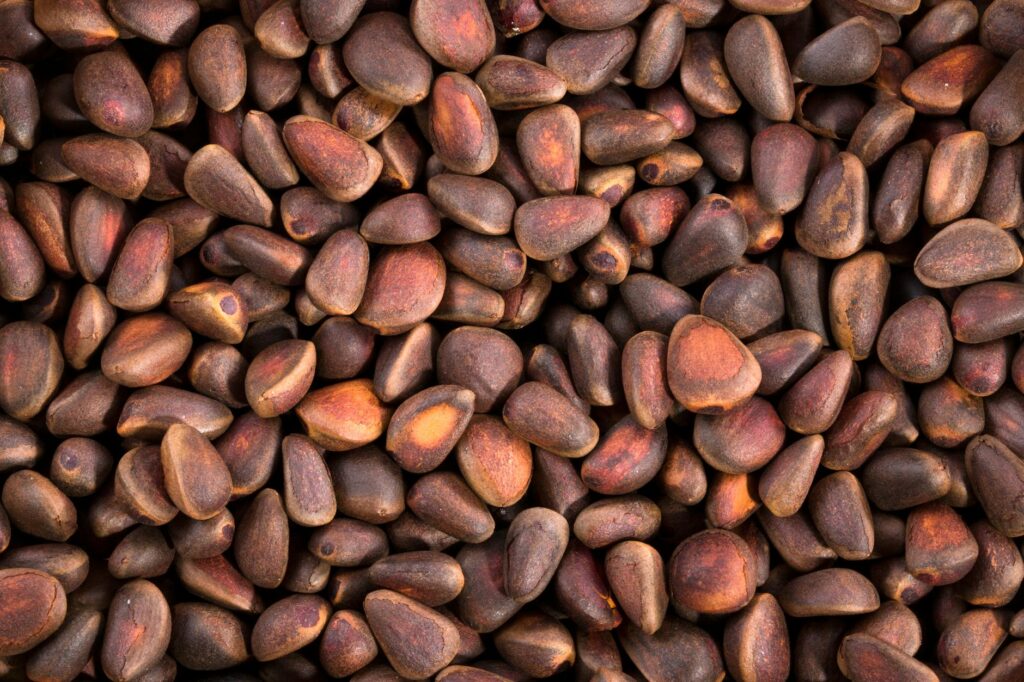
Pine Kernels and Pine Nuts: A Culinary Powerhouse
The Tiny Treasures from the Trees
Last updated: April 26, 2026
This guide covers everything about pine kernels and pine nuts as of April 2026. Imagine a delicate, buttery crunch that elevates everything from a simple salad to a complex pesto. That’s the magic of pine kernels, more commonly known in many parts of the world as pine nuts. These small, edible seeds, harvested from the cones of various pine tree species, are culinary gems with a history as rich as their flavor. For centuries, cultures across the Mediterranean, Middle East, and Asia have prized them not just for their taste but also for their impressive nutritional profile. Yet, for many, their use remains confined to a jar of pesto, a missed opportunity for these versatile seeds.
Latest Update (April 2026)
The global pine nut market is currently experiencing notable shifts as of April 2026. Recent reports from April 2026 indicate a projected drop in pine nut production by up to 35% for the current harvest cycle, with harvests being delayed. However, the outlook for 2028 suggests a significant recovery, with expectations of a much larger crop. This volatility impacts availability and pricing for consumers worldwide. Also, a concerning trend of ‘pine mouth,’ a condition where consuming pine nuts temporarily alters taste perception, has been highlighted by health and consumer news outlets, prompting increased consumer awareness and discussion around potential causes and remedies.
As noted by CPG Click Petróleo e Gás on April 18, 2026, “Pine nut production is expected to drop by up to 35% and the harvest is delayed, but 2028 appears as a major turning point with a chance of a much larger crop.” This unpredictability highlights the importance of factors influencing pine nut supply chains.
and, the processing of pine nuts is gaining attention, with resources like openPR.com detailing the step-by-step processes and cost breakdowns for setting up pine nut oil processing plants as of April 2026. This suggests a growing interest in diversifying the uses and value derived from pine nuts, potentially creating new market opportunities beyond direct consumption.
Are Pine Kernels and Pine Nuts the Same Thing?
Yes, in culinary contexts, “pine kernels” and “pine nuts” refer to the same edible seeds harvested from pine cones. The terminology often varies by region, with “pine nuts” being more common in English-speaking countries like the United States and the United Kingdom, while “pine kernels” might be used in other locales. Regardless of the name, they are the delicious, nutrient-dense seeds that add a unique flavor and texture to a wide array of dishes.
What Makes Pine Kernels and Pine Nuts So Special?
The appeal of pine kernels and pine nuts lies in their unique combination of desirable qualities. They offer a distinct, subtly sweet, and buttery flavor profile that’s hard to replicate. Their texture is soft yet satisfyingly chewy, making them a delightful addition to both cooked and raw dishes. Beyond their sensory attributes, these tiny seeds pack a significant nutritional punch, contributing healthy fats, protein, vitamins, and minerals to your diet.
Their appeal is complex, catering to both the palate and the pursuit of a healthy lifestyle. They are a cornerstone ingredient in many traditional cuisines, yet they also fit smoothly into modern dietary trends like the Mediterranean diet — which is lauded for its health benefits. According to the Oldways Whole Grains Council, the Mediterranean diet emphasizes plant-based foods, healthy fats, and moderate portions, with nuts and seeds playing a vital role. This dietary pattern is consistently associated with numerous health advantages, including improved cardiovascular health and longevity, as supported by extensive research updated through 2026.
A World of Pine Nut Varieties: More Than Just One Seed
While we often refer to “pine nuts” generically, the reality is that numerous species of pine trees produce edible seeds. The most commonly consumed varieties globally include:
- Pignoli: These are the pine nuts from the Stone Pine tree (Pinus pinea), native to the Mediterranean region. They are plump, elongated, and have a distinctively sweet flavor. These are perhaps the most recognized pine nuts in Western cuisine, especially for pesto.
- Chilgoza: Harvested from the Chilgoza pine (Pinus gerardiana), found in the mountainous regions of Afghanistan, Pakistan, and India. These nuts are smaller and more elongated than pignoli, with a rich, resinous flavor.
- Korean Pine Nut: From the Korean Pine tree (Pinus koraiensis), these nuts are larger and rounder than pignoli, with a milder, creamier taste. They are a staple in East Asian cuisines.
- Pinyon Pine Nuts: These come from various species of Pinyon pines (genus Pinus, section Pinyon) native to the Southwestern United States and Mexico. They are often smaller and have a more strong, earthy flavor.
The origin and species influence the taste, size, and even the cost of pine nuts. For instance, the harvesting of pine nuts can be labor-intensive. According to the National Park Service, collecting pine nuts can involve gathering cones, drying them to release the seeds, and then extracting the kernels, a process that requires considerable effort and traditional knowledge. As of April 2026, the demand for sustainably sourced pine nuts is increasing, with consumers showing more interest in the origin and ethical harvesting practices.
Harvesting Challenges and Market Fluctuations
The availability and price of pine nuts can be surprisingly volatile as of April 2026, often due to natural cycles and environmental factors. Pine trees don’t produce a consistent crop every year. They often have bumper crops followed by leaner years. This natural variability, coupled with factors like climate change, pests, and the sheer labor involved in harvesting, can lead to significant price swings.
As previously mentioned, CPG Click Petróleo e Gás reported in April 2026 that “Pine nut production is expected to drop by up to 35% and the harvest is delayed, but 2028 appears as a major turning point with a chance of a much larger crop.” This market volatility underscores the importance of understanding the supply chain dynamics for these prized nuts.
Recent culinary trends also influence demand. For example, as reported by AOL.com on April 24, 2026, blackberries and pine nuts are being combined to create flavorful twists on dishes like cheesecake, indicating a growing interest in novel flavor pairings. Similarly, ABC News highlighted on April 24, 2026, the inclusion of pine nuts in “Italianish” recipes, such as tomato and onion puff pastry tarts, showcasing their versatility in contemporary cooking.
and, as MSN reported on April 25, 2026, pine nuts can contribute to sauces that add rich, creamy depth to dishes without requiring extra effort, demonstrating their functional role in modern gastronomy. AOL.com also featured on April 24, 2026, a recipe for crostini with basil cream spread, which often includes pine nuts, further illustrating their presence in accessible, home-style cooking.
Nutritional Profile: A Tiny Seed Packed with Goodness
Pine kernels and pine nuts are not just flavorful; they are also nutritional powerhouses. Their high content of healthy fats, particularly monounsaturated and polyunsaturated fats, makes them beneficial for heart health. They also provide a good source of protein, dietary fiber, and essential micronutrients.
A 1-ounce serving (about 28 grams) of pine nuts, as of April 2026 nutritional data, typically contains:
- Calories: Approximately 190
- Protein: Around 4 grams
- Fat: About 19 grams (with a high proportion of unsaturated fats)
- Fiber: Approximately 1 gram
- Vitamins: Notable amounts of Vitamin K, Vitamin E, and several B vitamins (like thiamin and folate)
- Minerals: Rich in magnesium, phosphorus, manganese, zinc, and iron
The unique fatty acid profile, including pinolenic acid, found in pine nuts, is also being studied for its potential health benefits, such as appetite suppression, though more research is ongoing as of 2026.
Health Benefits of Pine Nuts
Incorporating pine nuts into your diet can offer several health advantages. Their high magnesium content, for instance, supports bone health and nerve function. The antioxidants, like Vitamin E, help combat oxidative stress in the body.
Studies updated through 2026 continue to link nut consumption, including pine nuts, to improved cardiovascular health markers. The combination of healthy fats, fiber, and plant sterols can contribute to lowering LDL cholesterol levels and improving overall cholesterol profiles. The protein content also aids in satiety, which can be beneficial for weight management.
However, it’s important to be aware of potential side effects. As noted in recent health reports, “pine mouth” can occur after consuming pine nuts, leading to a metallic or bitter taste that can last for hours or even days. While the exact cause is not fully understood, it’s believed to be related to specific compounds in certain pine nut species. Most reported cases resolve on their own without intervention, but consumer awareness is heightened.
Culinary Uses: Beyond Pesto
While pesto is perhaps the most famous application for pine nuts, their culinary versatility extends far beyond this Italian classic. Their delicate flavor and satisfying texture make them an excellent addition to a vast range of dishes.
Salads: A sprinkle of toasted pine nuts adds crunch and a nutty depth to green salads, grain bowls, and pasta salads.
Main Courses: They can be incorporated into stuffings for poultry or vegetables, sprinkled over roasted meats or fish, or used in grain pilafs and risottos.
Baked Goods: Pine nuts pair beautifully with fruits and cheeses in tarts, cakes, and cookies. They can also be a delicious topping for breads and muffins.
Snacks: Roasted and lightly salted, pine nuts make a sophisticated and healthy snack on their own.
Sauces and Dips: Beyond pesto, they can be blended into creamy sauces, dips, and spreads for added richness and flavor.
As reported by Yahoo News Malaysia on April 22, 2026, Korean fusion cuisine is embracing subtle yet fun creations, and ingredients like pine nuts, with their adaptable flavor profile, are likely key components in such innovative dishes.
How to Toast Pine Nuts for Maximum Flavor
Toasting pine nuts significantly enhances their flavor and aroma, bringing out their natural sweetness and nuttiness. It’s a simple process that yields a remarkable difference in the final dish.
- Use a Dry Pan: Place the pine nuts in a small, dry skillet over medium-low heat. Avoid using any oil, as the nuts’ natural oils will toast them sufficiently.
- Stir Frequently: Keep the pine nuts moving constantly. Shake the pan or stir with a spatula to ensure even toasting and prevent burning. Pine nuts are small and can go from golden to burnt very quickly.
- Watch for Color Change: The nuts will begin to turn golden brown and emit a fragrant aroma within 3-5 minutes.
- Remove Promptly: As soon as they reach a light golden-brown color, immediately remove them from the pan and transfer them to a plate or bowl to stop the cooking process.
Toasted pine nuts are best used immediately for optimal flavor, but they can be stored in an airtight container at room temperature for a day or two if needed, though their crunch may diminish.
Selecting and Storing Pine Nuts
When purchasing pine nuts, look for plump, uniformly colored kernels. They should smell fresh and nutty, not stale or rancid. Because of their high oil content, pine nuts can go rancid quickly, especially when shelled.
Buying: Opt for shelled pine nuts if you plan to use them soon. If buying in bulk, inspect them carefully for freshness. Consider purchasing from reputable sources that ensure proper storage and handling.
Storing Shelled Pine Nuts: Store shelled pine nuts in an airtight container in the refrigerator for up to 3 months, or in the freezer for up to 6 months. For the best flavor, wrap them tightly in plastic wrap or place them in a vacuum-sealed bag before freezing.
Storing Un-shelled Pine Nuts: Un-shelled pine nuts have a longer shelf life and can be stored in a cool, dark, dry place for several months, or even up to a year if kept in optimal conditions. However, refrigeration or freezing is still recommended for extended freshness.
The Economics of Pine Nuts: Price and Availability Factors
The price of pine nuts can vary significantly, reflecting the challenges associated with their harvest and the global market dynamics. As of April 2026, consumers might notice higher prices due to the reported production drop. Factors influencing cost include:
- Harvest Yields: As discussed, natural cycles and environmental conditions heavily impact the amount of pine nuts harvested each year.
- Labor Intensity: Harvesting pine cones and extracting the tiny kernels is a labor-intensive process, often requiring manual labor, which drives up costs.
- Species and Origin: Different pine nut varieties have different growing regions, harvest difficulties, and market demand, affecting their price. For example, pignoli from the Mediterranean region may command a different price than Chilgoza nuts from South Asia.
- Supply Chain and Trade: Geopolitical factors, transportation costs, and global trade policies also play a role in the final price consumers pay.
- Processing Innovations: As highlighted by openPR.com’s coverage of pine nut oil processing, new processing methods could potentially influence the market by creating new product streams or improving efficiency, though the long-term impact on consumer prices remains to be seen.
The volatility reported by CPG Click Petróleo e Gás in April 2026 is a key consideration for both consumers and businesses relying on pine nuts.
Pine Mouth: Understanding the Phenomenon
The condition known as “pine mouth” has gained more attention in recent years, prompting discussions among consumers and health professionals. This temporary condition causes a metallic or bitter taste in the mouth, typically appearing 12 to 48 hours after consuming pine nuts. It can last for days or even weeks in some cases.
While the exact cause is still under investigation as of April 2026, experts believe it might be linked to specific fatty acids or compounds present in certain species of pine nuts, particularly those from China. Importantly, pine mouth is not an allergic reaction and doesn’t appear to cause long-term harm. Most cases resolve on their own. However, reports of this phenomenon have led some consumers to become wary of pine nuts, potentially impacting demand.
Consumer advocacy groups and food safety organizations continue to monitor the situation and provide guidance. While a definitive preventative measure or cure is not yet established, awareness and reporting of symptoms are encouraged.
Frequently Asked Questions
Are all pine nuts safe to eat?
Most pine nuts are safe to eat, but a small percentage of consumers may experience “pine mouth,” a temporary condition causing a bitter taste. This is not an allergic reaction and typically resolves on its own. It’s most commonly associated with pine nuts from certain regions. Always purchase from reputable sources.
How can I tell if pine nuts have gone bad?
Bad pine nuts will often have a rancid odor, a bitter or off taste, and may appear discolored or shriveled. Due to their high oil content, they are prone to rancidity. Proper storage in a cool, dark place, or refrigerated/frozen, is essential. If in doubt, discard them.
Can pine nuts be a part of a vegan diet?
Absolutely. Pine nuts are a plant-based food and are an excellent source of protein, healthy fats, and minerals for vegans. They can be used in a wide variety of vegan dishes, from pesto to baked goods.
What is the difference between pine kernels and pine nuts?
In culinary terms, there’s no difference. “Pine kernels” and “pine nuts” refer to the same edible seeds from pine cones. The term used often depends on regional preference.
How much should I eat per day?
A typical serving size for pine nuts is about 1 ounce (28 grams), which is roughly 2-3 tablespoons. Consuming nuts in moderation as part of a balanced diet is generally recommended for their health benefits. As with any food, individual dietary needs may vary.
Conclusion
Pine kernels and pine nuts remain a culinary powerhouse in 2026, offering a unique flavor, satisfying texture, and impressive nutritional benefits. Despite market fluctuations and the emergence of consumer awareness regarding “pine mouth,” these tiny seeds continue to enrich countless dishes worldwide. From their diverse origins and varieties to their extensive culinary applications, pine nuts are a testament to nature’s small but mighty offerings. By understanding their characteristics, proper storage, and preparation methods like toasting, home cooks and chefs alike can continue to unlock the full potential of these prized edible seeds. As the market adapts and new processing methods are explored, the future of pine nuts looks dynamic, promising continued enjoyment for all who appreciate their distinctive charm.
Source: FDA
Related Articles
- Magellan Global Equities: A UK Investor's Deep Dive
- BID Medical Abbreviation: 8 Experts Explain Definition in 2026
- Green Shipping for Small Business: Cut Costs & Carbon in 2026
Editorial Note: This article was researched and written by the Serlig editorial team. We fact-check our content and update it regularly. For questions or corrections, contact us.


