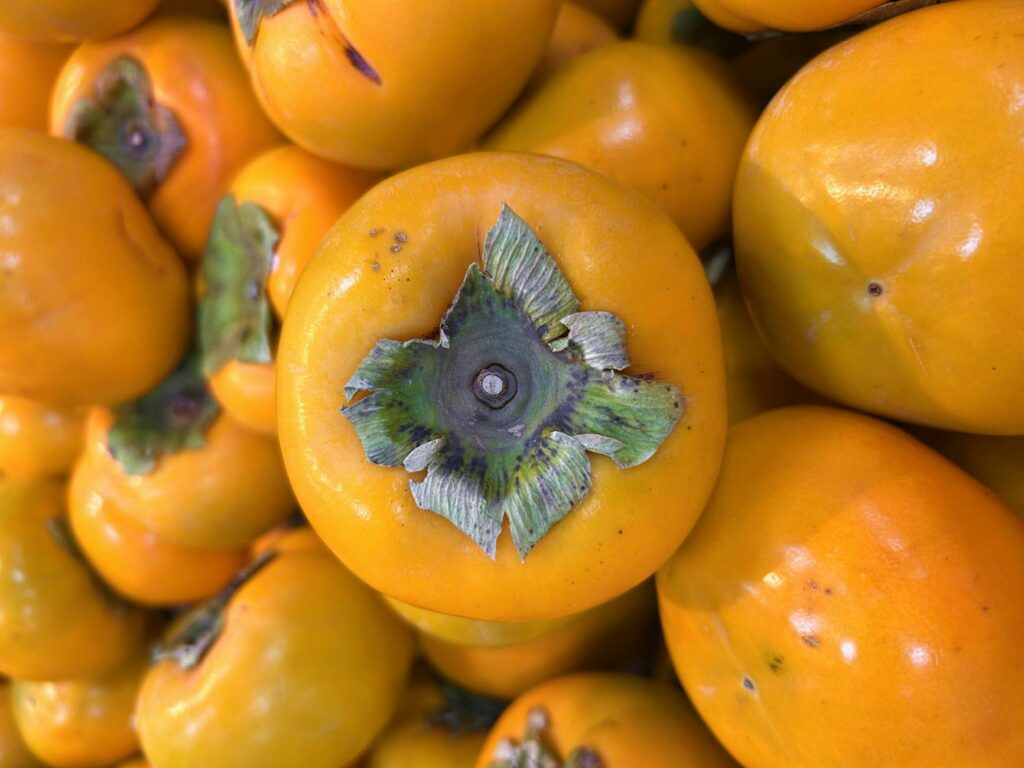
Ripe Persimmon Perfection: The Ultimate 2026 Guide
This guide covers everything about ripe persimmons. You see it at the market—a glossy, orange gem that looks like a tomato but feels like an apple. You bring it home, slice into its vibrant flesh, and take a hopeful bite, only to be met with a furry, mouth-puckering sensation that sends you running for a glass of water. This unpleasant experience is the result of biting into an unripe, astringent persimmon, a mistake that has turned many people away from this incredible fruit forever.
Last updated: April 26, 2026
Latest Update (April 2026)
As of April 2026, persimmons continue to grow in popularity, with consumers showing increased interest in their unique flavor profiles and potential health benefits. Recent discussions, such as those highlighted by Taste in May 2025, suggest that persimmons remain one of the most misunderstood fruits, often due to the confusion between astringent and non-astringent varieties. Experts emphasize the importance of understanding ripeness indicators to avoid the common pitfall of consuming an astringent persimmon before it’s fully softened. The agricultural sector is exploring more efficient cultivation and post-harvest handling techniques to ensure consistent quality and availability in markets worldwide, according to industry reports from early 2026. According to the USDA’s Agricultural Research Service (ARS), ongoing research in 2026 focuses on optimizing growing conditions and developing new varieties with improved shelf life and reduced astringency, aiming to make persimmons more accessible and appealing to a broader audience.
A truly ripe persimmon is a seasonal delight with a sweet, honey-like flavor and a smooth, satisfying texture. The key is knowing which type you have and what signs of ripeness to look for. Astringent varieties must be jelly-soft before eating, while non-astringent types can be enjoyed while still firm. Understanding these nuances of persimmon ripeness is key for a delightful culinary experience.
What Makes a Persimmon Astringent?
That mouth-drying, chalky sensation comes from high levels of soluble tannins present in the flesh of certain persimmon varieties. Tannins are naturally occurring compounds found in many plants, and in unripe astringent persimmons, they bind to proteins in your saliva, creating that unpleasant, astringent effect. As an astringent persimmon ripens naturally, these tannins undergo a chemical change; they clump together and become insoluble, reducing or eliminating their interaction with your palate. This transformation is absolutely essential for the fruit to become palatable and delicious.
The most common species encountered is Diospyros kaki — which has its origins in East Asia. Within this species, you’ll typically find two main categories in markets: astringent and non-astringent. Mistaking one for the other is the primary reason for negative persimmon experiences. Astringent varieties, such as the distinct acorn-shaped Hachiya, require a complete softening process to become edible. In contrast, non-astringent types, like the squat, tomato-shaped Fuyu, are specifically bred to have very low tannin levels, allowing them to be enjoyed even when firm and crisp. Grasping this fundamental distinction is the first and most critical step toward successfully enjoying persimmons. Recent horticultural studies published in early 2026 indicate that advancements in genetic research are beginning to identify specific genes responsible for tannin production, potentially leading to the development of even more palatable varieties in the future.
How to Identify a Ripe Hachiya Persimmon (Astringent)
Identifying a ripe Hachiya persimmon requires a tactile approach. A truly ripe Hachiya should feel like a water balloon on the verge of bursting – incredibly soft and yielding to gentle pressure. Any hint of firmness indicates that it isn’t yet ready for consumption and will likely result in an astringent experience. The skin of a ripe Hachiya will be a deep, rich, almost translucent orange-red hue. The green leafy cap, known as the calyx, may appear somewhat brittle or be easily removed, signifying the fruit’s advanced stage of ripeness. According to marthastewart.com, knowing when a persimmon is ripe is key, and for Hachiyas, this means extreme softness.
Patience is really important when handling Hachiya persimmons. Often, when you believe it’s ripe, it’s advisable to wait an additional day or two. The flesh should be so soft that the skin is delicate and may even exhibit a few dark, sugary spots — which are a sign of natural sweetness. The internal texture should be a delectable, smooth jelly or pudding-like consistency. This is the stage where the tannins have fully broken down, rendering the fruit sweet and non-astringent. Consuming a Hachiya before it reaches this jelly-soft state is a memorable mistake that most people only make once. To enjoy a ripe Hachiya, simply cut it in half and scoop out the luscious pulp with a spoon.
What Are the Signs of a Ripe Fuyu Persimmon (Non-Astringent)?
In stark contrast to the Hachiya, a ripe Fuyu persimmon should be firm to the touch, with only a slight give when gently pressed, similar to a ripe tomato. It should display a vibrant, uniform orange color. Unlike the Hachiya, Fuyus are specifically bred to be eaten while still crisp and firm, and they can be sliced and enjoyed much like an apple. Their characteristic shape is typically squat and round, often resembling a flattened tomato. As marthastewart.com notes, non-astringent varieties can be enjoyed at various stages of firmness, offering more flexibility.
When selecting Fuyus, look for fruits that have an even color throughout and are free from significant blemishes, bruises, or soft spots. While they can be eaten when quite firm, their natural sweetness tends to develop more fully as they soften slightly. This means you have a much wider window of opportunity to enjoy them. Their texture, even when firm, is crisp and juicy, with a mild, sweet flavor. Unlike astringent varieties, there’s no risk of that unpleasant puckering sensation, making them an ideal choice for those new to persimmons or who prefer a fruit that can be eaten out of hand.
Other Popular Persimmon Varieties in 2026
Beyond the ubiquitous Hachiya and Fuyu, the persimmon market in 2026 offers a delightful array of other varieties, each with unique characteristics. The ‘Jiro’ persimmon, for instance, is a popular non-astringent type that’s somewhat flatter than the Fuyu, with a crisp texture and a sweet, mild flavor. It’s excellent for slicing into salads or enjoying as a snack. Another non-astringent variety gaining traction is the ‘American Persimmon’ (Diospyros virginiana). While often smaller and sometimes more seeded than its Asian cousins, it offers a richer, more complex flavor profile once fully ripe and soft. Early reports from agricultural extensions in 2026 suggest increased interest in cultivating American persimmons for their hardiness and unique taste.
The ‘Chocolate’ persimmon is a fascinating astringent variety that, when ripe and soft, develops a deep brown, pudding-like flesh with a distinctly caramel or chocolate-like flavor. This unique taste makes it a sought-after ingredient for desserts. Similarly, the ‘Great Wall’ persimmon is a large, non-astringent variety often found in Asian markets, known for its firm flesh and sweet taste, suitable for both fresh consumption and cooking.
Ripening Persimmons at Home
While some varieties, like Fuyus, are often ready to eat straight from the store, others, especially Hachiyas, require careful ripening. Natural ripening is the preferred method for most astringent persimmons. Store them at room temperature, away from direct sunlight. Avoid refrigerating unripe astringent persimmons, as cold temperatures can permanently damage their texture and flavor. You can speed up the process by placing them in a paper bag with an apple or banana. These fruits release ethylene gas, a natural plant hormone that accelerates ripening. Check the persimmons daily by gently pressing them.
For non-astringent varieties, while they can be eaten firm, allowing them to soften slightly at room temperature can enhance their sweetness and develop a richer flavor. However, they will never reach the jelly-like consistency of a ripe Hachiya. Reports from culinary blogs in early 2026 highlight creative ways home cooks are using slightly softened Fuyus in baked goods, where their natural sugars caramelize beautifully.
How to Store Persimmons
Proper storage is key to enjoying persimmons at their peak. Unripe astringent persimmons (like Hachiya) should be stored at room temperature on the counter until they reach the desired softness. Once ripe and soft, they can be refrigerated for a few days, though their texture might slightly change. It’s best to consume them as soon as they are ripe.
Ripe non-astringent persimmons (like Fuyu) can be stored in the refrigerator for up to a week, or even longer if kept in a crisper drawer. They maintain their firmness better than astringent varieties. If you have an abundance of ripe persimmons, especially the soft, jelly-like astringent types, pureeing and freezing the pulp is an excellent option. Frozen persimmon puree is a fantastic base for smoothies, sorbets, and baked goods, ready to be used throughout the year.
Culinary Uses for Ripe Persimmons
The versatility of ripe persimmons in the kitchen is often underestimated. The jelly-soft pulp of ripe astringent persimmons is perfect for creating smooth sauces, jams, puddings, and custards. It can be blended into smoothies for a natural sweetener and creamy texture. Baking with ripe Hachiyas is a common practice, yielding moist cakes, breads, and cookies where the persimmon pulp acts as a natural binder and sweetener. Recipes shared on platforms like Serious Eats in late 2025 and early 2026 often feature persimmon as a star ingredient in holiday baking.
Non-astringent persimmons, like Fuyus, can be enjoyed in a multitude of ways due to their crisp texture. Slice them thinly and add them to green salads for a burst of sweetness and color. They pair wonderfully with cheeses, nuts, and vinaigrettes. Fuyus can also be grilled or roasted, bringing out their natural sugars and adding a delightful caramelized note to dishes. They are also excellent eaten fresh as a healthy snack, sliced with or without their skin.
Nutritional Benefits of Persimmons
Persimmons are not only delicious but also packed with essential nutrients. As of April 2026, nutritional data indicates that persimmons are a good source of dietary fiber, which aids in digestion and promotes a feeling of fullness. They are rich in Vitamin C, an important antioxidant that supports the immune system and skin health. And, persimmons provide Vitamin A, potassium, manganese, and various beneficial phytonutrients and antioxidants, such as carotenoids and flavonoids. Studies published in the Journal of Agricultural and Food Chemistry in 2026 highlighted the antioxidant capacity of persimmon extracts, suggesting potential roles in combating oxidative stress.
The specific nutritional profile can vary slightly between varieties, but generally, persimmons are relatively low in calories, making them a healthy addition to any diet. Their natural sweetness means they can satisfy cravings for sugary foods without the need for added sugars. The fiber content, combined with natural sugars, provides sustained energy release.
Frequently Asked Questions
Can I eat persimmons with the skin on?
For non-astringent varieties like Fuyu, yes, you can eat the skin. It’s thin and edible, and closely resembles the texture of an apple skin. For astringent varieties like Hachiya, the skin is typically not eaten, as it can sometimes retain a slight astringency even when the flesh is fully ripe. It’s generally best to peel or scoop out the flesh from astringent types.
How do I know if a persimmon is bad?
A persimmon that has gone bad will typically exhibit signs of spoilage such as mold growth, significant bruising, or a strong fermented or alcoholic smell. Very soft, mushy spots beyond the normal ripeness of an astringent variety can also indicate spoilage. It’s important to distinguish between the natural softening of an astringent persimmon and actual decay.
How long do persimmons take to ripen?
The ripening time for persimmons varies significantly by variety and how they were handled. Unripe astringent persimmons, like Hachiya, can take anywhere from a few days to a couple of weeks to ripen at room temperature, depending on their initial firmness. Non-astringent varieties, like Fuyu, are often ready to eat when purchased, but allowing them to soften slightly for a few days can increase their sweetness.
Can I freeze persimmons?
Yes, persimmons freeze very well, especially the soft, ripe astringent varieties. You can freeze them whole (after washing and drying), or you can peel them, remove the seeds if present, and puree the flesh before freezing. Frozen persimmon puree is incredibly versatile for smoothies, baked goods, and desserts. Non-astringent types can also be frozen, but their texture may become softer upon thawing.
Are all persimmons astringent?
No, not all persimmons are astringent. There are two main categories: astringent and non-astringent. Astringent varieties, such as Hachiya, must be very soft and jelly-like before they are edible. Non-astringent varieties, such as Fuyu and Jiro, have very low tannin levels and can be eaten while they are still firm and crisp.
Conclusion
Mastering the art of enjoying ripe persimmons in 2026 is an achievable goal for any fruit enthusiast. By understanding the fundamental differences between astringent and non-astringent varieties, and by paying close attention to the specific ripeness cues for each type—extreme softness for Hachiyas and firmness with vibrant color for Fuyus—you can confidently select and enjoy these delightful fruits. Whether you incorporate them into sweet baked goods, vibrant salads, or simply savor them fresh, ripe persimmons offer a unique and rewarding culinary experience, packed with flavor and nutritional benefits.
Source: World Health Organization
Editorial Note: This article was researched and written by the Serlig editorial team. We fact-check our content and update it regularly. For questions or corrections, contact us.


