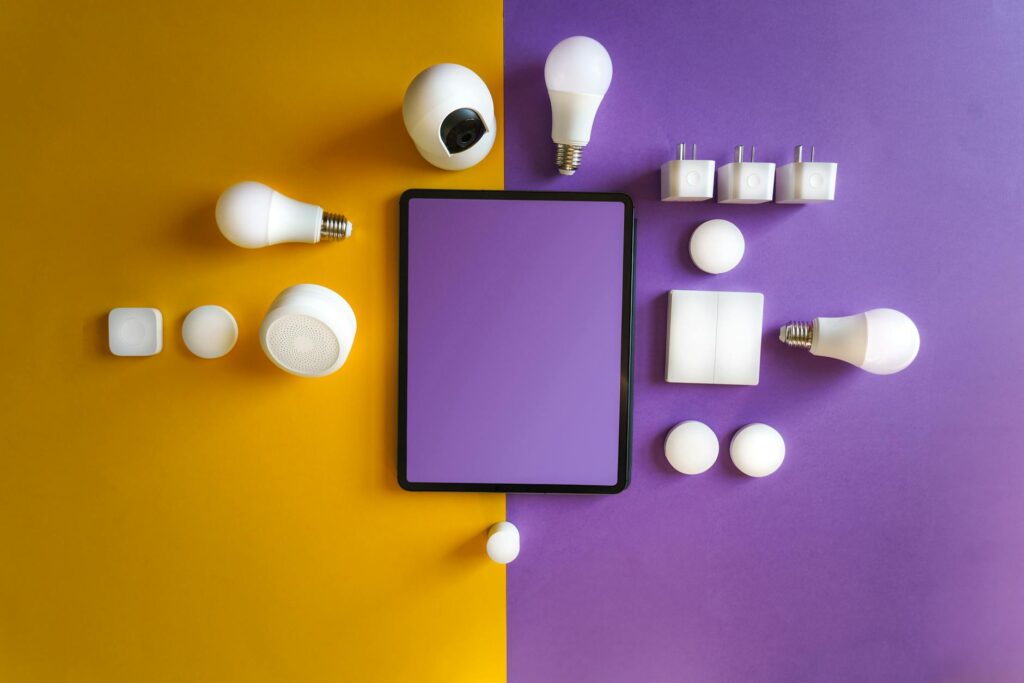
Smart Home Tech Reviews: Your 2026 Guide
Last updated: April 26, 2026
The smart home landscape has undergone a significant transformation over the past decade and a half. What began as a collection of novel gadgets has evolved into an integral part of modern living. The very definition of ‘smart’ in this context has expanded dramatically. This guide aims to provide clarity and confidence in selecting the best devices for your connected home, drawing on recent expert analyses and hands-on evaluations.
The smart home market is no longer a niche segment. It’s a fundamental component of daily life for many. However, this substantial growth has resulted in an overwhelming array of choices, making the selection process challenging. Investing in technology that’s incompatible with your existing ecosystem, proves difficult to operate, or fails to deliver on its promises can be a frustrating experience. This guide is designed to cut through the complexity, offering practical advice and insights from the latest expert reviews.
Latest Update (April 2026)
As of April 2026, the smart home technology sector continues to prioritize interoperability, AI-driven personalization, and enhanced security features. Recent industry reports indicate a strong trend of users maintaining their smart home devices for extended periods, suggesting long-term satisfaction with carefully chosen technology. CNET, in a report on April 1, 2026, titled “9 Smart Devices I’m Still Using in My Home Even After Reviews Are Done,” highlighted that reliability and practical utility are really important for sustained user engagement with smart home technology. Similarly, PCMag’s March 30, 2026, review, “The Best Smart Home Devices We’ve Tested for 2026,” emphasized that devices offering clear, tangible benefits—whether through convenience, enhanced safety, or energy savings—are the ones that truly resonate with consumers. The Verge, on March 25, 2026, echoed the ongoing need for complete reviews that cover the breadth of smart home news, device evaluations, and emerging gadgets to keep consumers informed.
And — a notable development in smart home technology is its increasing role in supporting ‘aging in place.’ The New York Times reported on February 20, 2026 — that specific smart devices can ease the challenges faced by older adults seeking to maintain independence. Features such as intelligent sensors that detect falls or unusual activity, automated lighting systems, and voice-controlled interfaces contribute to a safer and more accessible home environment, as detailed in their article “Plan to Age in Place? These Tech Devices Can Make it Way Easier.” This trend highlights the technology’s growing capacity to improve quality of life across different demographics.
TechRadar’s “The best smart home devices 2026: smart speakers, lights, hubs, and more,” published on March 20, 2026, provides a broad overview of the current market, reinforcing the importance of considering a device’s integration capabilities and core functionality. The collective insights from these publications indicate a maturing market where practical application and ecosystem harmony are key drivers of consumer adoption and satisfaction.
Recent reviews from leading tech publications highlight significant advancements and user priorities. PCMag’s “Vivint HomeProtect Pro Review: The Best Pro-Level Smart Home Security System,” published on April 21, 2026, underscores the demand for complete, professionally monitored security solutions that integrate advanced smart home features. This suggests a growing segment of users seeking solid, all-in-one security packages. Meanwhile, CNET’s “Best Smart Lights for 2026: Expert-Tested to Find the Best,” released on April 20, 2026, points to continued innovation in smart lighting, with a focus on ease of use, color accuracy, and energy efficiency. Wirecutter, as reported by The New York Times on April 23, 2026, identified the “3 Best Smart Water-Leak Detectors of 2026,” emphasizing the increasing importance of home maintenance and damage prevention technologies within the smart home ecosystem.
The Verge, in its April 22, 2026, roundup of “All the smart home news, reviews, and gadgets you need to know about,” noted the ongoing evolution of portable smart audio. Mark Ellis Reviews’ assessment of the Sonos Play, published April 20, 2026, as “The Portable Sonos I’ve Been Waiting For,” indicates a strong consumer interest in versatile audio devices that combine smart functionality with mobility and high-quality sound. These developments collectively paint a picture of a dynamic market focused on practical applications, enhanced security, and user-centric design.
Understanding Your Smart Home Needs
Before exploring specific product reviews, it’s essential to define your objectives for a smart home. Are you primarily seeking convenience, such as automated lighting or climate control? Is enhanced security your main concern, perhaps involving smart cameras or locks? Or are you focused on energy efficiency through smart thermostats and lighting? Identifying your core priorities will guide your device selection. For instance, a focus on security would lead you to prioritize solid camera systems and reliable smart locks, according to PCMag’s recent evaluations, while energy savings would place smart thermostats and lighting at the forefront.
Consider your living situation as well. If you’re renting, your options for installing permanent fixtures like smart locks or hardwired lighting may be limited compared to homeowners. Your budget is another critical factor. Smart home technology ranges from affordable smart plugs, often available for under $20 as of April 2026, to complete integrated systems costing thousands of dollars. Finally, assess your comfort level with technology. Some systems are designed for simple plug-and-play setup, while others may require more technical expertise for installation and ongoing management.
Core Smart Home Categories: What to Look For
Based on current expert reviews and market analysis, smart home technology can be broadly categorized. Each category has specific features and considerations:
Smart Speakers and Voice Assistants
These devices often serve as the central control hub for a smart home ecosystem. Major players like Amazon (Echo devices with Alexa) and Google (Nest devices with Google Assistant) continue to dominate. Apple’s HomePod remains a strong option for users invested in the Apple ecosystem. Key evaluation criteria for these devices include:
- Voice Recognition Accuracy: The ability to understand commands accurately, even in noisy environments.
- Sound Quality: For music playback, the audio fidelity is a significant factor.
- Ecosystem Compatibility: How well the device integrates with a multitude of other smart devices and platforms.
- Privacy Features: Clear and accessible options for microphone control and data management are increasingly important, as highlighted by numerous tech reviews in 2026.
Smart Lighting and Ambiance
Smart lighting extends beyond simple on/off functionality, offering control over color, brightness, scheduling, and scene creation. While Philips Hue remains a popular choice, many other brands offer competitive solutions. As CNET’s latest reviews indicate, look for:
- Ease of Setup: Simple pairing processes and clear instructions.
- Color Rendering and Brightness: For tunable white and color bulbs, accurate color reproduction and sufficient lumen output are key.
- App Control and Integration: Intuitive mobile apps and compatibility with major voice assistants and smart home platforms.
- Energy Efficiency: LED technology is standard, but look for devices that support dimming and scheduling to further reduce consumption.
Smart Security Systems
This category encompasses a wide range of devices designed to protect your home and its occupants. PCMag’s recent reviews of systems like the Vivint HomeProtect Pro (April 2026) show a trend towards integrated professional monitoring and advanced features.
- Smart Cameras: Indoor and outdoor cameras with features like high-resolution video, night vision, motion detection, and two-way audio. Cloud storage options and local storage are important considerations.
- Smart Locks: Keyless entry options that offer remote locking/unlocking, access codes for guests, and activity logs. Battery life and physical security are paramount.
- Sensors: Door/window sensors, motion detectors, and environmental sensors (like the smart water-leak detectors highlighted by Wirecutter) provide critical alerts.
- Professional Monitoring: For complete security, consider systems offering 24/7 professional monitoring services.
Smart Thermostats and Climate Control
These devices learn your habits and adjust heating and cooling to optimize comfort and energy savings. Nest and Ecobee remain top contenders.
- Learning Capabilities: The ability to automatically create schedules based on user behavior.
- Remote Access: Control and monitoring via smartphone apps.
- Energy Reporting: Detailed insights into energy usage and savings.
- Compatibility: Ensure it works with your existing HVAC system.
Smart Appliances
While less common for new installations, many modern appliances now offer smart features. Refrigerators with internal cameras, ovens controllable via app, and smart washers/dryers are becoming more prevalent.
- App Control: Ability to preheat ovens, check refrigerator contents, or start/monitor laundry cycles remotely.
- Integration: Connectivity with voice assistants and other smart home devices.
- Notifications: Alerts for cycle completion, filter changes, or maintenance needs.
Smart Home Hubs and Controllers
While smart speakers often act as de facto hubs, dedicated hubs offer more advanced control and automation capabilities, especially for users with complex systems. They can bridge different wireless protocols (like Zigbee and Z-Wave) that individual devices might not support directly.
- Protocol Support: Ensure it supports the communication standards used by your devices.
- Automation Rules: Advanced options for creating complex routines and triggers.
- Reliability: A stable platform is essential for a well-functioning smart home.
Smart Entertainment
This includes smart TVs, streaming devices, and increasingly, portable smart speakers like the Sonos Play, reviewed positively in April 2026. The focus is on high-quality audio and video, smooth streaming, and integration with voice control.
- Streaming Services: Built-in support for major platforms like Netflix, Hulu, and Disney+.
- Connectivity: Wi-Fi and Bluetooth capabilities for easy streaming and device pairing.
- Audio/Video Quality: High resolution (4K, HDR) for TVs, and clear, room-filling sound for speakers.
Interoperability and Ecosystems
One of the biggest challenges in the smart home market has been ensuring devices from different manufacturers work together. While progress has been made, particularly with standards like Matter, choosing devices within a consistent ecosystem (Amazon Alexa, Google Home, Apple HomeKit) often simplifies setup and enhances reliability. Experts consistently advise checking compatibility before purchasing. The Verge’s ongoing coverage emphasizes the need for clarity on how different devices interact.
Security and Privacy in the Smart Home
As smart homes become more integrated into our lives, security and privacy concerns are paramount. Experts recommend:
- Strong, Unique Passwords: For all smart devices and your home Wi-Fi network.
- Regular Software Updates: To patch security vulnerabilities.
- Network Segmentation: Using a separate Wi-Fi network for smart devices if possible.
- Understanding Data Usage: Reviewing privacy policies for devices and services.
- Physical Security: For cameras and locks, ensuring they are tamper-resistant.
Voice assistants, while convenient, raise specific privacy questions. Manufacturers are increasingly offering more transparent controls over voice recordings and data usage, but users should remain informed. As of April 2026, clear privacy controls are a significant selling point for many smart home devices.
The Role of AI in Smart Homes
Artificial intelligence is increasingly powering smart home devices, enabling more personalized and predictive experiences. AI algorithms analyze user behavior to optimize energy consumption, anticipate needs (like adjusting lighting based on time of day and occupancy), and improve the responsiveness of voice assistants. This trend is expected to accelerate, making homes more intuitive and efficient.
Frequently Asked Questions
What is the most important factor when choosing smart home devices in 2026?
According to recent expert reviews, the most important factors are interoperability with your existing ecosystem, clear utility and benefits (convenience, security, energy savings), and solid security and privacy features. Reliability is also key for long-term satisfaction.
Are smart home devices secure in 2026?
Smart home device security has improved, but vulnerabilities still exist. Following best practices like strong passwords, regular updates, and secure network configurations significantly enhances security. Reputable brands often invest more in security measures.
Can I start building a smart home on a small budget?
Absolutely. You can begin with affordable devices like smart plugs (often under $20 as of April 2026) or smart bulbs. These devices offer immediate benefits and can be integrated into larger systems later.
What is Matter, and why is it important for smart homes?
Matter is a connectivity standard designed to improve interoperability between smart home devices from different manufacturers. Its adoption is growing in 2026, aiming to simplify the setup and use of devices across various platforms and ecosystems.
How do smart home devices help with aging in place?
Smart devices can significantly enhance safety and independence for older adults. Features like fall detection sensors, automated lighting, remote monitoring, voice-controlled assistants, and medication reminders contribute to a safer and more manageable home environment, as detailed in recent reports by outlets like The New York Times.
Conclusion
The smart home market in 2026 offers more sophisticated, integrated, and user-friendly options than ever before. By clearly defining your needs, prioritizing compatibility and security, and staying informed through expert reviews from sources like CNET, PCMag, and The Verge, you can confidently build a connected home that enhances your lifestyle, security, and efficiency. The ongoing advancements in AI and interoperability promise an even more intelligent and intuitive living experience in the years to come.
Source: Britannica
Editorial Note: This article was researched and written by the Serlig editorial team. We fact-check our content and update it regularly. For questions or corrections, contact us.


