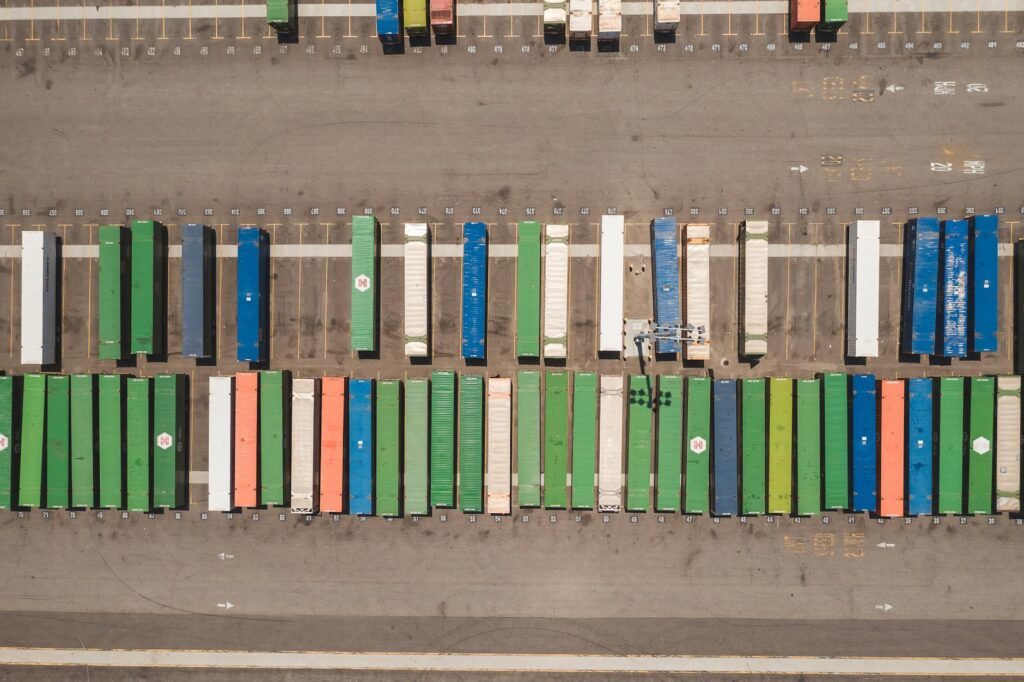
Carbon Neutral Shipping: Better Practices Now
Last updated: April 26, 2026
This guide covers everything about best carbon neutral shipping practices. Businesses are finally waking up to the fact that green logistics isn’t just good PR—it’s smart business in 2026. Ready to ditch the guilt and embrace efficiency? The world of shipping has shifted dramatically. Gone are the days when a vague promise to “offset” was enough. Today, consumers, investors, and regulators demand real action, and thankfully, the tools and strategies to achieve it are better than ever. Companies that have prioritized sustainability aren’t only reducing their environmental impact but also boosting customer loyalty and cutting costs. It’s not some far-off dream. It’s happening now.
The biggest change? A move from mere offsetting to genuine reduction. Major industry players like Maersk are investing billions in methanol-powered vessels, and Amazon continues to electrify its delivery fleet. This isn’t just about ticking boxes. It’s about rethinking how goods move from point A to point B with minimal planetary impact. So, what are the actual, practical best carbon neutral shipping practices you can implement today?
Latest Update (April 2026)
As of April 2026, the drive towards carbon-neutral shipping is intensifying, moving beyond aspirational goals to concrete actions. According to recent industry reports, the focus remains firmly on emission reduction strategies, with offsetting serving as a secondary measure for residual emissions. Companies are increasingly adopting technology to track and manage their carbon footprint across the entire supply chain. As reported by TriplePundit on August 20, 2025, UPS is actively ramping up its carbon-neutral shipment offsets, indicating a sustained commitment. Concurrently, innovations in logistics, such as those highlighted by Positive News in November 2025, are exploring ‘lo-fi’ solutions that can shrink shipping’s carbon footprint, demonstrating that even seemingly simple approaches can yield substantial environmental benefits. The integration of cloud services, like AWS for supply chain management, is also enabling enhanced carbon tracking and reduction initiatives, as seen in the partnership with Cargill, detailed by Supply Chain Digital Magazine in August 2025.
Recent developments show a continued industry push towards sustainability despite fluctuating global economic conditions. According to DC Velocity on April 20, 2026, motor carriers and 3PLs are persevering with sustainability programs even as some government mandates are scaled back or rescinded. This indicates a bottom-up commitment driven by market demand and operational efficiencies. And, as highlighted by Climate Home News on April 23, 2026, prospects for a global green shipping deal have been boosted by a US tariff ruling, suggesting that policy shifts, even those with indirect effects, can significantly influence the trajectory of green logistics initiatives.
What Exactly Are We Talking About with Carbon Neutral Shipping?
At its core, carbon neutral shipping means that the net amount of carbon dioxide (CO2) and equivalent greenhouse gases emitted into the atmosphere by your shipping activities is zero. This is achieved through a dual strategy: aggressively reducing emissions at every stage of the logistics process and then offsetting any remaining, unavoidable emissions. Think of it as a meticulously balanced equation. The primary goal is to minimize the ’emissions’ side of the scale as much as possible, and then meticulously neutralize whatever weight remains.
The critical distinction for 2026, emphasized by initiatives like the Science Based Targets initiative (SBTi), is the paramount importance of prioritizing reduction. SBTi encourages businesses to set ambitious emission reduction goals aligned with the latest climate science. Relying solely on purchasing carbon credits without a solid, demonstrable reduction plan is increasingly recognized as greenwashing. True carbon neutrality necessitates deep decarbonization across the entire supply chain, from sourcing raw materials to final-mile delivery.
How Can Businesses ACTUALLY Reduce Shipping Emissions?
Here’s where practical implementation makes a tangible difference. Focusing on emission reduction is paramount. Here are the most impactful areas for businesses to address:
Optimize Transportation Modes
Not all transportation methods are created equal in terms of environmental impact. Shipping by sea, for example, is significantly less carbon-intensive per ton-mile compared to air freight. If immediate speed isn’t a critical requirement, businesses should actively explore and prioritize rail or sea freight options. Even within road transport, transitioning from less efficient, older trucks to newer, more fuel-efficient models or fully electric vehicles (EVs) can yield substantial reductions. Companies like IKEA have been transparent about their efforts to shift freight from air to sea where feasible, demonstrating this strategy in practice.
As reported by gCaptain on April 24, 2026, the reconstruction efforts in the Middle East are posing a significant carbon shock, with shipping bearing a substantial climate bill. This underscores the global impact of logistics and the urgent need for greener shipping solutions across all regions and industries. Choosing the right mode of transport is the first line of defense against high emissions. For instance, a full container ship emits significantly less CO2 per ton of cargo than a cargo plane, making ocean freight the preferred choice for non-time-sensitive goods.
Embrace Electric and Alternative Fuel Vehicles
The electrification of delivery fleets is accelerating rapidly. Major logistics providers such as UPS and FedEx are actively piloting and expanding their use of electric delivery vehicles (EDVs). Beyond battery-electric technology, businesses should also consider vehicles powered by hydrogen fuel cells or sustainable biofuels. Implementing these technologies directly addresses Scope 1 emissions generated by owned or leased vehicle fleets.
The transition to alternative fuels is also gaining momentum. Companies are exploring options like green methanol, ammonia, and advanced biofuels. While these technologies are still maturing, significant investments are being made by major shipping lines and engine manufacturers. According to industry analysis from early 2026, the availability and infrastructure for these fuels are expanding, making them increasingly viable alternatives for reducing carbon footprints in maritime transport.
Advanced Route Optimization
While seemingly basic, route optimization offers massive environmental and operational gains. Sophisticated route optimization software, often enhanced by artificial intelligence (AI) and machine learning, can cut down total mileage by identifying the most efficient paths. These systems also minimize vehicle idle time and reduce overall fuel consumption. Software solutions from providers like Descartes and ORTEC are known to deliver dramatic reductions in unnecessary travel and associated emissions.
AI-powered route planning considers real-time traffic, weather conditions, delivery windows, and vehicle capacity to create the most fuel-efficient routes. This not only reduces emissions but also lowers operational costs through reduced fuel expenditure and faster delivery times. For businesses managing large fleets, the impact can be substantial, leading to measurable reductions in their carbon footprint.
Improve Warehouse and Facility Efficiency
The environmental impact of shipping extends beyond the transit phase to the facilities where goods are stored and managed. Warehouses are often significant energy consumers. Key strategies include:
- Switching to renewable energy sources, such as installing solar panels on rooftops or purchasing Renewable Energy Certificates (RECs).
- Enhancing building insulation to reduce heating and cooling demands.
- Upgrading to energy-efficient lighting and equipment, such as LED lights and smart HVAC systems.
Many companies are joining initiatives like RE100, committing to sourcing 100% renewable electricity for their operations. Optimizing warehouse layouts to reduce internal movement of goods and employing energy-efficient material handling equipment also contribute to a lower carbon footprint.
Sustainable Packaging Solutions
Packaging materials contribute to a shipment’s overall environmental impact, from production to disposal. Businesses can reduce this impact by:
- Opting for minimalist packaging designs to reduce material usage.
- Choosing recycled, recyclable, or biodegradable materials.
- Right-sizing packaging to avoid excess void fill and reduce shipping volume.
- Exploring reusable packaging systems for certain B2B or closed-loop supply chains.
Innovations in packaging, such as mushroom-based packaging or cornstarch-based bioplastics, are becoming more accessible and offer sustainable alternatives to traditional plastics and Styrofoam.
Supply Chain Transparency and Collaboration
Achieving true carbon neutrality requires visibility across the entire supply chain. Companies are increasingly using digital tools and platforms to track emissions from suppliers, manufacturers, and logistics partners. Collaboration is key; sharing data and best practices with partners can lead to collective reductions.
As highlighted by USA Today on April 22, 2026, the demand for eco-friendly services, including meal kit deliveries, is growing. This consumer preference pushes companies across various sectors, including logistics, to adopt greener practices. Transparency builds trust, and companies that openly share their sustainability efforts and progress are more likely to attract environmentally conscious customers and investors.
Carbon Offsetting: The Final Step
Once all possible emission reduction measures have been implemented, the remaining unavoidable emissions can be offset. Carbon offsetting involves investing in projects that reduce or remove greenhouse gas emissions from the atmosphere, such as reforestation, renewable energy projects, or methane capture initiatives.
it’s crucial to select high-quality, verifiable carbon offset projects. Organizations like Verra (which manages the Verified Carbon Standard – VCS) and Gold Standard provide frameworks for ensuring the integrity and impact of offset projects. Companies should look for offsets that are additional (meaning the emissions reduction would not have happened without the offset project), permanent, and not double-counted. As of early 2026, the voluntary carbon market continues to mature, with increasing scrutiny on project quality and impact reporting.
The Role of Technology in Carbon Neutral Shipping
Technology is a significant enabler for carbon-neutral shipping in 2026. Advanced analytics, AI, and IoT devices provide unprecedented insights into supply chain operations.
- IoT Sensors: Track vehicle performance, fuel consumption, and driving behavior in real-time, allowing for immediate feedback and adjustments to improve efficiency.
- AI and Machine Learning: Optimize routes, predict maintenance needs to prevent breakdowns (and associated delays/emissions), manage warehouse energy consumption, and forecast demand to optimize inventory levels, reducing unnecessary transport.
- Blockchain: Enhances transparency and traceability in the supply chain, allowing for better tracking of emissions data and verification of sustainability claims.
- Digital Twin Technology: Creates virtual replicas of supply chains or individual assets, enabling simulation and optimization of operations without physical disruption, identifying potential emission reduction opportunities.
Cloud platforms, as mentioned in the initial update regarding Cargill and AWS, are central to integrating these technologies, enabling data aggregation, analysis, and the implementation of sustainability initiatives across complex global networks.
Regulatory and Market Trends for 2026
The regulatory landscape for carbon emissions in shipping is evolving. While some regional or national mandates might face adjustments, the global trend is towards stricter climate policies. International bodies and industry consorthets are pushing for decarbonization targets for the shipping sector.
Consumer and investor pressure remains a powerful driver. Companies with strong Environmental, Social, and Governance (ESG) credentials are increasingly favored. As reported by Climate Home News on April 23, 2026, policy shifts can have a ripple effect, influencing the broader adoption of green shipping practices. Businesses that proactively adopt carbon-neutral shipping practices position themselves for long-term success, anticipating future regulations and meeting the demands of a sustainability-conscious market.
Calculating Your Shipping Carbon Footprint
Accurate measurement is the first step toward reduction. To calculate your shipping carbon footprint, you need to:
- Identify Emission Sources: This includes emissions from all modes of transport (owned fleets, third-party carriers), warehousing (energy consumption), packaging materials, and potentially upstream emissions from fuel production.
- Collect Data: Gather data on fuel consumption, distance traveled, energy usage in facilities, and the types and quantities of materials used.
- Use Emission Factors: Apply standardized emission factors (e.g., from the EPA, IPCC, or DEFRA) to your activity data (e.g., liters of fuel burned, kWh of electricity used) to convert them into CO2e (carbon dioxide equivalent) emissions.
- Employ Calculation Tools: use specialized carbon accounting software or consult with sustainability experts. Many logistics platforms now offer integrated carbon footprint calculators. For example, tools from organizations like Smart Freight Centre provide methodologies and resources for accurate calculation.
As of April 2026, many businesses are adopting the Greenhouse Gas Protocol Corporate Standard for calculating emissions, which categorizes them into Scope 1 (direct emissions), Scope 2 (indirect emissions from purchased energy), and Scope 3 (all other indirect emissions in the value chain, including shipping). Scope 3 emissions are often the largest and most challenging to address but offer the greatest potential for reduction.
Frequently Asked Questions
What is the difference between carbon neutral and carbon negative shipping?
Carbon neutral shipping means that the net greenhouse gas emissions from shipping activities are zero. Reducing emissions as much achievs this as possible and then offsetting the remainder. Carbon negative shipping goes a step further: it results in a net removal of greenhouse gases from the atmosphere, meaning more emissions are removed than are produced.
How much does carbon neutral shipping cost?
The cost of carbon-neutral shipping can vary significantly. Implementing emission reduction strategies often leads to long-term cost savings through increased efficiency and reduced fuel consumption. The cost of carbon offsets depends on the market price of credits, which fluctuates. As of April 2026, prices for high-quality carbon credits generally range from $5 to $30 per metric ton of CO2e, but this can change based on project type and market demand.
Are there specific certifications for carbon neutral shipping?
While there isn’t one single global certification specifically for ‘carbon neutral shipping,’ companies often pursue certifications related to their overall carbon management and sustainability efforts. This can include certifications for their products or operations based on standards like ISO 14064 (Greenhouse gases — Quantification, reporting and verification of greenhouse gas emissions and removals) or adhering to frameworks like SBTi. Verified carbon offsets come with their own verification standards (e.g., Verra, Gold Standard).
What are Scope 1, 2, and 3 emissions in shipping?
Scope 1 emissions are direct emissions from owned or controlled sources, such as fuel burned by company-owned vehicles or vessels. Scope 2 emissions are indirect emissions from the generation of purchased electricity, steam, heating, or cooling consumed by the company. Scope 3 emissions are all other indirect emissions that occur in a company’s value chain, including emissions from third-party logistics providers, purchased goods and services, and the use of sold products. For shipping companies, Scope 3 often represents the largest portion of their total footprint.
How can small businesses achieve carbon neutral shipping?
Small businesses can start by focusing on practical steps like optimizing delivery routes, choosing fuel-efficient carriers, using sustainable packaging, and consolidating shipments. They can then partner with logistics providers that offer carbon-neutral shipping options or purchase verified carbon offsets for their remaining emissions. Many platforms now offer integrated solutions that make this accessible even for smaller operations.
Conclusion
Carbon neutral shipping in 2026 is no longer an optional add-on but a strategic imperative. The shift from mere offsetting to genuine emission reduction is well underway, driven by technological advancements, evolving consumer expectations, and a growing recognition of the business benefits of sustainability. By optimizing transportation modes, embracing cleaner vehicle technologies, improving operational efficiency, and adopting sustainable packaging, businesses can significantly reduce their environmental impact. Coupled with transparent supply chain collaboration and high-quality carbon offsetting for residual emissions, companies can confidently move towards true carbon neutrality. The journey requires commitment and strategic planning, but the rewards—enhanced brand reputation, customer loyalty, operational cost savings, and a healthier planet—are substantial.
Source: Britannica
Editorial Note: This article was researched and written by the Serlig editorial team. We fact-check our content and update it regularly. For questions or corrections, contact us.


