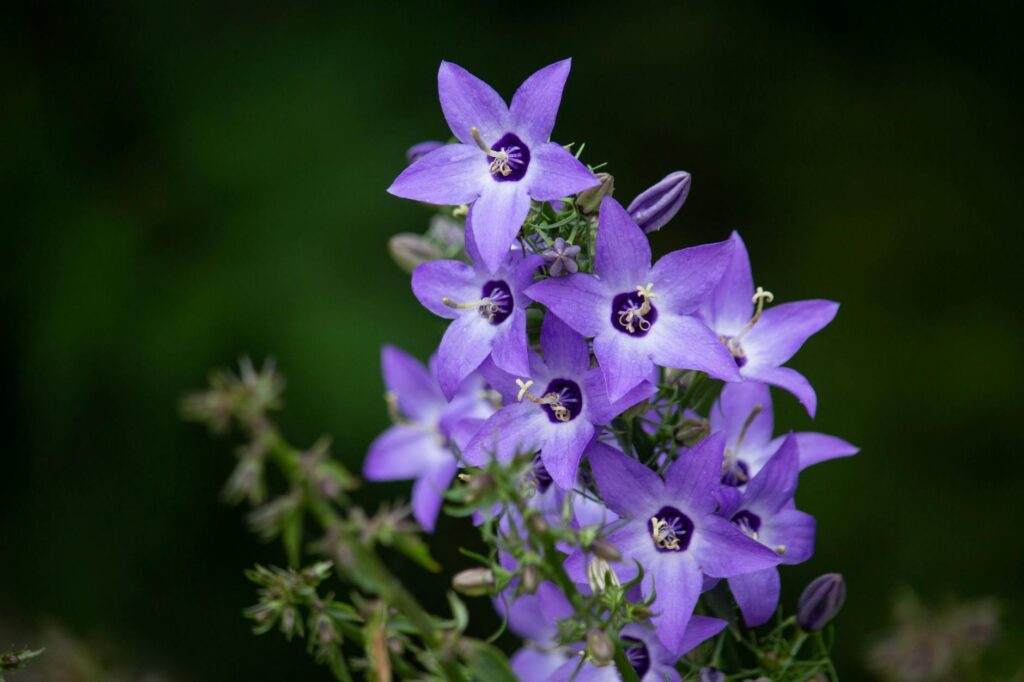
Have you ever seen a plant that looks like a waterfall of tiny stars? If so, you might have been looking at a babybelletje. This charming plant is more than just a pretty flower; it’s a statement piece for any home.
A babybelletje, scientifically known as Campanula isophylla, is a popular trailing perennial plant cherished for its abundant, star-shaped flowers. Often called the Italian Bellflower or Star of Bethlehem, it’s a favorite for hanging baskets and containers, thriving in bright, indirect light with consistent moisture and well-draining soil.
What Exactly Is a Babybelletje (Campanula isophylla)?
The babybelletje is the common Dutch name for Campanula isophylla, a tender perennial native to the cliffs of Northern Italy. Its name translates to “little baby bell,” a perfect description for its delicate appearance. This plant belongs to the Campanulaceae family, which includes hundreds of species of bellflowers.
What sets the babybelletje apart is its trailing habit. Its slender, flexible stems can grow up to two feet long, creating a dense mat of foliage that spills gracefully over the sides of its container. The leaves are small, heart-shaped, and light green. But the real show begins in late spring and summer when the plant is covered in a profusion of 1-inch, star-shaped flowers in shades of lavender-blue or pure white.
How Do You Care for a Babybelletje Plant?
Proper care for a babybelletje involves balancing its needs for light, water, and nutrients. This isn’t a set-it-and-forget-it plant, but its stunning floral display is well worth the attention. Getting the conditions right is the key to a plant that flowers for months.
[IMAGE alt=”A close-up of the delicate white and blue flowers of a babybelletje plant.” caption=”The star-shaped flowers are the main attraction of the Campanula isophylla.”]
Light Requirements
Your babybelletje needs bright, but indirect, sunlight. A spot near an east-facing window is often ideal, as it provides gentle morning sun. Direct, harsh afternoon sun will scorch its delicate leaves and flowers. If you notice yellowing leaves or a washed-out appearance, it might be getting too much direct light.
Watering and Soil
This is where many new owners make a critical mistake. Campanula isophylla prefers consistently moist soil, but it absolutely cannot tolerate being waterlogged. Water thoroughly when the top inch of soil feels dry to the touch. Allow excess water to drain away completely. Never let the pot sit in a saucer of water, as this is a fast track to root rot. Use a high-quality, all-purpose potting mix with added perlite or sand to ensure excellent drainage. is foundational for success with most houseplants.
Temperature and Humidity
Babybelletje plants prefer cool to average room temperatures, ideally between 60-75°F (15-24°C). They do not like extreme heat. Average household humidity is usually sufficient, but if your home is very dry, placing the plant on a pebble tray with water can help increase ambient moisture.
Fertilizing
To support its prolific blooming, feed your babybelletje every two to four weeks during the growing season (spring and summer). Use a balanced liquid fertilizer diluted to half-strength. Reduce feeding in the fall and winter when the plant’s growth slows down.
🎬 Related Video
📹 babybelletje — Watch on YouTube
What Are the Common Babybelletje Varieties?
While the species itself is beautiful, growers have developed specific cultivars to highlight certain traits. The two most widely available varieties offer a simple choice between classic colors, each recognized by horticultural experts for their reliability.
| Variety Name | Flower Color | Key Characteristics |
|---|---|---|
| Campanula isophylla ‘Alba’ | Pure White | Produces a dense cascade of brilliant white, star-shaped flowers. Often appears fuller than the blue variety. |
| Campanula isophylla ‘Mayi’ | Lavender-Blue | Features striking pale blue to lavender flowers with a slightly lighter center. The classic babybelletje look. |
According to the Royal Horticultural Society (RHS), both ‘Alba’ and ‘Mayi’ have received the prestigious Award of Garden Merit, signifying they are excellent choices for home gardeners.
How Do You Propagate a Babybelletje?
Propagating a babybelletje is surprisingly easy and a great way to create new plants for yourself or to share. The best method is through stem cuttings, ideally taken in the spring or early summer.
- Take Cuttings: Select a healthy, non-flowering stem. Cut a 3-4 inch section just below a leaf node (the point where a leaf grows).
- Prepare the Cuttings: Gently remove the leaves from the bottom half of the cutting. You can dip the cut end in rooting hormone powder, but it’s not strictly necessary for this plant.
- Plant the Cuttings: Fill a small pot with a moist, well-draining mix of peat and perlite. Insert the cuttings about an inch deep into the soil.
- Create Humidity: Cover the pot with a clear plastic bag to create a mini-greenhouse environment. This keeps the humidity high, which encourages rooting.
- Provide Care: Place the pot in a warm spot with bright, indirect light. Keep the soil lightly moist. Roots should form in 3-4 weeks. You can check by gently tugging on a cutting; resistance means roots have formed.
What Problems Affect Babybelletje Plants?
Even with good care, you might encounter a few issues. Identifying them early is key to keeping your babybelletje healthy.
- Yellow Leaves: This is most often a sign of overwatering. Check the soil moisture and allow it to dry out more between waterings. It can also indicate too much direct sun.
- Pests: Aphids and spider mites are the most common culprits. They tend to gather on new growth and the undersides of leaves. Treat them with insecticidal soap or neem oil. A strong spray of water can also dislodge them. can save you a lot of trouble.
- No Flowers: A lack of blooms is usually caused by insufficient light. While it dislikes direct sun, it needs plenty of bright, indirect light to produce flowers. A lack of nutrients could also be the cause, so ensure you’re fertilizing during the growing season.
The Campanula genus is vast, with over 500 species found across the temperate and subtropical regions of the Northern Hemisphere. Their adaptability and charm have made them a staple in gardens and homes for centuries.
[IMAGE alt=”A babybelletje plant displayed on a high shelf, allowing its foliage to trail down.” caption=”Elevated positions in hanging baskets or on shelves best showcase the plant’s trailing nature.”]
Where Is the Best Place to Display Your Babybelletje?
The trailing nature of the babybelletje makes it a perfect candidate for specific locations in your home. To truly appreciate its beauty, you need to give it space to cascade.
Hanging baskets are the classic choice. Placed in a bright corner or near a window, a babybelletje in a hanging basket creates a living curtain of flowers. They also look fantastic on high shelves, bookcases, or mantels where their stems can spill over the edge. In my experience, using them in a mixed container with upright plants provides a wonderful ‘spiller’ element, adding texture and movement to the arrangement.
Whatever location you choose, ensure it’s away from drafts from vents or open doors, as the plant is sensitive to sudden temperature changes. can transform your indoor space.
Frequently Asked Questions
Is babybelletje an indoor or outdoor plant?
A babybelletje is typically grown as an indoor houseplant in most climates. It is a tender perennial, meaning it cannot tolerate frost. In frost-free regions (like USDA zones 9-11), it can be grown outdoors in containers or as a ground cover in a rock garden with partial shade.
How long do babybelletje plants live?
With proper care, a Campanula isophylla can live for several years as a houseplant. They are relatively short-lived perennials, but you can easily keep the plant going indefinitely by taking cuttings each year to propagate new plants, ensuring you always have a fresh, vigorous specimen.
Why are my babybelletje leaves turning yellow?
Yellow leaves on a babybelletje are most commonly caused by overwatering, which leads to root rot. Ensure the soil dries out slightly between waterings and that the pot has good drainage. Less common causes include too much direct sunlight, nutrient deficiency, or natural aging of lower leaves.
Does the babybelletje flower all year round?
The babybelletje does not flower all year. Its primary blooming season is from late spring through summer, and sometimes into early autumn. After flowering, it enters a period of slower growth during the winter. Providing a slightly cooler, drier rest period in winter can encourage more prolific blooms the following season.
Is Campanula isophylla toxic to pets?
According to the ASPCA, plants in the Campanula genus are generally considered non-toxic to cats, dogs, and horses. While it’s always best to prevent pets from chewing on any houseplant, the babybelletje is a relatively safe choice for homes with furry companions.
Your Next Step to a Blooming Display
The babybelletje is more than just a plant; it’s a living piece of art that brings a touch of Italian cliffside charm into your home. By understanding its needs for bright, indirect light and careful watering, you can enjoy its cascade of star-like flowers for months on end. Don’t be intimidated by its delicate appearance; this is a rewarding plant for any enthusiast.
Now that you have the knowledge, the next step is to find a babybelletje at your local nursery or garden center. Look for a plant with healthy, green foliage and plenty of buds, and get ready to watch the stars fall.