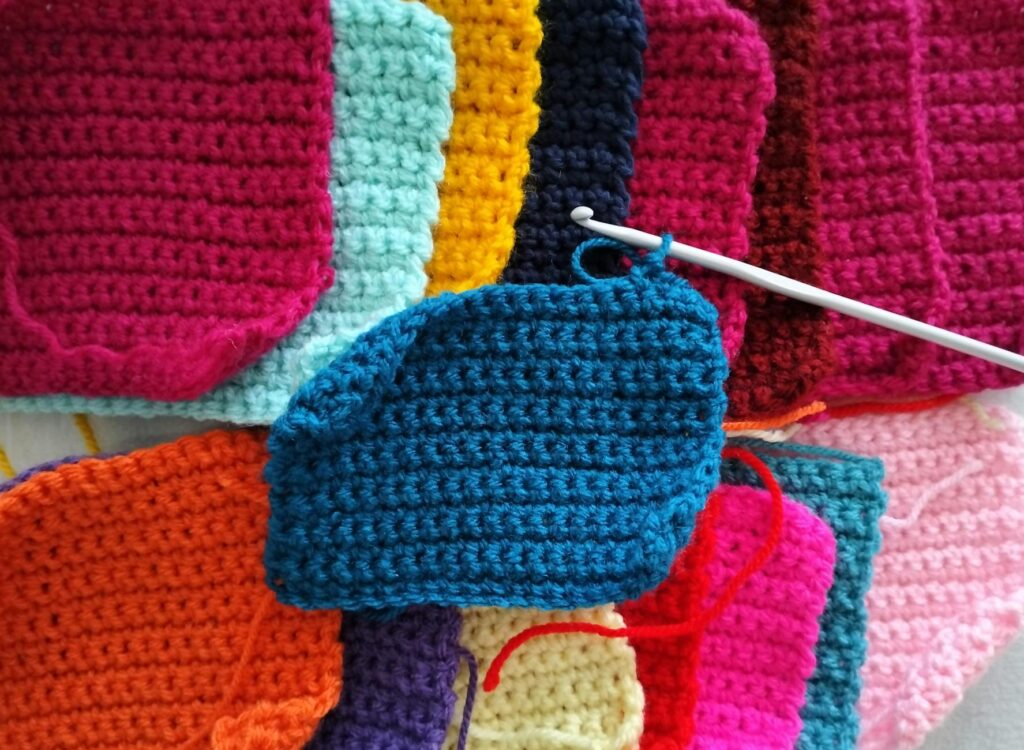
As of April 2026, the charming world of handmade crafts continues to embrace the intricate beauty of small, soft creations. Among these, butterfly crochet amigurumi has fluttered into prominence, offering crafters a delightful way to combine delicate design with the satisfying tactile experience of crochet. These miniature marvels, perfect for embellishing gifts, adorning living spaces, or even serving as charming keepsakes, represent a growing trend in artisanal toy making and decorative crafts. This article will guide you through the essentials of creating your own butterfly crochet amigurumi, from selecting the right materials to mastering assembly techniques, ensuring you can produce these enchanting figures with confidence.
Last updated: April 29, 2026
- Butterfly crochet amigurumi uses readily available yarn and basic crochet stitches, making it accessible for beginners.
- As of April 2026, popular patterns often feature simple shapes that are then embellished to create the butterfly effect.
- Safety eyes and quality stuffing are crucial for amigurumi, ensuring a safe and durable finished product.
- Consider UK/European yarn weights like DK or Aran for a good balance of detail and ease of handling for most butterfly amigurumi patterns.
What Makes Butterfly Crochet Amigurumi So Appealing?
The allure of butterfly crochet amigurumi lies in its blend of simplicity and aesthetic appeal. Unlike more complex amigurumi designs, many butterfly patterns are relatively straightforward, often built from basic shapes like spheres or flattened discs that are then shaped and adorned to resemble butterfly wings. This makes them an excellent entry point for those new to amigurumi or crochet in general. The visual impact is immediate; a well-executed crocheted butterfly can be incredibly lifelike yet undeniably whimsical. Also, the sheer versatility of color and pattern possibilities means that no two butterflies need ever be the same. From vibrant, tropical hues to subtle, pastel shades, crafters can tailor their creations to any preference or occasion. The small size also means they work up quickly, providing that satisfying sense of accomplishment that drives many crafters.
Essential Materials for Your Amigurumi Butterfly
Before you begin stitching, gathering the right materials is paramount. For butterfly crochet amigurumi, the core components are consistent across most patterns:
- Yarn: Cotton or cotton blends are highly recommended for amigurumi due to their stitch definition and durability. As of April 2026, brands like Schweppes Catona or DMC Natura Just Cotton are popular choices, offering a wide range of colors in fine mercerized cotton, suitable for detailed work. For a slightly thicker, quicker project, a Double Knitting (DK) weight yarn is often ideal, particularly in the UK and Europe.
- Crochet Hook: The hook size will depend on your yarn weight and desired tension. A common recommendation for DK weight yarn is a 2.5mm to 3.5mm hook. A tighter tension is generally preferred for amigurumi to prevent stuffing from showing through, so opting for a slightly smaller hook than recommended for your yarn weight is often a good strategy.
- Stuffing: Polyester fiberfill is the standard choice for amigurumi stuffing. It’s hypoallergenic, washable, and provides a good, plump fill. Ensure you use a good quality fiberfill that doesn’t clump easily for a smooth finish.
- Safety Eyes: If your butterfly design includes a face, safety eyes are essential for a professional and safe finish, especially if the amigurumi is intended for children. These come in various sizes, typically from 4mm to 12mm. For small butterflies, 4mm or 6mm eyes are usually appropriate. Always check the manufacturer’s recommendations regarding age suitability for safety eyes; the Toy Safety Association provides guidelines on their use.
- Embroidery Thread/Floss: For adding facial details like antennae or mouth, or for decorative wing patterns, embroidery floss in coordinating or contrasting colors is invaluable.
- Other Notions: A yarn needle for weaving in ends and assembly, stitch markers to keep track of rounds, and sharp scissors are all standard tools for any crochet project.
Understanding Basic Stitches and Techniques
Butterfly crochet amigurumi primarily relies on a few fundamental crochet stitches and techniques. Mastering these will unlock a vast array of patterns.
The Magic Ring (or Adjustable Ring)
This is the foundation for most amigurumi pieces, creating a tight, adjustable starting circle that avoids a hole in the center. It allows you to begin working stitches directly into a closed loop.
Single Crochet (sc)
The workhorse stitch of amigurumi. It’s worked tightly to create a dense fabric that holds stuffing well. In US terms, this is ‘single crochet’; in UK terms, it’s ‘double crochet’.
Increases and Decreases
To shape your amigurumi, you’ll need to increase (work two stitches into one stitch) and decrease (work two stitches together as one stitch). These are typically worked as ‘invisible decreases’ for a neater finish.
Working in the Round
Most amigurumi pieces are worked in continuous spirals rather than joined rounds. This means you’ll use a stitch marker to denote the end of each round.
Stuffing and Assembly
Proper stuffing is key to a well-formed amigurumi. Stuff firmly but evenly, avoiding lumps. For butterfly amigurumi, you’ll typically crochet separate pieces for the body and wings, and then stitch them together. Some patterns might incorporate the wings directly onto the body in later rounds.
 ▶
▶
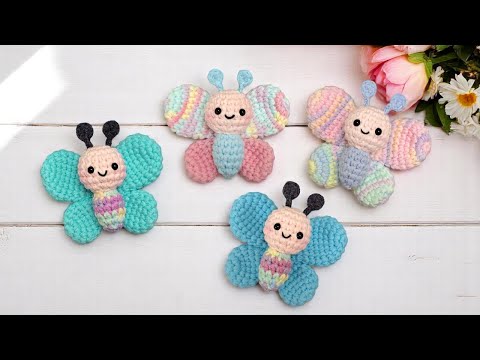
How To Crochet A Cute Amigurumi Butterfly – Step by Step Tutorial
Pattern Selection: Finding Your Perfect Butterfly
When searching for butterfly crochet amigurumi patterns, you’ll find a spectrum of complexity. For beginners, look for patterns that explicitly state ‘easy’ or ‘beginner-friendly’. These often consist of simple spheres for the body and flat, crocheted shapes for the wings, which are then stitched on. More experienced crocheters might seek out patterns with more intricate wing designs, perhaps incorporating lace-like elements or textured stitches. Websites like Ravelry are treasure troves for patterns, with thousands of options available, many of which are free. As of April 2026, searching for terms like “amigurumi butterfly pattern free” or “crocheted butterfly toy instructions” will yield numerous results. Always read pattern reviews if available; they often provide valuable insights into clarity and potential challenges.
Crafting Tips for Stunning Amigurumi Butterflies
To elevate your butterfly crochet amigurumi from simple to stunning, consider these practical tips:
Tension is Key
Consistent tension is non-negotiable for amigurumi. If your stitches are too loose, the stuffing will show through, and the shape will be less defined. If you’re finding your work too loose, try going down a hook size. Practice making a small swatch to check your tension before starting your main piece.
Color Choices Matter
Think about where your butterfly amigurumi will be used. For children’s toys, bright, cheerful colors are excellent. For decorative pieces, consider palettes that complement your home decor. You can also draw inspiration from real butterfly species—researching their wing patterns can provide unique ideas for color combinations and stitch work. The Natural History Museum website offers a wealth of information on butterfly diversity.
Adding Details: Eyes, Antennae, and Wings
The facial features and wing details are what truly bring your amigurumi butterfly to life. If using safety eyes, ensure they are securely fastened before you close up the piece. Position them strategically to give your butterfly the desired expression. For antennae, you can crochet thin tubes, use pipe cleaners, or embroider them directly onto the head. The wings are where you can get most creative. Some patterns use simple chains and single crochets to create wing shapes, while others might involve more complex lace stitches or even wire for support, though wire is generally not recommended for children’s toys. Remember to securely stitch all attached parts to prevent them from coming loose.
Stuffing Techniques for a Professional Finish
Don’t just shove stuffing into your amigurumi. Instead, use small amounts at a time, pushing it into all the nooks and crannies, especially in the tips of the wings. For a firmer shape, you can use a stuffing tool or the blunt end of your crochet hook. Avoid over-stuffing, which can distort the shape and strain the stitches. The goal is a firm, smooth, and well-defined form.
Beyond the Basic Butterfly: Variations and Ideas
Once you’ve mastered the basic butterfly crochet amigurumi, the possibilities for variation are endless. Consider these ideas:
- Themed Butterflies: Create butterflies inspired by specific themes, such as seasonal colors (autumnal oranges and browns, festive reds and greens) or even characters.
- Larger Scale Projects: While amigurumi is typically small, you could adapt patterns for larger butterflies using thicker yarn and a larger hook. These could serve as cushions or decorative wall hangings.
- Butterfly Garlands and Mobiles: Crochet multiple small butterflies and string them together to create charming garlands or mobiles for nurseries or children’s rooms.
- Functional Items: Incorporate butterfly motifs into other crochet projects. For instance, a butterfly could be a decorative appliqué on a hat, a bag, or even a blanket.
Frequently Asked Questions
What yarn is best for butterfly crochet amigurumi?
Cotton or cotton-blend yarns are highly recommended for their stitch definition and durability. Mercerized cotton, in weights like DK or sport weight, is particularly popular for detailed amigurumi work. As of April 2026, brands like Schweppes Catona and DMC Natura Just Cotton are excellent choices.
How do I make my amigurumi butterfly look neat?
Achieve a neat finish by maintaining consistent, tight tension throughout your work, using invisible decreases, and stuffing the amigurumi evenly and firmly. Carefully weaving in all ends and securely attaching all parts, such as wings and eyes, also contributes significantly to a professional appearance.
Can beginners make butterfly crochet amigurumi?
Absolutely. Many butterfly amigurumi patterns are designed with beginners in mind, utilizing basic stitches and simple construction methods. Starting with ‘easy’ or ‘beginner-friendly’ patterns is a great way to build confidence and skill.
How long does it take to crochet a small butterfly amigurumi?
A small, simple butterfly crochet amigurumi can often be completed in just a couple of hours, depending on your crocheting speed and the complexity of the pattern. More intricate designs might take longer.
Where can I find free butterfly crochet amigurumi patterns?
Popular online platforms like Ravelry host thousands of free and paid patterns. Blogs dedicated to crochet and amigurumi, as well as many yarn manufacturer websites, also offer free patterns. Searching with terms like “free amigurumi butterfly pattern” will yield many results.
Conclusion: Embrace the Flutter of Creativity
Butterfly crochet amigurumi offers a delightful and rewarding crafting experience. Whether you’re aiming to create a sweet gift, a charming decoration, or simply want to explore the joy of bringing a whimsical creature to life with yarn, these miniature butterflies are an excellent project. By understanding the basic materials, stitches, and techniques, and by applying a few key crafting tips, you can produce beautiful, unique amigurumi butterflies that are sure to enchant. As of April 2026, the popularity of handmade crafts shows no sign of waning, making your crocheted creations even more special. So, gather your yarn, grab your hook, and let your creativity take flight!
Editorial Note: This article was researched and written by the Serlig editorial team. We fact-check our content and update it regularly. For questions or corrections, contact us.


