Carafes: The Science of the Right Choice in 2026
This guide covers everything about carafes. Most people select a carafe based purely on aesthetics, and it’s the single biggest mistake that undermines the quality of the beverage inside. A carafe is a vessel designed for serving liquids, but its true purpose is defined by its material science and thermal dynamics. Choosing correctly means understanding how the container interacts with the coffee, wine, or water you intend to serve. (Source: cmog.org)
Last updated: April 30, 2026
As of April 2026, the beverage service industry continues to emphasize both functionality and aesthetics in glassware and servingware. Recent reviews of top-performing drip coffee makers, such as those highlighted by ‘The Best Drip Coffee Makers of 2026’ lists, often feature carafes designed for optimal heat retention and pourability. A growing consumer interest in health and safety, as seen in articles discussing BPA-free coffee makers, means that materials like high-quality borosilicate glass and food-grade stainless steel are increasingly preferred for carafes. As ‘Popular Science’ noted in their 2026 review of pour-over coffee makers, the carafe’s role in preserving delicate aromas and temperatures is important for achieving the best brew. The science behind how different vessel materials and shapes influence beverage taste, a topic explored by ‘Perfect Daily Grind,’ remains a key consideration for both home enthusiasts and professional baristas.
What’s the Real Difference Between a Carafe, a Pitcher, and a Decanter?
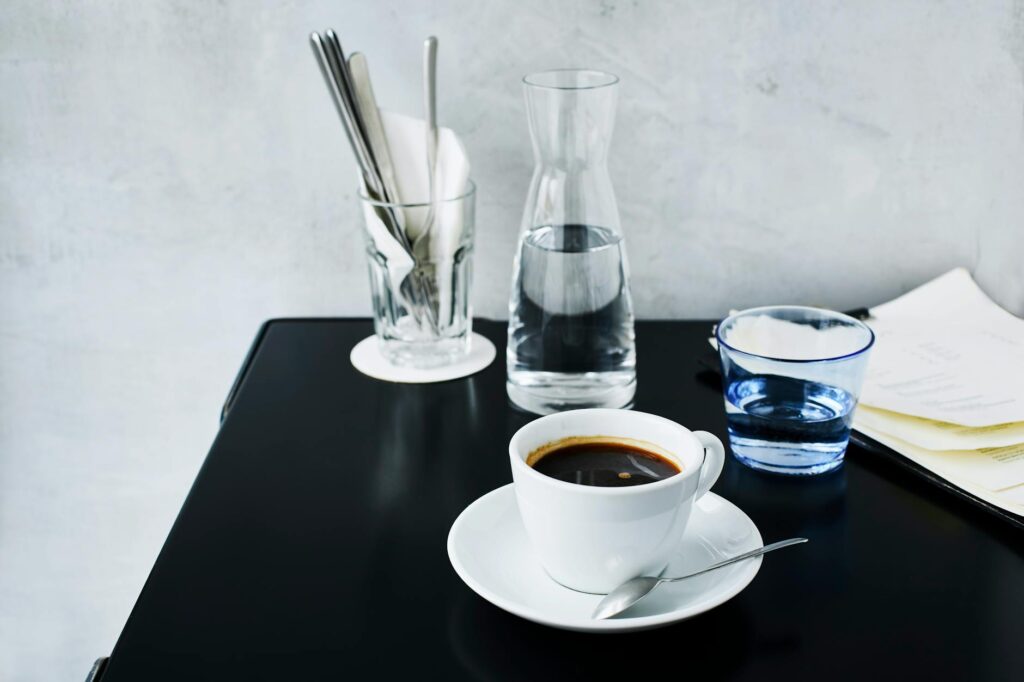
The terms carafe, pitcher, and decanter are often used interchangeably in casual conversation, but they describe vessels with distinct design purposes rooted in their intended function. Understanding these differences is the first step toward making an informed choice. A carafe typically features a narrow neck, a flared mouth for controlled pouring, and often no handle. This specific design minimizes the liquid’s exposure to air, which is key for preserving temperature and delicate aromas, especially for beverages like coffee or tea served after brewing. In contrast, a pitcher almost always features a prominent handle and a wider mouth, often equipped with a spout, making it ideal for easy and rapid pouring of larger quantities of drinks such as iced tea, lemonade, or water. A decanter, however, is primarily designed for wine. It usually boasts a wide base and a long, often slender neck, engineered to maximize aeration. This process allows wines, especially young red wines, to ‘breathe,’ softening tannins and releasing complex aromatic compounds, thereby enhancing their bouquet and flavor profile. As ‘VinePair’ recently explored the science behind storing whiskey in decanters, the principle of interaction with air, or lack thereof, is central to how these vessels affect spirits as well. Using the wrong vessel for a specific beverage is a functional mismatch that can detract from the drinking experience.
Why Is Material the Most Critical Factor for Carafes?
The material of your carafe directly impacts taste, temperature stability, and safety – far more than its aesthetic appeal. The primary choices boil down to glass and stainless steel, with specific types of glass offering vastly superior performance. Standard soda-lime glass, commonly found in many inexpensive carafes, is notoriously prone to thermal shock. This means it can shatter unexpectedly when exposed to rapid temperature changes, such as pouring piping hot coffee into a cool or room-temperature vessel. This poses a significant safety risk and can lead to premature replacement.
Here’s precisely why borosilicate glass is considered the gold standard for non-insulated carafes. Popularized by brands like Pyrex, this material is infused with boron trioxide. This chemical composition gives borosilicate glass a very low coefficient of thermal expansion, meaning it expands and contracts minimally with temperature fluctuations. So, it can handle extreme temperature shifts without cracking, making it exceptionally suitable for serving everything from pour-over coffee to iced water. Beyond its thermal resilience, borosilicate glass is also non-porous and chemically inert. This ensures it won’t leach any unwanted flavors or odors into your beverage, preserving its pure taste. When selecting a glass carafe, verifying that it’s made from borosilicate glass is non-negotiable for both safety and taste quality. According to the Corning Museum of Glass, borosilicate glass’s exceptional resistance to thermal shock makes it the material of choice not only for high-quality kitchenware but also for sensitive scientific laboratory equipment. This endorsement highlights its reliability and performance under demanding conditions.
Food-grade stainless steel is another excellent option, particularly for insulated carafes. High-quality stainless steel, typically 18/8 or 18/10, offers durability and excellent thermal retention when used in a double-walled, vacuum-sealed construction. Unlike some plastics, it’s non-reactive and won’t impart metallic tastes to beverages, provided it’s of good quality. As reported by Wirecutter’s 2026 guide to insulated carafes, the best models maintain coffee temperature for up to 12 hours, a testament to the effectiveness of vacuum insulation combined with stainless steel. However, stainless steel carafes prevent visual inspection of the beverage level and can sometimes be heavier than their glass counterparts.
Does the Shape of a Carafe Actually Affect Taste?
Yes, the geometry of a carafe has a measurable and significant effect on the sensory experience of the beverage it holds. The key principle at play is surface area and its interaction with the surrounding environment, primarily air. For beverages like wine, a decanter-style carafe, often characterized by a wide, bulbous base, dramatically increases the surface area of the liquid exposed to oxygen. This aeration process is vital for softening the harsh tannins found in many red wines and allows volatile aromatic compounds to release and develop, thereby enhancing the wine’s overall flavor profile and bouquet. Experts note that proper aeration can transform a young, astringent wine into a smoother, more complex drink.
For coffee, the desired outcome is often the opposite. A carafe with a tall, narrow profile, such as those commonly used with pour-over coffee makers like the Hario V60 server, minimizes the surface area of the coffee exposed to air. This design choice actively reduces oxidation, a process that can lead to coffee tasting stale, bitter, or otherwise unpleasant over time. By limiting air contact, these carafes help preserve the nuanced flavors and aromas that are carefully extracted during the brewing process. The ideal shape, therefore, depends entirely on the beverage and the desired sensory outcome.
Thermal Dynamics: Keeping Your Beverage at the Perfect Temperature
The ability of a carafe to maintain temperature is a crucial aspect of its function, directly impacting the enjoyment of the beverage. The principles of thermal primarily governs this dynamics and the carafe’s construction.
Insulated vs. Non-Insulated Carafes
Non-Insulated Carafes: These are typically made of glass (preferably borosilicate) or sometimes ceramic. They offer no inherent thermal protection. Their ability to keep a beverage hot or cold relies solely on the initial temperature of the liquid and the ambient room temperature. While they excel at preserving the pure taste of coffee or wine without interference, they are not designed for long-term temperature maintenance. For instance, hot coffee poured into a room-temperature glass carafe will begin to cool immediately. Conversely, iced beverages will warm up relatively quickly.
Insulated Carafes: These are almost always constructed from stainless steel with a double-walled, vacuum-sealed design. The vacuum between the inner and outer walls acts as an exceptional insulator, dramatically slowing down heat transfer. This means hot beverages can stay hot for many hours (often 6-12 hours, as confirmed by multiple 2026 product reviews), and cold beverages can remain cold for a similar duration. This makes them ideal for serving coffee throughout a morning meeting or keeping water chilled during a long afternoon. The trade-off, as mentioned, is the inability to see the liquid level and the potential for a less aesthetically refined appearance compared to elegant glass carafes.
The Role of the Lid
The lid plays a surprisingly significant role in a carafe’s thermal performance and aroma preservation. A well-fitting lid on an insulated carafe is essential for maximizing heat retention. It prevents heat from escaping through the top opening. For non-insulated carafes, a lid can help slow down cooling and reduce oxidation. Some lids are designed with spouts that facilitate pouring while minimizing air exchange, often featuring a simple push-button mechanism or a twist-lock design for secure closure. As ‘Good Housekeeping’ reported in their 2026 testing of kitchen appliances, the seal quality of a carafe’s lid is a primary factor in its ability to maintain temperature over extended periods.
Carafe Maintenance and Cleaning
Proper maintenance ensures the longevity and optimal performance of your carafe, preventing flavor contamination and maintaining its appearance. The cleaning method often depends on the carafe’s material.
Glass Carafes
Borosilicate glass carafes are generally easy to clean. Most can be washed by hand with warm, soapy water. A bottle brush is invaluable for reaching the bottom and sides. For stubborn coffee or tea stains, a mixture of baking soda and water can be effective. Avoid abrasive scrubbers or harsh detergents, which can scratch the glass. Some borosilicate carafes are also dishwasher safe, but it’s always best to check the manufacturer’s instructions to prevent thermal shock or damage, especially if they have delicate design elements.
Stainless Steel Carafes
Stainless steel carafes should also be cleaned regularly. Handwashing with mild dish soap and a soft sponge is recommended. Avoid steel wool or abrasive cleaners, as they can scratch the surface and potentially compromise the vacuum seal in double-walled models. For interior cleaning, a bottle brush works well. If mineral buildup or stubborn stains occur, a vinegar and water solution can be used, followed by thorough rinsing. Ensure the carafe is completely dry before reassembling or storing to prevent water spots.
Decanters
Wine decanters require careful cleaning to preserve their delicate nature. Often made of fine glass, they should be rinsed immediately after use with lukewarm water. Specialized decanter brushes and cleaning beads (small stainless steel balls that scrub the interior when swirled with water) are available for more thorough cleaning. Avoid soap, as residues can significantly impact the taste of wine. Thorough rinsing is paramount.
Choosing the Right Carafe for Your Needs
Selecting the ideal carafe involves balancing material, shape, thermal properties, and intended use. Consider these factors:
- Beverage Type: Coffee and tea benefit from designs that minimize oxidation (tall, narrow). Wine requires aeration (wide base). Water can be served in various types, with insulated options best for prolonged chilling.
- Temperature Retention Needs: If you need to keep beverages hot or cold for extended periods (e.g., for meetings, serving guests over time), an insulated stainless steel carafe is the clear choice. For immediate serving or when temperature isn’t a primary concern, a borosilicate glass carafe is excellent.
- Aesthetics and Style: Glass carafes, particularly those with elegant designs, often offer a more sophisticated visual appeal for formal settings. Stainless steel options tend to have a more modern, utilitarian look.
- Durability and Safety: Borosilicate glass offers superior resistance to thermal shock compared to standard glass. Stainless steel provides excellent durability against drops and impacts.
- Budget: Prices can range significantly. Basic glass carafes are often the most affordable, while high-quality insulated stainless steel models or artisanal glass decanters can be considerably more expensive. As of April 2026, expect to pay anywhere from $20 for a simple glass coffee carafe to over $100 for a premium insulated model.
Frequently Asked Questions
Can I use a wine decanter for coffee?
While technically possible, it’s generally not recommended. Wine decanters are designed to maximize aeration, which can cause coffee to oxidize quickly, leading to a stale or bitter taste. Coffee carafes typically have designs that minimize air exposure to preserve freshness.
Are all glass carafes safe for hot liquids?
No. Only carafes made from borosilicate glass are reliably safe for hot liquids due to their high resistance to thermal shock. Standard soda-lime glass can crack or shatter when exposed to sudden temperature changes.
How often should I clean my carafe?
It’s best to clean your carafe after each use to prevent buildup of oils, residues, or potential bacterial growth, especially for coffee carafes. For wine decanters, rinsing immediately after use is essential, with a more thorough cleaning performed as needed.
What is the difference between a carafe and a thermal carafe?
A standard carafe, typically made of glass or ceramic, doesn’t offer significant insulation and is meant for immediate serving. A thermal carafe, usually made of stainless steel with vacuum insulation, is designed to maintain the temperature of beverages for several hours.
Do insulated carafes affect the taste of the beverage?
High-quality insulated carafes made from food-grade stainless steel generally don’t affect the taste. However, cheaper models or those made with lower-grade metals might impart a slight metallic flavor over time. The primary function of insulation is to preserve the existing temperature and flavor, not alter it.
Conclusion
Choosing the right carafe is far more than an aesthetic decision; it’s a matter of understanding material science, thermal dynamics, and the specific needs of the beverage you serve. Whether you prioritize preserving the delicate aromas of freshly brewed coffee, allowing a fine wine to breathe, or simply keeping your water perfectly chilled, the correct carafe significantly enhances the drinking experience. By considering the material (with borosilicate glass and quality stainless steel leading the options), the shape’s impact on aeration or oxidation, and the necessity of thermal insulation, you can make an informed choice that ensures both optimal taste and lasting performance in 2026 and beyond.
Source: Britannica
Editorial Note: This article was researched and written by the Serlig editorial team. We fact-check our content and update it regularly. For questions or corrections, contact us.


