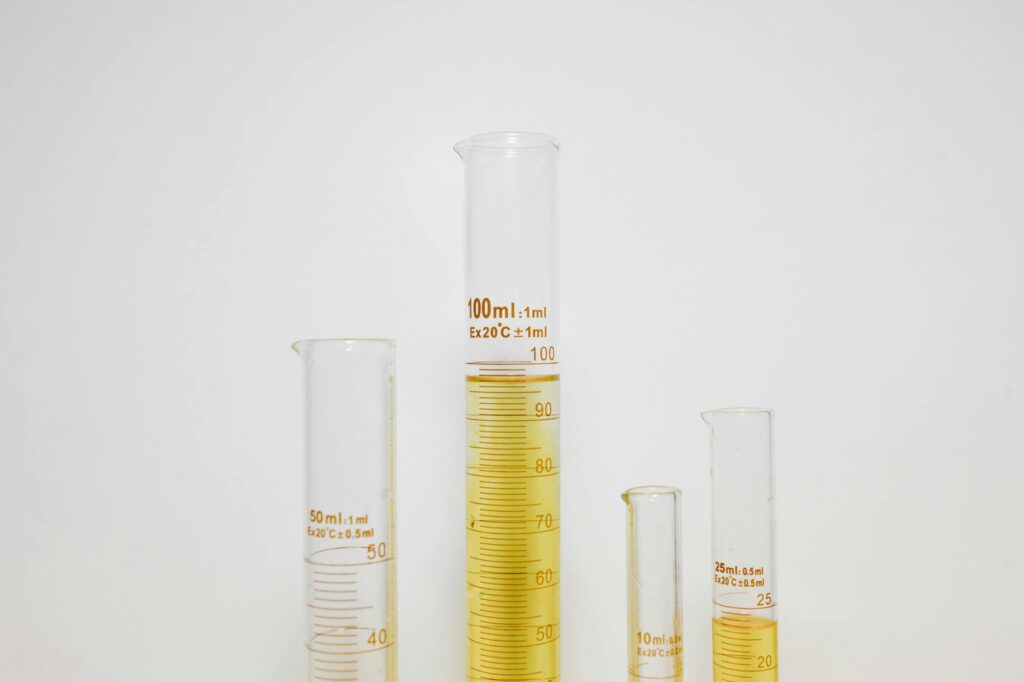
How Many Oz in a Cup? My 15-Year Kitchen Journey
I still remember the “Flour Disaster of 2011.” I was trying to bake a beautiful sourdough loaf, a recipe I’d spent weeks working up the courage to try. I followed the instructions to the letter, or so I thought. The result? A dense, gummy brick that could have been used as a doorstop. My mistake wasn’t the yeast or the kneading; it was a simple, fundamental misunderstanding of measurements. I’d measured 8 ounces of flour on my new kitchen scale, thinking that was the same as the “1 cup” the recipe called for. It’s not. That failure taught me a lesson that over 15 years of writing about food and testing recipes has only reinforced: understanding the difference between an ounce of volume and an ounce of weight is everything.
So, let’s get you the answer you came for right away. In the U.S. measurement system, there are 8 fluid ounces (fl oz) in one standard cup. This fundamental conversion is key for both novice cooks and seasoned chefs alike, ensuring accuracy in kitchens worldwide.
What’s Inside This Guide
- The Simple Answer You Came For (And a Crucial Detail)
- My “Flour Disaster”: Why Fluid Oz vs. Weight Oz Matters
- A Practical Conversion Chart for Your Kitchen
- Beyond the Measuring Cup: Tools I Actually Use
- What About Coffee? The Brewer’s Dilemma
The Simple Answer You Came For (And a Crucial Detail)
Let’s put it in bold so you can’t miss it: 1 US Cup = 8 Fluid Ounces.
This is the number you need for measuring liquids like water, milk, oil, or broth. If a soup recipe calls for 4 cups of stock, you need 32 fluid ounces. Simple enough. But here’s the detail that trips up so many people, including my 2011 self: a fluid ounce is a measure of volume (how much space something takes up), while a standard ounce (or avoirdupois ounce) is a measure of weight. They are not the same thing. Forgetting this is probably the single most common measurement mistake I see people make in the kitchen. It’s the hidden culprit behind dry cakes, tough bread, and inconsistent results.
My “Flour Disaster”: Why Fluid Oz vs. Weight Oz Matters
Let’s go back to my sad sourdough brick. The recipe called for 1 cup of bread flour. I knew a cup was 8 oz, so I confidently poured flour onto my digital scale until it read “8.0 oz.” I had just added almost twice the amount of flour the recipe intended. Why?
Think about a cup of feathers versus a cup of rocks. They both take up the same amount of space (one cup of volume), but they have drastically different weights. Kitchen ingredients are the same. A cup of all-purpose flour, when properly scooped and leveled, weighs around 4.25 ounces. A cup of packed brown sugar weighs about 7 ounces. And a cup of water? It weighs about 8.3 ounces, which is pretty close to 8 fluid ounces, adding to the confusion.
This is why professional bakers and serious home cooks almost always measure dry ingredients by weight. It’s the only way to guarantee consistency. Your “cup” of flour could be 4 ounces or 5.5 ounces depending on how packed it is. That’s a huge difference that can ruin a delicate recipe. In recent years, the adoption of weight-based measuring for dry goods has become increasingly common in online recipe communities and professional culinary schools, further solidifying its importance.
A Practical Conversion Chart for Your Kitchen
Even when you’re dealing strictly with liquids, it helps to have a quick reference. I keep a version of this chart taped to the inside of a cabinet door. It’s saved me from doing frantic mental math more times than I can count.
Common Liquid Conversions (U.S. Customary)
| Cups | Fluid Ounces (fl oz) | Tablespoons (Tbsp) | Milliliters (mL) |
|---|---|---|---|
| 1/8 cup | 1 fl oz | 2 Tbsp | ~30 mL |
| 1/4 cup | 2 fl oz | 4 Tbsp | ~59 mL |
| 1/2 cup | 4 fl oz | 8 Tbsp | ~118 mL |
| 1 cup | 8 fl oz | 16 Tbsp | ~237 mL |
| 1 pint (2 cups) | 16 fl oz | 32 Tbsp | ~473 mL |
| 1 quart (4 cups) | 32 fl oz | 64 Tbsp | ~946 mL |
A Quick Note on International Cups: The measurements above are for the U.S. customary system. If you’re using a recipe from the UK or Australia, be aware that their cup sizes can be different. An imperial cup, for instance, is about 284 mL (or 9.6 U.S. fl oz). Always check the origin of your recipe if things seem off!
Beyond the Measuring Cup: Tools I Actually Use
After years of trial and error, my measurement toolkit has become very specific. It’s not about having dozens of gadgets; it’s about having the right ones.
- Liquid Measuring Cups: These are typically glass or plastic, with a spout for pouring and measurement lines printed on the side (think Pyrex). They are designed to be filled to a line, leaving space at the top to prevent spills. Trying to measure flour in one of these is a recipe for inaccuracy.
- Dry Measuring Cups: These are the scoop-style cups meant to be overfilled and then leveled off with a straight edge. They are perfect for things like beans or rice, but as we’ve discussed, less accurate than a scale for baking ingredients.
- My Digital Scale: This is my workhorse. I use it for flour, sugar, salt, yeast, chopped nuts, chocolate chips—everything. It takes the guesswork completely out of the equation.
- An Angled Jigger: For making cocktails or measuring small amounts of liquid like vanilla extract or soy sauce, a bartender’s jigger is faster and more accurate than measuring spoons. I prefer the small, angled measuring cups you can read from above.
What About Coffee? The Brewer’s Dilemma
Coffee is a perfect example of where understanding volume versus weight is critical. Your coffee machine might have a carafe marked with “cups,” but these are often “coffee cups,” which are typically 5 or 6 fluid ounces, not the standard 8 fl oz US cup. This means if your coffee maker says it brews 10 cups, it might only be producing around 50-60 fluid ounces of coffee, not the 80 fluid ounces you’d expect from 10 standard US cups. Many modern coffee enthusiasts are now opting for scales to measure their coffee beans by weight, ensuring a more consistent and flavorful brew, moving beyond the ambiguity of volumetric ‘cups’ on coffee makers.
Frequently Asked Questions
- Is 1 cup always equal to 8 ounces?
- For liquids in the U.S. customary system, 1 cup is always equal to 8 fluid ounces (fl oz). However, for dry ingredients, 1 cup is NOT equal to 8 ounces of weight because density varies. For example, 1 cup of flour weighs about 4.25 ounces, while 1 cup of packed brown sugar weighs about 7 ounces.
- Why do recipes sometimes specify weight for dry ingredients?
- Recipes specify weight for dry ingredients (like flour or sugar) to ensure accuracy and consistency. The volume of dry ingredients can vary significantly based on how they are packed, sifted, or scooped. Measuring by weight (e.g., in grams or ounces) provides a precise amount every time, leading to more reliable baking and cooking results.
- How many ounces are in a UK cup?
- A standard UK (imperial) cup is approximately 9.6 U.S. fluid ounces, which is about 284 milliliters. This is different from the U.S. standard cup of 8 fluid ounces.