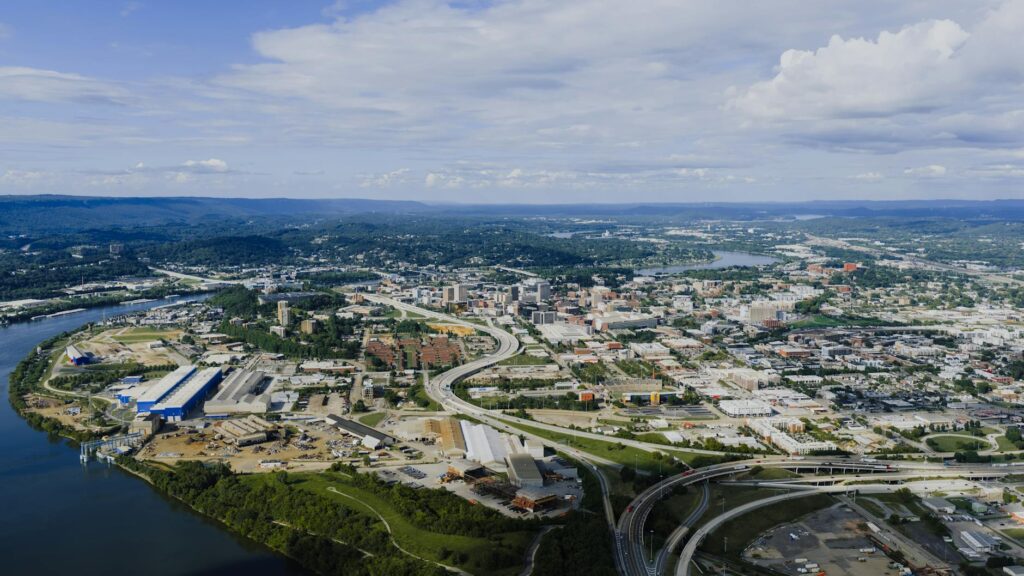
Have you ever driven through a small town and felt a pang of sadness seeing boarded-up storefronts on what was once a vibrant Main Street? It’s a common sight, leaving many to wonder if these communities can ever be revived. This problem is the exact focus of Mike Wolfe’s passion project, which extends far beyond his work on the television show American Pickers. His core mission is to revitalize small-town America by meticulously restoring historic buildings and transforming them into modern community hubs.
- What Exactly Is Mike Wolfe’s Core Passion Project?
- How Did Antique Archaeology Start This Revitalization Mission?
- What Is the Columbia, Tennessee “Motor Alley” Project?
- How Does the Two Lanes Guesthouse Embody Wolfe’s Vision?
- What Can We Learn from Mike Wolfe’s Preservation Approach?
- Is This Model for Community Revitalization Sustainable?
- Frequently Asked Questions
- How Can You Support Projects Like These?
What Exactly Is Mike Wolfe’s Core Passion Project?
Mike Wolfe’s primary passion project is the strategic purchase and restoration of historic properties in small American towns to foster economic growth and preserve local culture. It’s not about a single building, but a comprehensive philosophy of using history as a foundation for future community development. This approach transforms forgotten structures into thriving businesses, residences, and tourist destinations that honor the past while serving the present.
Instead of flipping properties for a quick profit, Wolfe’s method involves deep investment in the story of a place. He focuses on buildings with unique architectural character and historical significance, often in towns that have seen better days. By creating an anchor business, like his Antique Archaeology stores, he generates foot traffic that benefits surrounding shops and restaurants, creating a ripple effect of economic renewal. .
How Did Antique Archaeology Start This Revitalization Mission?
The revitalization mission began with the original Antique Archaeology store in LeClaire, Iowa, which opened in 2000, long before American Pickers aired on the History Channel. This initial store served as the proof of concept for his entire passion project. LeClaire, a small Mississippi River town, was not a major tourist hub at the time. The establishment of his unique retail store, filled with items that tell a story, created a destination.
The success of the TV show amplified this effect exponentially, turning LeClaire into a prime example of heritage tourism. Fans flocked to the store, and in turn, discovered the town’s other charms. This success provided the blueprint and the capital for more ambitious projects, demonstrating that a single, well-executed business rooted in local character could become an economic engine for an entire community. The store wasn’t just a shop; it was the first step in a much larger vision.
[IMAGE alt=”The iconic Antique Archaeology storefront in LeClaire, Iowa, part of Mike Wolfe’s passion project.” caption=”The original Antique Archaeology store became a catalyst for tourism in LeClaire, Iowa.”]
What Is the Columbia, Tennessee “Motor Alley” Project?
The Columbia, Tennessee “Motor Alley” project is Mike Wolfe’s most ambitious historic preservation effort to date, focusing on restoring an entire block of early 20th-century buildings. Located just south of Nashville, Columbia’s downtown had a historic district with significant potential. Wolfe purchased a cluster of buildings, including a former 1940s Chevrolet dealership, with the vision of creating a vibrant, walkable district of shops, restaurants, and community spaces.
This project is a masterclass in adaptive reuse. Rather than demolishing the old structures, the goal is to preserve their unique architectural details—like original brickwork and garage bay doors—while updating them for modern use. The name “Motor Alley” itself pays homage to the area’s automotive history. By curating a specific blend of tenants who share his vision, Wolfe aims to create a cohesive and authentic destination that attracts both locals and tourists. .
🎬 Related Video
📹 American Pickers Star Mike Wolfe’s "As Found Collection" // Mecum Las Vegas Motorcycles Jan. 24-28 — Watch on YouTube
How Does the Two Lanes Guesthouse Embody Wolfe’s Vision?
The Two Lanes Guesthouse in Columbia, Tennessee, perfectly embodies Wolfe’s vision by offering an immersive experience in American history and craftsmanship. Located directly above the Columbia Antique Archaeology store, this rental property allows visitors to literally live inside the brand. It’s more than just a place to stay; it’s a meticulously curated space filled with picks and stories, directly connecting guests to the mission of preservation.
Every detail, from the decor to the exposed brick walls, is designed to tell a story and celebrate American-made quality. By creating a high-quality lodging experience, Wolfe not only provides a unique offering but also encourages longer stays in Columbia, ensuring visitors spend more time and money within the local community. It serves as a tangible, profitable example of how a single historic space can be repurposed to drive tourism and showcase a town’s potential.
Comparing his two primary locations highlights the evolution of his strategy:
| Feature | LeClaire, Iowa Project | Columbia, Tennessee Project |
|---|---|---|
| Primary Focus | Single destination retail store (Antique Archaeology) | Multi-building district revitalization (Motor Alley) |
| Scale | Catalyst for organic town growth | Direct, large-scale property development |
| Key Offering | Retail experience based on the show | Immersive lifestyle experience (retail, lodging, food) |
| Community Impact | Increased tourism and brand recognition | Direct economic redevelopment and job creation |
[IMAGE alt=”Interior of the Two Lanes Guesthouse, showing decor from Mike Wolfe’s collection.” caption=”The Two Lanes Guesthouse offers a unique, immersive stay in Columbia, TN.”]
What Can We Learn from Mike Wolfe’s Preservation Approach?
We can learn several practical lessons from Mike Wolfe’s approach to preservation, primarily that honoring a building’s original story is paramount. He doesn’t erase the past; he highlights it. This teaches us to look for character-defining features in old structures and make them the centerpiece of a renovation. A common mistake is to over-modernize, stripping a building of the very soul that makes it unique.
Another key takeaway is the power of creating a destination. Whether it’s a single shop or an entire district, the goal is to offer an experience that people cannot get online or in a strip mall. This involves thoughtful curation and a commitment to quality. Lastly, his work shows the importance of community collaboration. Engaging with local government, historical societies, and other business owners is essential for long-term success. .
A 2019 report by the National Trust for Historic Preservation’s Preservation Green Lab found that projects utilizing historic tax credits generated $12 in private investment for every $1 of federal tax credit. This demonstrates the significant economic leverage of preservation.
Is This Model for Community Revitalization Sustainable?
The sustainability of this revitalization model depends on balancing celebrity-driven tourism with genuine local economic health. While Mike Wolfe’s fame provides a powerful initial draw, a town’s long-term success requires building a diverse and resilient local economy that serves its residents first. The model is sustainable if the new businesses are supported by the local community year-round, not just by seasonal tourists.
The projects in Columbia appear to be addressing this by focusing on creating a mix of businesses, not just high-end boutiques. By fostering a genuine neighborhood feel, the revitalization has a stronger chance of becoming a self-sustaining ecosystem. The ultimate measure of success will be when the district thrives on its own merits, with the celebrity connection being a bonus rather than the sole driver.
Frequently Asked Questions
What is Mike Wolfe’s main business besides American Pickers?
Mike Wolfe’s main business outside of the show is Antique Archaeology, a retail brand with stores in LeClaire, Iowa, and Nashville, Tennessee. These stores are the public face of his larger business ecosystem, which includes real estate development, historic preservation projects, and the Two Lanes lifestyle brand.
Where are Mike Wolfe’s passion projects located?
Mike Wolfe’s most significant passion projects are located in LeClaire, Iowa, where his first store helped revitalize the riverfront, and Columbia, Tennessee. His work in Columbia is more extensive, involving the restoration of multiple buildings in the downtown area known as “Motor Alley.”
Is Mike Wolfe still involved with the LeClaire, Iowa community?
Yes, Mike Wolfe remains actively involved with the LeClaire community. The original Antique Archaeology store is still a major anchor for the town’s tourism and he continues to be a prominent figure and advocate for the town that gave him his start before his television fame.
What is the goal of the Columbia Motor Alley project?
The primary goal of the Columbia Motor Alley project is to transform a block of historic, underused buildings into a vibrant commercial and cultural district. The project aims to preserve the area’s automotive-related history while creating new spaces for retail, dining, and community gathering, driving economic growth for the entire city.
Can you actually stay at one of Mike Wolfe’s properties?
Yes, you can stay at one of his properties. He owns and operates the Two Lanes Guesthouse in Columbia, Tennessee. It is a rental property located above his Antique Archaeology store, offering guests an immersive experience filled with items from his personal collection.
How Can You Support Projects Like These?
Seeing the success of the mike wolfe passion project can be inspiring, and you don’t need a national platform to contribute to a similar mission. The most powerful first step is to actively support preservation in your own backyard. Start by patronizing businesses that operate in historic buildings. Choose the local coffee shop on Main Street over the chain on the highway. Attend events organized by your local historical society or Main Street association.
Consider volunteering for or donating to local preservation non-profits. These organizations are often on the front lines, working with limited resources to save important local landmarks. By getting involved, you contribute to a movement that ensures the unique stories of our towns are not forgotten but are instead used as the foundation for a prosperous future.