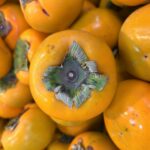
Have you ever walked through the produce section and spotted a fruit so brilliantly colored it made you stop? That was my experience the first time I saw a Navigator pear. Its deep crimson skin stood out among the familiar greens and browns of other pear varieties, and I knew I had to learn more.
(Source: agriculture.canada.ca)
The Navigator pear is a modern fruit variety known for its bright red skin, sweet and juicy flesh, and excellent resistance to common pear diseases. Developed by agricultural researchers in Canada, it offers a wonderful eating experience, combining the classic pear flavor with a smooth, grit-free texture that makes it ideal for eating fresh.
- What Does a Navigator Pear Taste and Look Like?
- Where Do Navigator Pears Come From?
- How Does the Navigator Pear Compare to Other Pears?
- What Are the Best Ways to Use a Navigator Pear?
- How Do You Select and Store Navigator Pears?
- What Makes the Navigator Pear a Good Choice for Growers?
- Frequently Asked Questions
What Does a Navigator Pear Taste and Look Like?
A Navigator pear engages the senses with its striking appearance and delightful flavor profile. It’s easily recognizable by its vibrant, uniform crimson-red skin that often covers the entire surface of the fruit, unlike other red pears that may only show a partial blush.
When you bite into a ripe Navigator, you’ll find the flesh is white, fine-grained, and incredibly juicy. The taste is predominantly sweet with very low acidity, often described as having subtle notes of melon and honey. One of its most praised qualities is its texture; it’s smooth and buttery, lacking the gritty stone cells (sclereids) that can be present in some other pear varieties. This makes for a consistently pleasant eating experience from the first bite to the last.
[IMAGE alt=”A sliced navigator pear showing its white, juicy flesh next to a whole one.” caption=”The smooth, white flesh of a Navigator pear contrasts beautifully with its red skin.”]
Where Do Navigator Pears Come From?
The Navigator pear is a Canadian innovation, originating from a dedicated breeding program. It was developed by researchers at the Atlantic Food and Horticulture Research Centre, a facility run by Agriculture and Agri-Food Canada (AAFC) in Kentville, Nova Scotia. This development is a point of pride in Canadian horticulture.
Its lineage is a cross between the ‘Harrow Delight’ pear and a red-skinned seedling of the famous ‘Bartlett’ pear. The goal was to create a pear that not only tasted great but also possessed strong natural resistance to fire blight, a destructive bacterial disease that plagues many pear orchards. After years of testing and cultivation, the Navigator was released, and it is now grown commercially in regions like Nova Scotia and the Pacific Northwest of the United States, including Oregon and Washington.
How Does the Navigator Pear Compare to Other Pears?
The Navigator pear stands out from other common varieties in color, disease resistance, and texture. While it shares a sweet flavor with many pears, its combination of traits gives it a unique place in the fruit aisle. Here’s a direct comparison with some popular pears you might know.
| Feature | Navigator Pear | Bartlett Pear | Bosc Pear | Anjou Pear |
|---|---|---|---|---|
| Color | Bright, full-body crimson red | Green, turns yellow when ripe (or red for Red Bartlett) | Cinnamon brown, russeted skin | Bright green or deep red |
| Flavor | Very sweet, low acid, hints of melon | Classic sweet pear flavor, musky aroma | Sweet, complex, honeyed with spicy notes | Mildly sweet, hints of citrus |
| Texture | Smooth, buttery, not gritty | Juicy, can be slightly grainy | Crisp and firm, becomes tender when ripe | Dense, juicy, and smooth |
| Best Use | Eating fresh, salads, baking | Canning, purées, eating fresh | Baking, poaching, holds shape well | Eating fresh, salads, grilling |
🎬 Related Video
📹 At Pear Suite, Colby Takeda Saves Money and Lives with Personable and Scalable Care — Watch on YouTube
What Are the Best Ways to Use a Navigator Pear?
The Navigator pear’s versatility makes it a fantastic addition to many dishes, though its exceptional flavor is best appreciated when eaten fresh. Its ability to hold its shape also makes it a reliable choice for cooking and baking applications where other, softer pears might turn to mush.
Eating Fresh
This is where the Navigator truly shines. Simply wash and slice it for a healthy and delicious snack. Its sweet juice and smooth texture require no accompaniment. It’s a perfect fruit for lunchboxes or a quick afternoon treat.
Salads and Appetizers
Thinly sliced Navigator pears can elevate any salad. Pair them with arugula, walnuts, goat cheese, and a light vinaigrette. The pear’s sweetness balances the peppery greens and tangy cheese perfectly.
Baking and Roasting
Unlike some juicy pears that fall apart with heat, the Navigator holds its structure well. This makes it ideal for tarts, pies, and baked desserts. You can also halve them, core them, and roast them with a drizzle of honey and a sprinkle of cinnamon for a simple yet elegant dessert.
[IMAGE alt=”A beautiful pear tart made with sliced red navigator pears.” caption=”Navigator pears hold their shape well, making them ideal for baking.”]
How Do You Select and Store Navigator Pears?
Choosing the best pear at the store and storing it correctly ensures you enjoy it at its peak flavor and texture. For Navigator pears, the process is straightforward and follows the general rule for most European pear varieties.
Selecting the Perfect Pear
Look for pears that are firm to the touch with smooth, unblemished skin. Minor scuffs or scratches are usually just cosmetic and don’t affect the fruit inside. The key to checking for ripeness is the “Check the Neck” test. Gently apply pressure with your thumb to the neck of the pear, near the stem. If it gives slightly, it’s ripe and ready to eat. If it’s hard, it will need a few days to ripen at home.
Ripening and Storing at Home
If your Navigator pears are still firm, leave them at room temperature on your counter. Depending on their firmness, they will ripen in two to five days. To speed up the process, you can place them in a paper bag with a banana or apple. Once a pear is ripe (it yields to gentle pressure at the neck), you can move it to the refrigerator. This will halt the ripening process and keep it fresh for another three to five days.
What Makes the Navigator Pear a Good Choice for Growers?
The primary reason growers are interested in the Navigator pear is its strong natural resistance to fire blight. This quality, intentionally bred into the fruit by the researchers at AAFC, makes it a more reliable and less chemically dependent crop for farmers to cultivate.
Fire blight is a devastating bacterial disease that can quickly destroy entire orchards, causing blossoms and branches to look scorched. Varieties resistant to it, like the Navigator, reduce the risk of crop loss and the need for costly antibiotic sprays. This is a significant advantage for both conventional and organic farming operations.
“The development of disease-resistant fruit cultivars is one of the most effective and environmentally sound methods of pest management in modern agriculture.” – Journal of the American Society for Horticultural Science
Beyond disease resistance, the Navigator is also a productive tree that yields a good harvest of uniformly sized fruit. The pears also have a good storage life, allowing them to be shipped to markets without significant spoilage. These combined traits make it an economically viable and attractive option for fruit growers looking to diversify their orchards.
Frequently Asked Questions
When are Navigator pears in season?
Navigator pears are typically harvested in the late summer to early fall, around late August and September in the Northern Hemisphere. Their availability in stores is usually best from September through early winter, depending on storage conditions and location. Always check with your local grocer for specific timing.
Can you eat the skin of a Navigator pear?
Yes, you absolutely can and should eat the skin. The brilliant red skin of the Navigator pear is thin, tender, and packed with fiber and nutrients. It also provides the beautiful color that makes the fruit so appealing. Just be sure to wash the pear thoroughly before eating.
Is the Navigator pear a GMO fruit?
The Navigator pear is not a genetically modified organism (GMO). It was developed through traditional cross-pollination methods, where pollen from one parent tree (Harrow Delight) was used to fertilize the flower of another (a red Bartlett seedling). This is a conventional plant breeding technique used for centuries.
How do you know when a Navigator pear is ripe?
The best way to tell if a Navigator pear is ripe is to “Check the Neck.” Apply gentle thumb pressure to the neck of the pear, right by the stem. If it gives slightly, it is ripe, sweet, and ready to eat. Color is not a reliable indicator of ripeness for this variety.
Are Navigator pears good for canning?
While Navigator pears can be canned, their best qualities are enjoyed fresh. For canning, a firmer pear like the Bartlett is often preferred because it holds its texture well through the high-heat process. If you do can Navigators, they will be very sweet and may soften more than other varieties.
Is the Navigator Pear Right for You?
If you enjoy sweet, juicy fruits and appreciate a beautiful presentation, the Navigator pear is an excellent choice. Its smooth, buttery texture makes it a pleasure to eat fresh, while its strong structure holds up in salads and even some baked goods. It’s a modern fruit born from careful, traditional breeding that prioritizes both flavor and sustainability for growers.
The next time you see that flash of crimson in the produce aisle, don’t hesitate. Pick up a few Navigator pears, use the “Check the Neck” test to ripen them to perfection, and enjoy one of Canada’s finest contributions to the world of fruit. Happy eating!