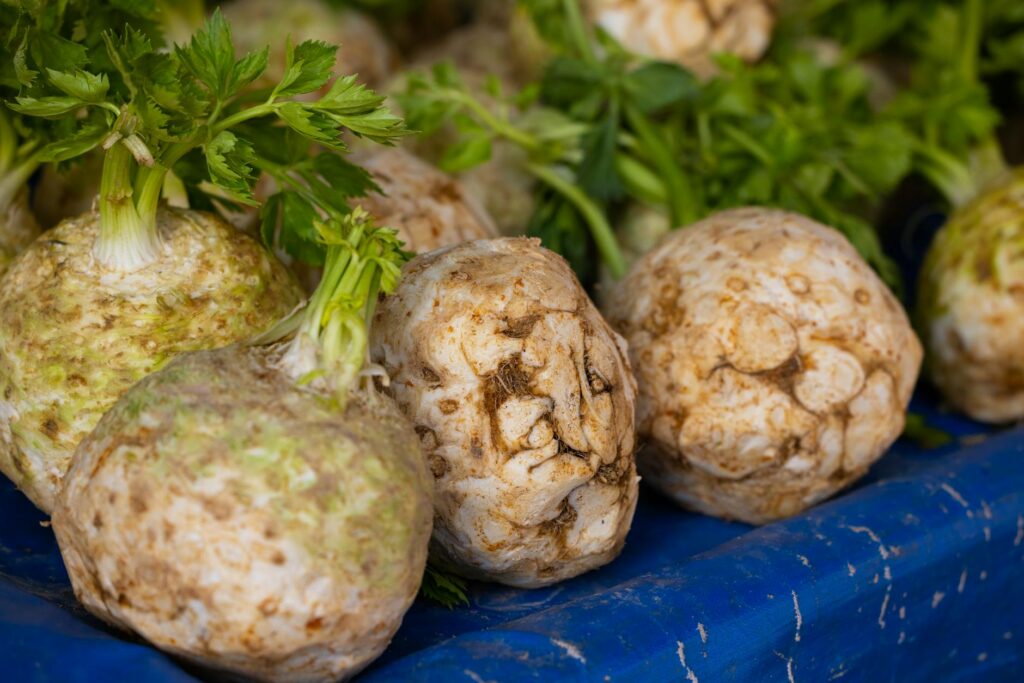
A single 156-gram cup of celeriac contains a remarkable 80% of the recommended daily intake of Vitamin K, a critical nutrient often under-consumed in modern diets. Pravi celer, known in English as celeriac or celery root, is the edible root of the Apium graveolens var. rapaceum plant. Unlike its familiar cousin, stalk celery, it is cultivated specifically for its large, gnarled bulb. This nutrient-dense root vegetable offers a nutty, earthy flavor and surprising versatility in the kitchen.
What Exactly is Pravi Celer (Celeriac)?
Pravi celer is a root vegetable, specifically a variety of celery cultivated for its edible hypocotyl, which forms a large, round bulb just below the soil surface. Despite its English name, “celery root,” it is not the root of the common stalk celery you find in every supermarket. They are related, both being varieties of Apium graveolens, but they are genetically distinct cultivars bred for different purposes. Originating in the Mediterranean Basin, celeriac has been a staple in European cuisine for centuries, valued for its unique flavor and excellent storage capabilities.
How Does Pravi Celer’s Nutrition Compare to Stalk Celery?
Pravi celer is significantly more calorie-dense and nutrient-rich per gram than stalk celery, primarily because it is a storage organ for the plant. While stalk celery is over 95% water and prized for its low-calorie crunch, celeriac offers a higher concentration of vitamins, minerals, and dietary fiber. The difference is most pronounced in minerals like phosphorus and its exceptionally high Vitamin K content.
| Nutrient (per 100g) | Pravi Celer (Celeriac), Raw | Stalk Celery, Raw |
|---|---|---|
| Calories | 42 kcal | 14 kcal |
| Carbohydrates | 9.2 g | 3 g |
| Dietary Fiber | 1.8 g | 1.6 g |
| Vitamin K | 41 mcg (34% DV) | 29.3 mcg (24% DV) |
| Vitamin C | 8 mg (9% DV) | 3.1 mg (3% DV) |
| Phosphorus | 115 mg (9% DV) | 24 mg (2% DV) |
Data sourced from the USDA FoodData Central database. Daily Values (DV) are based on a 2,000-calorie diet.
🎬 Related Video
📹 pravi celer — Watch on YouTube
What are the Top 3 Health Benefits of Celeriac, Backed by Data?
The nutritional profile of pravi celer translates into several significant, data-supported health benefits, particularly for bone, digestive, and cellular health. Its high concentration of key micronutrients makes it a valuable addition to a balanced diet.
1. Superior Bone Health Support
Celeriac is a standout source of Vitamin K, a fat-soluble vitamin essential for bone metabolism. Vitamin K helps activate proteins required for bone building and mineralization. A 100-gram serving provides about 34% of the daily value. Adequate Vitamin K intake is linked to a lower risk of fractures.
A 2017 meta-analysis published in the journal Medicine found that increased Vitamin K2 (a form of Vitamin K) intake was associated with improved bone mineral density and a reduced risk of fractures in postmenopausal women.
2. Digestive System Regulation
As a good source of dietary fiber, celeriac supports a healthy digestive system. Fiber adds bulk to stool, which can help prevent constipation and promote regularity. It also acts as a prebiotic, feeding the beneficial bacteria in your gut. A healthy gut microbiome is linked to improved immunity, mood, and overall health. here.
3. Rich in Antioxidants
Pravi celer contains a healthy dose of Vitamin C and other antioxidant compounds. Antioxidants help neutralize unstable molecules called free radicals, which can cause cellular damage (oxidative stress) if they accumulate. A diet rich in antioxidants from vegetables like celeriac is associated with a lower risk of chronic conditions.
How Do You Select and Store Pravi Celer for Maximum Freshness?
To get the best flavor and texture, select a celeriac root that is firm and feels heavy for its size, which indicates good moisture content. Avoid any bulbs that have soft spots, significant blemishes, or feel hollow. Smaller to medium-sized roots (around 8-14 cm in diameter) are often less fibrous than very large ones. For storage, keep the root unwashed in the crisper drawer of your refrigerator, where it can last for several weeks, sometimes even months.
[IMAGE alt=”A hand holding a firm, medium-sized pravi celer at a farmers market.” caption=”Look for firm, heavy celeriac roots with minimal soft spots.”]
What is the Easiest Way to Prepare and Cook Celery Root?
The most direct way to prepare pravi celer is to thoroughly wash it, trim the top and bottom, then remove its tough, knobby skin with a sharp knife or a sturdy vegetable peeler. Once peeled, you can chop it and then roast, boil, or steam it. Its earthy flavor mellows and sweetens with cooking.
- Wash: Scrub the root under running water to remove all dirt and grit from its crevices.
- Trim: Use a large chef’s knife to slice off the top (where the stalks grew) and the bottom root base. This creates stable, flat surfaces for peeling.
- Peel: Place the root on one of its flat ends. Carefully slice down the sides with your knife, following the curve of the bulb to remove the skin. A peeler can work, but a knife is often more effective on the tough exterior.
- Chop: Cut the peeled bulb into cubes, slices, or batons depending on your recipe. Remember to place cut pieces in acidulated water to prevent browning.
From here, you can roast the cubes with olive oil and herbs until tender, or boil them in salted water until soft to make a delicious, low-carb mash or puree. to get started.
Are There Any Risks or Side Effects of Eating Pravi Celer?
For most people, pravi celer is perfectly safe and healthy. However, it can cause issues for individuals with specific allergies, particularly those with Celery-Mugwort-Spice Syndrome. This is a cross-reactivity where an allergy to birch or mugwort pollen can trigger a reaction to celery and other related plants and spices. Additionally, because it is high in potassium and contains oxalates, individuals with compromised kidney function should consult their doctor before adding large amounts to their diet.
Beyond Soup: Creative Ways to Use Pravi Celer
While fantastic in soups and stews, the versatility of pravi celer extends much further. Its strong texture and unique flavor profile lend themselves to a variety of creative culinary applications. You can transform this humble root into a star dish.
- Celeriac Remoulade: This classic French bistro salad involves shredding raw celeriac and tossing it in a creamy, tangy mayonnaise or yogurt-based dressing with mustard and herbs.
- Roasted Celeriac “Fries”: Cut the peeled root into fry-shaped batons, toss with olive oil and spices, and roast at 200°C (400°F) until golden brown and tender. They make an excellent low-carb alternative to potato fries.
- Creamy Celeriac Gratin: Thinly slice the celeriac, layer it in a baking dish with cream, garlic, and cheese (like Gruyère or Parmesan), and bake until bubbly and golden. .
[IMAGE alt=”A bowl of golden-brown roasted celeriac fries garnished with fresh parsley.” caption=”Roasted celeriac fries are a healthy and delicious alternative to traditional potato fries.”]
Frequently Asked Questions
Can you eat pravi celer raw?
Yes, you can eat pravi celer raw. When raw, it has a crisp, firm texture and a more pronounced nutty and celery-like flavor. It is most commonly served raw when julienned or grated into salads and slaws, such as the classic French dish celeriac remoulade, which is both refreshing and flavorful.
What does pravi celer taste like?
Pravi celer has a distinct, complex flavor. It is often described as earthy and nutty, with subtle notes of celery and parsley. When cooked, its flavor mellows and becomes sweeter, making it a versatile ingredient that pairs well with herbs, spices, and other root vegetables. Its taste is less pungent than stalk celery.
Is celeriac a carb or a vegetable?
Celeriac is a non-starchy root vegetable. While it does contain carbohydrates, its carb count is significantly lower than starchy vegetables like potatoes or sweet potatoes. With approximately 9 grams of carbs per 100-gram serving, it is often used in low-carb and ketogenic diets as a substitute for higher-carb root vegetables.
How do you stop celery root from turning brown?
To prevent the cut white flesh of celery root from oxidizing and turning brown, you should immediately submerge the peeled and chopped pieces in acidulated water. This is simply a bowl of cold water mixed with an acidic ingredient, such as a tablespoon of lemon juice or white vinegar.
Is pravi celer the same as a turnip?
No, pravi celer (celeriac) and turnips are not the same. They belong to different plant families; celeriac is in the Apiaceae family with carrots and parsley, while turnips are in the Brassicaceae family with cabbage and radishes. They have distinct flavors, textures, and nutritional profiles.
Integrating Pravi Celer Into Your Diet
With its impressive nutritional statistics, especially its high Vitamin K content, and its culinary flexibility, pravi celer is an underrated vegetable that deserves a spot in your kitchen. It offers a low-carb, high-fiber alternative to potatoes and brings a unique, sophisticated flavor to a wide range of dishes. By understanding how to select, store, and prepare it, you can easily add this powerful root vegetable to your meals. The next time you see this ugly-duckling root at the market, try making a simple celeriac puree or some roasted fries to discover its potential.