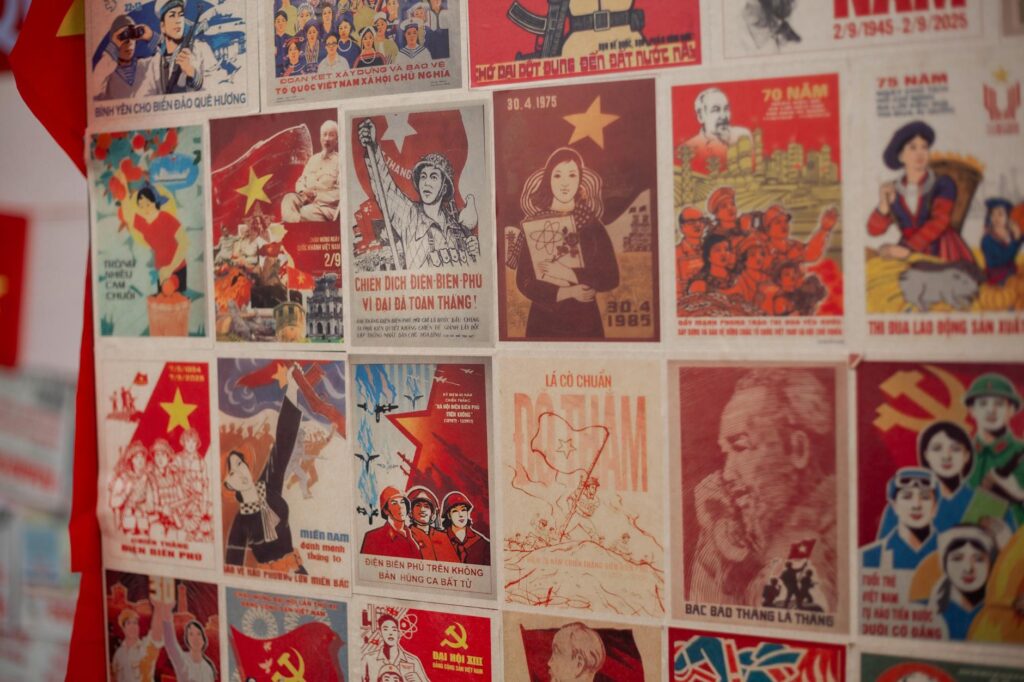
This guide covers everything about Unmasking Political Propaganda: Tactics & Impacts (2026). In an age saturated with information, discerning truth from manipulation has become a critical skill. Political discourse, once a realm for reasoned debate, is increasingly shaped by carefully constructed narratives designed to sway public opinion, often through emotional appeals rather than factual arguments. This isn’t a new phenomenon; political propaganda has a long, intricate history, but its modern manifestations, amplified by digital platforms and evolving technologies, demand a renewed understanding. As of April 2026, the challenges of identifying and countering propaganda are more complex than ever.
Last updated: April 30, 2026
Latest Update (April 2026)
Recent developments highlight the persistent and evolving nature of political propaganda. In February 2026, a hearing on foreign influence in American non-profits, as reported by Ways and Means (.gov), brought to light ongoing threats from Beijing and beyond, underscoring the international dimension of propaganda efforts. Simultaneously, discussions surrounding the integration of Artificial Intelligence (AI) in political messaging are intensifying. As SciTechDaily reported in February 2025, there’s a growing concern about unmasking AI’s hidden political bias, suggesting that algorithms themselves can become vectors for sophisticated propaganda. And, the past year has seen new challenges in identifying state-sponsored disinformation campaigns. As Haaretz reported in May 2023, understanding deceptive tactics concerning sensitive geopolitical issues remains a challenge, illustrating how propaganda can be employed to shape narratives around conflict and territorial disputes. More recently, as detailed by Israel National News in March 2026, the concept of a “shadow lobby” has emerged, highlighting covert efforts by nations like Iran to influence public discourse and policy through indirect means. The digital sphere continues to be a battleground, with platforms like X (formerly Twitter) developing new tools, such as real-time unmasking features for state-sponsored propaganda, as noted by visiontimes.com in November 2025, indicating an ongoing arms race between those spreading disinformation and those seeking to expose it. The persistent threat of anti-democratic agendas, as examined by Democracy Docket in July 2024 concerning Project 2025, also underscores the need for vigilance against organized efforts to undermine democratic institutions through information warfare.
This article aims to peel back the layers of political messaging, revealing the common tactics used to influence perceptions and actions. By dissecting these manipulation strategies and examining their far-reaching impacts, we can equip ourselves with the tools necessary for critical analysis, building a more informed and resilient citizenry. Understanding how propaganda works isn’t just an academic exercise; it’s a vital step toward safeguarding democratic processes and personal autonomy in a complex information environment.
What Exactly is Political Propaganda?
While often used interchangeably with terms like ‘persuasion’ or ‘public relations,’ political propaganda carries a distinct and often more insidious connotation. At its core, propaganda is communication primarily designed to influence an audience to further an agenda, often by presenting information selectively to encourage a particular synthesis or perception, or by using loaded language to produce an emotional rather than a rational response. Unlike simple persuasion — which might appeal to logic and offer a balanced view, propaganda frequently operates by:
- Intentional Manipulation: It’s not about informing, but about controlling thought and behavior through deliberate distortion or omission.
- Selective Truths: Information is often distorted, exaggerated, or outright fabricated. Crucially, it involves omitting inconvenient facts, creating a skewed reality.
- Emotional Appeal: It bypasses logical reasoning, targeting deep-seated fears, hopes, patriotism, prejudices, and aspirations to elicit a predictable response.
- Simplified Narratives: Complex issues are reduced to black-and-white dilemmas, creating clear ‘us vs. Them’ scenarios that discourage nuanced thinking.
- Repetition: Messages are repeated consistently across various channels, including social media, traditional news outlets, and public forums, to embed them in the public consciousness and enhance their perceived validity.
Historically, the Institute for Propaganda Analysis (IPA), formed in 1937, played a key role in identifying and categorizing common propaganda devices. Their work, though decades old, remains relevant today, highlighting the enduring nature of these manipulative techniques. Modern analysis often incorporates the impact of digital technologies and the speed at which information, and misinformation, can now spread globally.
Common Manipulation Tactics in Political Propaganda
Propagandists employ a diverse toolkit to shape public opinion. Recognizing these tactics is the first step toward critical engagement and inoculation against their effects. The sophistication of these tactics continues to evolve, especially with the advent of advanced AI tools.
Ad Hominem Attacks & Name-Calling
Rather than addressing an opponent’s arguments or policy proposals, this tactic attacks their character, motives, personal history, or other irrelevant attributes. By discrediting the person, the propagandist hopes to discredit their ideas by extension. Name-calling simplifies complex individuals into easily dismissible caricatures, making them targets for ridicule rather than subjects for serious consideration. As noted in discussions about figures like Donald Trump, the use of derogatory nicknames and personal insults became a hallmark of his communication style, effectively pre-empting substantive policy debates for many audiences.
Glittering Generalities
This tactic uses vague, emotionally appealing words and phrases that are associated with highly valued concepts and beliefs, but which have no concrete meaning or verifiable content. Words like ‘freedom,’ ‘justice,’ ‘patriotism,’ ‘family values,’ and ‘progress’ are often employed without specific definition. These terms evoke positive feelings, leading the audience to associate those feelings with the propagandist’s agenda without scrutinizing the actual substance of the message. For instance, a political campaign might rally support by promising to ‘restore greatness’ without detailing the specific policies or actions required to achieve it.
Transfer
This technique aims to associate the propagandist’s message or candidate with something respected and revered, such as a national flag, religious symbols, or esteemed historical figures. The goal is to transfer the authority, sanction, and prestige of the respected symbol to the propagandist’s cause. Conversely, negative transfer can be used to associate an opponent with something negative or feared. In election cycles, candidates frequently appear with national flags or invoke historical heroes to create a positive association with their campaign. As observed in political rallies globally, the strategic use of national symbols seeks to imbue the political message with inherent legitimacy and emotional resonance.
Testimonial
This tactic involves having a respected or admired figure (or sometimes a disliked one, for negative effect) endorse or reject a particular idea, product, or candidate. The testimonial relies on the audience’s respect for the endorser, transferring that respect to the message. This can range from celebrity endorsements to testimonials from ‘ordinary citizens’ who are presented as representative of a larger group. In 2026, the rise of micro-influencers and online personalities has created new avenues for testimonial propaganda, where individuals with niche followings can exert significant influence over their subscribers’ political views.
Plain Folks
Propagandists using this technique attempt to convince their audience that they and their ideas are ‘of the people.’ They present themselves as ordinary citizens who understand and share the concerns of the average person. This is often achieved through the use of colloquial language, simple dress, and relatable anecdotes. Politicians frequently adopt this strategy during campaigns, visiting small towns, eating at local diners, and speaking in accessible terms to build a connection with voters. The effectiveness of this tactic hinges on the audience’s perception of authenticity.
Bandwagon Effect
This tactic plays on the human desire to belong and conform. It suggests that ‘everyone else is doing it’ or ‘everyone else believes this,’ encouraging individuals to join the crowd. By creating a sense of widespread support, the bandwagon effect aims to pressure individuals into adopting the propagandist’s viewpoint to avoid being left out or seen as deviant. Social media algorithms can amplify this effect, creating echo chambers where trending topics and popular opinions appear more prevalent than they might be in reality. As studies in social psychology from 2025 indicated, the perceived popularity of an idea significantly increases its acceptance rate.
Card Stacking
This technique involves deliberately presenting only the information that supports one side of an issue while omitting contradictory information. It’s a form of selective truth-telling where facts are cherry-picked to create a biased picture. Propagandists use statistics, testimonials, and evidence selectively to make their case appear stronger than it’s. For example, a report might highlight positive economic indicators while downplaying rising inflation or unemployment figures. The sheer volume of information available in 2026 makes card stacking particularly effective, as audiences may struggle to verify every piece of data presented.
Fear Appeals
This tactic attempts to persuade an audience by preying on their deepest anxieties and fears. By presenting a threat—real or imagined—and then offering the propagandist’s proposed solution as the only way to avert disaster, the audience is driven to accept the message out of a desire for safety and security. Common themes include threats to national security, economic collapse, or social disorder. The effectiveness of fear appeals is heightened during times of uncertainty, making them a potent tool in political campaigns. Reports from the Pew Research Center in late 2025 highlighted a significant increase in the use of fear-based messaging across various political platforms.
Whataboutism
Also known as the ‘tu quoque’ fallacy, whataboutism is a tactic used to deflect criticism by pointing out the perceived flaws or wrongdoings of the accuser or another party. Instead of addressing the original accusation or issue, the propagandist shifts the focus to a different, often unrelated, topic. For example, if a politician is criticized for a policy failure, they might respond by saying, ‘But what about when the previous administration did X?’ This tactic aims to muddy the waters, create a false sense of equivalency, and distract from accountability. Its prevalence in online discourse in 2026, particularly on platforms like X and TikTok, remains a significant challenge for fact-checkers.
Disinformation and Misinformation Campaigns
Beyond specific tactics, entire campaigns are often orchestrated to spread false or misleading information. Disinformation is intentionally false information spread to deceive, while misinformation is false information spread without malicious intent. Political actors may create fake news websites, use bots and troll farms to amplify messages, or manipulate images and videos (deepfakes). The sophistication of AI in generating realistic fake content has escalated this threat considerably. As the US House of Representatives Committee on Oversight and Accountability noted in a hearing in March 2026, foreign adversaries continue to use these advanced techniques to sow discord and influence elections.
The Role of AI in Modern Propaganda
Artificial Intelligence is rapidly transforming the landscape of political propaganda. AI algorithms can now generate highly convincing text, images, and videos at scale, making it easier and cheaper to create sophisticated disinformation. AI can also be used for micro-targeting, identifying specific individuals or groups most susceptible to certain messages and delivering tailored propaganda to them. This hyper-personalization makes propaganda harder to detect, as messages are designed to resonate with individual biases and beliefs. Concerns about AI-generated propaganda, including deepfakes and synthetic media, were a major topic at the World Economic Forum in Davos in January 2026, highlighting the urgent need for international cooperation and regulatory frameworks. As reported by The Brookings Institution in February 2026, the potential for AI to undermine democratic processes through automated influence operations is a pressing concern for policymakers worldwide.
Impacts of Political Propaganda
The consequences of unchecked political propaganda are profound, affecting individuals, societies, and democratic institutions.
Erosion of Trust
When citizens are constantly bombarded with manipulative messages, their trust in institutions—government, media, and even fellow citizens—begins to erode. The inability to discern truth from falsehood creates cynicism and apathy, making people less likely to engage constructively in civic life. This erosion of trust is a primary goal of many propaganda efforts, as it weakens the social fabric necessary for a functioning democracy.
Polarization and Division
Propaganda often thrives on creating ‘us vs. Them’ narratives, exacerbating societal divisions and increasing political polarization. By demonizing opposing viewpoints and fostering animosity, propagandists make compromise and consensus-building nearly impossible. This can lead to gridlock, social unrest, and a breakdown of civil discourse. The intense political polarization observed in many democracies as of April 2026 can be significantly attributed to the sustained use of divisive propaganda tactics.
Undermining Democratic Processes
Propaganda can directly interfere with democratic processes by suppressing voter turnout, discouraging participation, or influencing election outcomes through the spread of misinformation. Foreign interference campaigns, often employing sophisticated propaganda techniques, aim to destabilize democracies and undermine public faith in electoral integrity. As documented by reports from the Cybersecurity and Infrastructure Security Agency (CISA) in late 2025, efforts to disrupt electoral processes through disinformation remain a significant national security concern.
Impact on Public Health and Safety
In critical situations, such as public health crises or security threats, propaganda can have life-threatening consequences. Misinformation about vaccines, for example, can lead to lower vaccination rates and outbreaks of preventable diseases. Similarly, propaganda that incites violence or hatred can lead to real-world harm. The challenges posed by health misinformation during the COVID-19 pandemic and its lingering effects underscore the critical importance of combating propaganda in all spheres of life.
Distorted Public Perception and Policy Debates
Propaganda can fundamentally alter public understanding of complex issues, leading to support for flawed policies or opposition to necessary ones. By framing debates through a distorted lens, propagandists can derail rational policy discussions and push agendas that benefit narrow interests rather than the public good. For example, sustained propaganda campaigns questioning climate science have made enacting effective climate policy significantly more difficult globally.
Strategies for Unmasking and Resisting Propaganda
Combating political propaganda requires a multi-faceted approach involving individual vigilance, educational initiatives, and technological solutions.
Develop Critical Thinking Skills
The foundation of resistance is critical thinking. This involves questioning information, evaluating sources, identifying biases, and understanding logical fallacies. Encourage active skepticism rather than passive acceptance of information. Regularly ask: Who created this message? What is their motive? What evidence is presented? What information might be missing?
Diversify Information Sources
Relying on a single news source or a limited set of social media feeds creates an echo chamber. Actively seek out information from a variety of reputable sources, including those with different perspectives. Compare reporting on the same event from multiple outlets, including international news organizations. As noted by media literacy experts in 2026, cross-referencing information is paramount.
Fact-Checking and Verification
Utilize independent fact-checking organizations to verify questionable claims. Websites like Snopes, PolitiFact, and FactCheck.org provide valuable resources for debunking misinformation. Before sharing information, especially if it seems sensational or emotionally charged, take a moment to verify its accuracy. The proliferation of AI-generated content in 2026 makes diligent fact-checking more important than ever.
Media Literacy Education
Promoting media literacy from an early age is essential. Educational programs should teach individuals how to critically consume and analyze media messages, understand the economics of media production, and recognize the techniques of persuasion and manipulation. Universities and educational bodies are increasingly incorporating advanced media literacy modules into their curricula as of 2026.
Platform Accountability and Regulation
Technology platforms have a responsibility to mitigate the spread of propaganda and disinformation on their services. This includes implementing clear policies against harmful content, improving content moderation, and increasing transparency about algorithmic amplification. Governments are also exploring regulatory measures, though balancing free speech with the need to combat harmful propaganda remains a complex challenge. As Israel National News reported in March 2026 regarding “shadow lobbies,” the need for transparency in political influence operations is growing.
Promote Civil Discourse
Encourage respectful dialogue and debate, even with those who hold different views. Countering propaganda effectively requires fostering an environment where reasoned argument can flourish, rather than devolving into acrimony. This involves active listening and a willingness to engage with opposing viewpoints constructively.
Frequently Asked Questions
What is the difference between propaganda and persuasion?
Persuasion aims to convince an audience through reasoned argument or appeal, often presenting a balanced view. Propaganda, on the other hand, is typically one-sided, uses manipulation, emotional appeals, and selective information to achieve a specific agenda, often bypassing rational thought.
How has AI changed political propaganda?
AI enables the creation of highly realistic fake content (deepfakes), mass production of tailored messages (micro-targeting), and automated amplification of disinformation campaigns, making propaganda more sophisticated, scalable, and personalized than ever before, as highlighted in reports throughout 2026 and 2026.
Is all political messaging propaganda?
Not all political messaging is propaganda. Political communication can be informative, persuasive, or aspirational. Its manipulative intent specifically defins propaganda, its reliance on distortion or omission, and its aim to control thought and behavior rather than foster informed decision-making.
Can propaganda be detected?
Yes, propaganda can be detected, but it requires vigilance and critical thinking. Recognizing common tactics like emotional appeals, name-calling, card-stacking, and the bandwagon effect, along with verifying information through reputable sources, are key detection strategies. Advanced tools are also being developed by platforms like X to help identify state-sponsored propaganda.
What is the ‘shadow lobby’?
A ‘shadow lobby’ refers to covert efforts by foreign nations or entities to influence public discourse and policy in another country through indirect means, often involving the dissemination of propaganda or disinformation, without transparently disclosing their involvement. This concept gained increased attention in early 2026, as reported by outlets like Israel National News.
Conclusion
Unmasking political propaganda is an ongoing challenge in our information-rich world of 2026. The tactics employed by propagandists are diverse and continually evolving, increasingly augmented by sophisticated technologies like AI. However, by understanding these methods, cultivating critical thinking skills, diversifying our information sources, and demanding accountability from platforms and influencers, we can build a more informed and resilient society. Vigilance and a commitment to truth are our most potent defenses against manipulation, ensuring that public discourse serves to enlighten rather than deceive.
Source: Britannica.