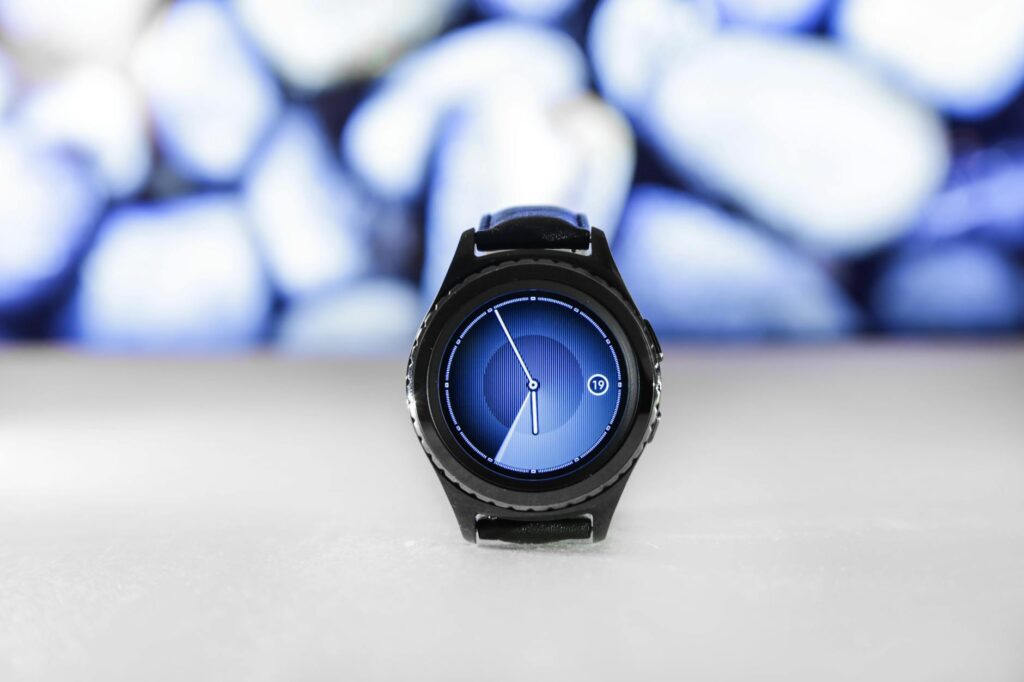
Wearable Technology Updates: What’s New and What’s Next
For the past 15 years, I’ve been hands-on with virtually every piece of wearable tech that’s hit the market. From the clunky early GPS watches that barely lasted an hour to the sleek, AI-powered companions we strap to our wrists and fingers today, the evolution has been nothing short of astonishing. I’ve seen trends come and go, tested countless beta versions, and advised businesses on how these devices integrate into broader digital strategies. This deep dive into the latest wearable technology updates isn’t just about reporting what’s new; it’s about understanding the practical implications for you, right now.
The pace of innovation in wearables is accelerating, driven by advancements in miniaturization, battery life, sensor technology, and artificial intelligence. What was once a niche market for athletes and tech enthusiasts has exploded into the mainstream, with devices now offering sophisticated health insights, seamless connectivity, and personalized experiences. Keeping up with these rapid wearable technology updates can feel like drinking from a firehose, but understanding the key shifts can unlock significant benefits for your health, productivity, and overall lifestyle.
In this post, I’ll cut through the noise and highlight the most impactful wearable technology updates. We’ll explore the latest innovations, discuss emerging trends, and provide actionable tips to help you make the most of your current devices or decide if an upgrade is right for you. My goal is to equip you with the knowledge to leverage these powerful tools effectively.
Table of Contents
- The Latest Innovations in Wearable Tech
- Emerging Trends Shaping the Future
- Practical Tips for Maximizing Your Wearables
- Common Mistakes to Avoid
- Expert Tip
- Frequently Asked Questions
The Latest Innovations in Wearable Tech
The wearable landscape is constantly buzzing with new features and improved capabilities. Here’s a look at some of the most significant recent wearable technology updates:
Advanced Health Monitoring
This is arguably the area seeing the most dramatic advancements. Beyond basic heart rate tracking, many devices now offer:
- Continuous Glucose Monitoring (CGM) Integration: While not yet mainstream in all wearables, the integration of CGM data, often through companion apps or specialized bands, is a massive step for diabetes management and metabolic health awareness. Companies are working on direct sensor integration into watches.
- Blood Pressure Monitoring: Several newer smartwatches are incorporating cuffless blood pressure monitoring, offering readings directly from the wrist. Accuracy is still a key area of development, but the convenience is undeniable.
- ECG and Irregular Heart Rhythm Detection: This feature, once exclusive to high-end models, is becoming more common, providing crucial alerts for potential atrial fibrillation (AFib).
- Sleep Tracking Sophistication: Devices are getting better at differentiating sleep stages (light, deep, REM) and identifying issues like sleep apnea through SpO2 (blood oxygen) and respiratory rate monitoring.
- Stress and Recovery Scores: Using heart rate variability (HRV) and other biometrics, wearables provide insights into your body’s stress levels and readiness for physical or mental exertion.
Enhanced Smart Features and Connectivity
Wearables are becoming more intelligent and integrated into our digital lives:
- On-Device AI Assistants: Expect more powerful, localized AI capabilities, allowing for faster responses and more complex commands without constant reliance on a smartphone connection.
- Improved Haptic Feedback: Subtle vibrations and nuanced feedback patterns are making notifications and interactions more intuitive and less intrusive.
- Contactless Payments: NFC payment capabilities are now standard on most mid-to-high-end smartwatches, making transactions quicker and more secure.
- Standalone Connectivity (LTE/5G): More watches are offering cellular connectivity, allowing them to make calls, stream music, and access data independently of a phone.
New Form Factors
Beyond the ubiquitous watch and fitness tracker, new form factors are gaining traction:
- Smart Rings: These discreet devices are focusing on health tracking (sleep, activity, temperature) and contactless payments. Oura Ring and upcoming competitor devices are pushing this category forward.
- Smart Glasses: While still evolving, smart glasses are making a comeback, focusing on augmented reality overlays, AI assistance, and discreet notifications, moving beyond niche applications.
- Hearables: Earbuds with advanced health sensors (heart rate, temperature) and AI capabilities are blurring the lines between audio devices and personal health monitors.
Emerging Trends Shaping the Future
Looking ahead, several key trends are poised to redefine what wearables can do:
Personalized Health Coaching
The data collected by wearables is becoming more actionable. Future updates will focus on AI-driven insights that don’t just report numbers but offer personalized recommendations for diet, exercise, sleep, and stress management. Imagine your watch proactively suggesting a meditation session based on your real-time stress levels or adjusting your workout plan based on your recovery status.
Proactive Disease Detection
The ability of wearables to continuously monitor vital signs opens the door for early detection of various health conditions. We’re moving from reactive health tracking to proactive wellness and potential disease prediction, with ongoing research into using wearables for early signs of infections, cardiovascular issues, and even neurological changes.
According to a study published in Nature Medicine, wearable devices were able to detect COVID-19 symptoms up to two days earlier than individuals reported symptoms themselves, highlighting the potential for early outbreak detection. Source: Nature Medicine
Seamless Ecosystem Integration
Wearables will become even more integrated into the broader smart home and digital ecosystem. Expect smoother handoffs between devices, more intuitive control of smart home appliances, and deeper connections with productivity and communication platforms.
Advanced Biometric Security
Your unique biometrics captured by wearables could become a key to unlocking devices, authorizing payments, and accessing secure information, offering a more convenient and secure alternative to passwords.
Practical Tips for Maximizing Your Wearables
Having the latest tech is one thing; using it effectively is another. Here are my tried-and-true tips:
1. Understand Your Data
Don’t just glance at your daily steps. Dig into the metrics that matter to you. If sleep is a concern, analyze your sleep stages and duration. If stress is high, look at your HRV trends. Most apps offer historical data and trend analysis – use it.
2. Calibrate and Personalize
Ensure your device is properly calibrated. For fitness trackers, this might mean inputting accurate height, weight, and stride length. For health sensors, make sure you understand what conditions might affect readings (e.g., skin temperature can fluctuate). Personalize your watch face and notifications to show you what you need, when you need it.
3. Leverage Notifications Wisely
Wearables can be a source of distraction. Customize your notifications ruthlessly. Only allow alerts from essential apps and contacts. Use vibration patterns to distinguish between different types of alerts if your device supports it.
4. Integrate with Other Apps and Services
Connect your wearable’s data to other health, fitness, or productivity apps you use. This can create a more holistic view of your well-being and habits. For example, syncing your workout data with a nutrition-tracking app provides a complete picture of your energy balance.
5. Utilize Standalone Features
If your wearable has LTE or GPS, use it! Go for a run without your phone, make a quick call from your watch, or pay for coffee with a tap. This reduces reliance on your phone and can be liberating.
6. Keep Software Updated
This sounds obvious, but many users delay or ignore software updates. These updates often contain crucial security patches, performance improvements, and new features. Prioritize installing them promptly.
EXPERT TIP
When a new wearable technology update rolls out, don’t rush to change all your settings. Instead, focus on understanding the new features first. Try them out for a week or two, see how they impact your usage, and then adjust your settings accordingly. This prevents information overload and helps you truly benefit from the update.
Common Mistakes to Avoid
Even with advanced technology, users often fall into predictable traps:
- Ignoring the Data: Buying a high-end device and then never looking at the insights it provides is a common, albeit expensive, mistake. Your wearable is a tool; use it to inform your decisions.
- Over-reliance on Metrics: While data is powerful, don’t let it dictate your life entirely. Listen to your body. If you feel tired, even if your recovery score is high, rest. If you’re hungry, eat, even if you’re within your calorie goal.
- Battery Neglect: Letting your wearable die frequently can disrupt continuous tracking and data collection, especially for sleep and overnight health metrics. Develop a consistent charging routine.
- Ignoring Accuracy Limitations: Understand that consumer-grade wearables are not medical devices (unless specifically certified). While incredibly useful for trends and general awareness, they have limitations in precision compared to clinical equipment.
Frequently Asked Questions
Q1: How often should I update my wearable’s software?
A1: It’s best to update as soon as stable updates are available. Manufacturers release updates to fix bugs, improve performance, patch security vulnerabilities, and often introduce new features. Check your device’s companion app regularly for notifications.
Q2: Can my wearable detect serious health issues?
A2: Some wearables can alert you to potential irregularities like AFib or significant changes in heart rate. However, they are not a substitute for professional medical advice or diagnosis. Always consult a doctor if you have health concerns.
Q3: Are smart rings more accurate than smartwatches for health tracking?
A3: Accuracy can vary by device and the specific metric. Rings often have a more consistent skin contact, which can benefit certain metrics like temperature and sleep. However, smartwatches offer a wider range of sensors and features. It’s best to research specific models and reviews for the metrics you care about most.
Q4: How do I ensure my wearable data is secure?
A4: Use strong, unique passwords for your wearable’s account, enable two-factor authentication if available, and keep your software updated. Review the privacy policies of the manufacturer and any connected apps to understand how your data is used and protected.
Q5: What’s the next big leap in wearable technology?
A5: The next significant leap is expected to be in personalized, proactive health insights powered by AI. Expect wearables to move beyond data collection to become true wellness coaches, offering predictive analytics and highly tailored recommendations for physical and mental well-being.
NOTE
When considering new wearable technology updates, especially those related to health metrics like blood pressure or ECG, remember to cross-reference manufacturer claims with independent reviews and, if possible, consult with a healthcare professional. Ensure the device has received appropriate regulatory clearance (e.g., FDA in the US) for medical claims.
The world of wearable technology is dynamic and exciting. By staying informed about the latest wearable technology updates and adopting a thoughtful approach to how you use these devices, you can unlock their full potential to enhance your health, productivity, and daily life. Whether you’re a seasoned tech user or just starting, the advancements available today offer unprecedented opportunities for personal insight and control.
Ready to optimize your digital life? Explore our Digital Transformation Guides[/INTERNAL_LINK] for more expert insights on leveraging technology effectively.