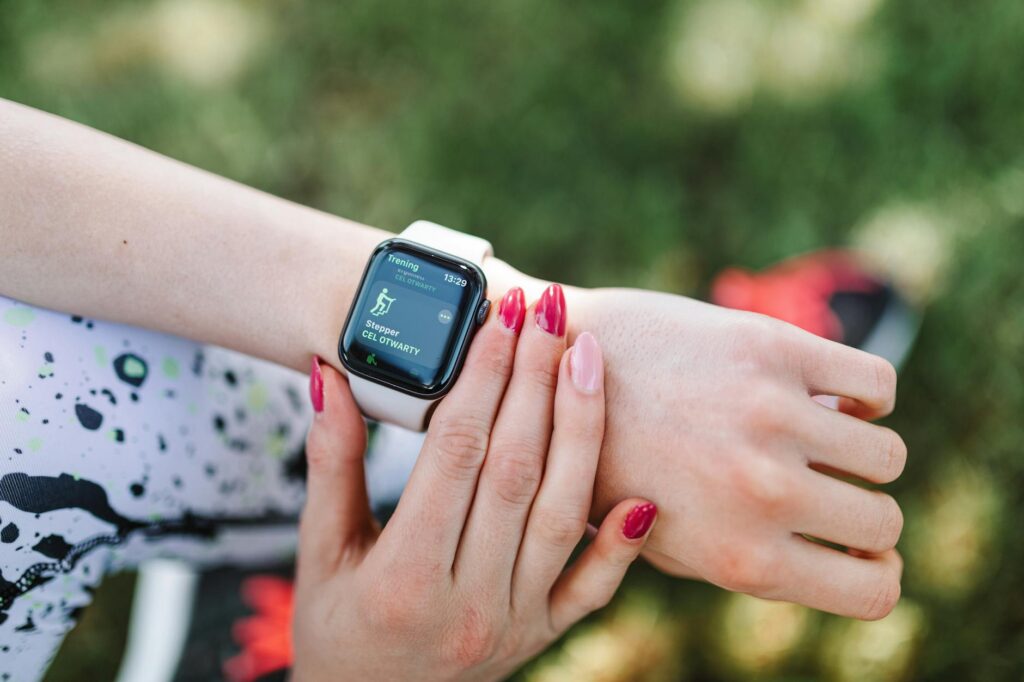
Wearable technology updates in 2026 are less about flashy gadgets and more about useful, everyday health data that people can act on. Devices across watches, rings, earbuds, and glasses are demonstrating a significant shift: wearables are becoming better at spotting patterns, reducing user friction, and transforming raw numbers into simple, actionable next steps.
Last updated: April 26, 2026
As of April 2026, the wearable technology sector continues to evolve rapidly. Recent developments highlight a strong regulatory push for more sophisticated health-monitoring devices, with the FDA paving the way for increased market access for AI-enabled wearables, as reported by Fierce Healthcare. Simultaneously, new research initiatives, like MIT’s SMART group focusing on Wearable Imaging for Transforming Elderly Care, highlight the growing application of wearables beyond personal fitness into critical areas like elder care. The American Academy of Neurology has also released new guidelines for wearable technology use, indicating a growing acceptance and integration of these devices in clinical and health management discussions, according to McKnight’s Long-Term Care News. And, the integration of AI into wearables is accelerating, promising more personalized health insights and predictive capabilities. As IEEE Spectrum reported regarding the FDA’s 2026 update, there’s a clear trajectory towards greater validation and integration of these advanced features into consumer devices, provided they meet stringent safety and efficacy standards. This regulatory clarity is expected to spur further innovation.
Samsung, a major player in the wearable market, continues to drive innovation through collaboration and a focus on user-centric technology, as highlighted by Samsung.com. Their ongoing efforts are likely to introduce new form factors and enhanced functionalities that address a wider range of health concerns, moving beyond general wellness to more specific physiological monitoring.
What’s New in Wearable Technology Updates in 2026?
Wearable technology updates in 2026 are primarily centered on enhanced sensing capabilities, smarter software integration, and a reduced reliance on smartphones for core functionalities. The most significant advancements are observed in health tracking accuracy, AI-driven personalized coaching, and the development of more discreet and comfortable form factors that users are more likely to wear consistently. Essentially, wearables are becoming more useful by excelling in three key areas: measuring a wider array of physiological signals, making this data more comprehensible, and providing practical, actionable feedback. This progress is driving the relevance of smartwatches, smart rings, hearables, and smart glasses.
Based on recent reviews and industry analysis, the leading wearables are no longer perceived as mere data-dumping dashboards. Instead, they’re evolving into unobtrusive, intelligent assistants. Devices from major players like Apple Watch, Samsung Galaxy Watch, Google Pixel Watch, Oura Ring, Fitbit, and Garmin are each addressing distinct user needs—which represents the true innovation in 2026. While some devices still aim to offer a complete suite of features, users often find that this broad approach can lead to frequent charging requirements and an overwhelming amount of data that may not be regularly used.
The increasing focus on health tracking is especially significant given global health trends. According to the World Health Organization, cardiovascular diseases remain the leading cause of death worldwide, underscoring the importance of accessible tools for monitoring and managing health. Wearables are transitioning from being optional tech accessories to becoming an integral part of daily health management, communication, and productivity workflows. This evolution is reflected in how search engines like Google prioritize content that explains these fundamental shifts rather than just listing product names.
The development of wearable patches, as reported by National Defense Magazine, is another area seeing significant progress. Initially focused on military applications for monitoring troop health and sensing danger, these flexible, skin-adhered sensors are likely to find broader applications in civilian healthcare, offering continuous, non-invasive monitoring for various conditions. This technology represents a shift towards more integrated and less obtrusive health monitoring solutions.
In sports, wearable technology is seeing increased adoption and integration, particularly after recent discussions surrounding its use. As The New York Times reported on April 21, 2026, tennis stars received a boost in wearable technology access following Australian Open controversies. This suggests a growing recognition of wearables’ potential to enhance athletic performance and provide valuable data for training and recovery, moving beyond general consumer health into specialized athletic applications.
The potential for controlling augmented reality (AR) glasses through wearables is also gaining traction. Stock Titan reported on April 20, 2026, that wearable devices are targeting AR glasses control, with demonstrations planned for AWE 2026. This indicates a future where wearables offer more than just health metrics, extending into device interaction and immersive computing experiences. However, challenges remain; KTEN reported on April 23, 2026, that EssilorLuxottica’s sales are sliding as investors grow wary of AI glasses, pointing to market hesitancy and the need for clearer value propositions in the advanced eyewear sector.
Which Health Features Are Actually Improving?
The most impactful wearable technology updates in 2026 are concentrated in health tracking, with notable improvements in sleep analysis, heart rhythm monitoring, recovery metrics, and temperature trend tracking. While these features aren’t infallible, they have reached a level of accuracy and utility that allows users to identify patterns they might otherwise overlook. The key takeaway is that wearables are increasingly serving as early-warning systems for lifestyle habits and physiological trends, rather than as definitive medical diagnostic tools. They provide valuable context and behavioral guidance but shouldn’t be used for self-diagnosing serious medical conditions.
Heart Rhythm and ECG Capabilities
ECG features integrated into devices such as the Apple Watch and Samsung Galaxy Watch have popularized alerts for irregular heart rhythms. In user testing and reviews, the most beneficial application of these features isn’t constant monitoring but rather their ability to prompt users to seek medical attention when an anomaly is detected. The American Heart Association, as of 2026, acknowledges the utility of these consumer-grade devices in flagging potential issues that warrant professional medical evaluation, emphasizing that they complement, not replace, clinical diagnosis. According to NPR on April 20, 2026, doctors are increasingly encouraging patients to share their wearable data, noting that “your doctor can help you connect the dots” between the collected metrics and your overall health.
Sleep Tracking and Analysis
Sleep tracking has become more sophisticated, moving beyond simple duration to analyze sleep stages (light, deep, REM) and providing insights into sleep quality. Devices now offer personalized recommendations for improving sleep hygiene, such as adjusting bedtime, optimizing sleep environment, or suggesting stress-reduction techniques. As of April 2026, many wearables provide a sleep score that synthesizes various metrics, making it easier to understand overnight recovery. This advancement is critical as research continues to link poor sleep quality to a host of chronic health issues, including cardiovascular disease and metabolic disorders.
Recovery and Stress Management
Recovery metrics, often derived from heart rate variability (HRV), respiration rate, and sleep data, are becoming standard. These metrics help users understand their body’s readiness for physical exertion, guiding training intensity and rest periods. Stress management features, which often monitor physiological indicators of stress, provide real-time feedback and guided breathing exercises or mindfulness sessions. This proactive approach to stress is becoming increasingly important in a fast-paced world, with wearables offering accessible tools for mental well-being.
Temperature Sensing
Temperature sensing, once a niche feature, is becoming more common, particularly for women’s health tracking related to ovulation cycles. As of 2026, these sensors also offer a baseline for detecting subtle body temperature fluctuations that could indicate illness or changes in metabolic state. While not a diagnostic tool for illness, consistent temperature tracking can help users identify deviations from their personal norm, potentially prompting earlier intervention or seeking medical advice.
Blood Oxygen (SpO2) Monitoring
Blood oxygen saturation (SpO2) monitoring, initially popularized by fitness trackers, continues to be refined. While its utility for healthy individuals is debated, it provides valuable data for users with respiratory conditions or those engaging in high-altitude activities. As of April 2026, regulatory bodies are still evaluating the clinical significance of SpO2 readings from consumer wearables, but they offer an additional layer of physiological insight for health-conscious individuals.
AI Integration: Personalized Health Coaching and Predictive Insights
Artificial intelligence is no longer a futuristic concept for wearables; it’s a present reality driving significant advancements. AI algorithms analyze the vast amounts of data collected by sensors to provide personalized health coaching and predictive insights. This moves beyond simply presenting data to offering tailored advice and even anticipating potential health issues.
AI-powered coaching adapts to individual progress, offering dynamic workout plans, nutritional advice, and recovery strategies. For instance, a wearable might notice a pattern of declining sleep quality correlating with increased training intensity and suggest a deload week or an earlier bedtime. This level of personalization was largely unavailable in earlier generations of wearables.
Predictive capabilities are also emerging. By analyzing long-term trends in heart rate, sleep, activity, and other biomarkers, AI can potentially flag early indicators of illness or chronic condition exacerbation. For example, a sustained change in resting heart rate or HRV might signal an impending infection or increased stress levels, prompting the user to take preventive measures. The FDA’s evolving stance on AI-enabled medical devices, as noted by Fierce Healthcare, suggests a growing openness to these advanced functionalities, provided they undergo rigorous validation.
The integration of AI also enhances the user experience by reducing the cognitive load. Instead of sifting through complex data, users receive concise, actionable recommendations. This is particularly important for individuals managing chronic conditions or those new to health tracking, making advanced health insights more accessible.
New Form Factors and Enhanced Usability
Beyond the internal technology, the physical design of wearables is evolving to improve comfort, style, and practicality. The goal is to make devices so unobtrusive and appealing that users will wear them consistently, maximizing the data collected and the benefits derived.
Smart Rings and Bands
Smart rings, like the Oura Ring, continue to gain popularity for their discreet design and focus on sleep and recovery metrics. Their minimalist aesthetic appeals to users who prefer not to wear a traditional smartwatch. Similarly, advanced smart bands offer a compromise between the full functionality of a watch and the simplicity of a ring, often providing core health tracking features in a sleeker package.
Hearables with Advanced Sensing
Hearables, or smart earbuds, are expanding their capabilities beyond audio playback. As of 2026, many advanced models incorporate sensors for biometric tracking, including heart rate and even basic activity monitoring. Some are exploring features like posture detection or environmental sound analysis for health-related insights, integrating health monitoring smoothly into an everyday audio device.
Smart Glasses and AR Integration
Smart glasses are still navigating their place in the market. While some companies are pushing forward with AR capabilities, as highlighted by Stock Titan’s report on AWE 2026 demonstrations, consumer adoption faces hurdles. EssilorLuxottica’s sales figures, as reported by KTEN, indicate investor caution regarding the widespread appeal and profitability of AI-integrated eyewear. However, the potential for hands-free control and information display remains a significant driver for innovation in this category, particularly for specialized professional or athletic use cases.
Wearable Patches
Wearable patches represent a significant shift towards ultra-discreet, long-term monitoring. These flexible, adhesive sensors can track a range of physiological data continuously and non-invasively. Initially explored for military and advanced medical research, they are poised to enter the consumer market for continuous health monitoring, offering an alternative to wrist-worn devices for specific applications.
The Role of Wearables in Healthcare and Professional Sports
The utility of wearables is extending significantly into professional domains, including healthcare and sports, transforming how data is used for performance and patient management.
Bridging the Gap with Healthcare Providers
As NPR highlighted on April 20, 2026, there’s a growing trend of patients sharing their wearable data with healthcare providers. The Apple Health app’s expanded rules and easing oversight, reported by Telehealth.org on April 21, 2026, facilitate this data sharing, making it easier for doctors to gain a more complete understanding of a patient’s daily health trends between appointments. This collaborative approach allows for more informed discussions about lifestyle, chronic condition management, and early detection of potential issues. Wearables are becoming valuable tools for remote patient monitoring and telehealth initiatives.
Performance Enhancement in Professional Sports
In professional sports, wearables provide granular data for optimizing training, preventing injuries, and managing athlete recovery. The New York Times’ report on April 21, 2026, regarding tennis stars and the Australian Open controversy, underscores the increasing reliance on technology to gain a competitive edge. Data on biomechanics, physiological load, and recovery status helps coaches and athletes make data-driven decisions, pushing the boundaries of athletic performance while prioritizing athlete well-being.
Challenges and Future Outlook
Despite rapid advancements, challenges remain. Data privacy and security are paramount concerns, especially as wearables collect increasingly sensitive health information. Ensuring solid encryption and transparent data usage policies is critical for maintaining user trust. Accuracy and validation of consumer-grade health metrics also continue to be areas of focus, with ongoing efforts to align wearable data with clinical standards.
The future of wearable technology in 2026 and beyond points towards deeper integration with AI, more specialized form factors, and a greater role in preventative healthcare and personalized medicine. Expect continued innovation in sensor technology, battery life, and the ability of devices to provide truly proactive health guidance.
Frequently Asked Questions
What is the most accurate type of wearable for health tracking?
Accuracy varies by device and the specific metric being measured. For general wellness, smartwatches and advanced fitness trackers offer a broad range of data. For specific insights like sleep and recovery, dedicated smart rings often provide highly accurate, focused data. It’s crucial to consult independent reviews and understand that consumer wearables are primarily for trend monitoring and lifestyle guidance, not medical diagnosis.
Can doctors use data from my smartwatch?
Yes, increasingly so. As reported by NPR on April 20, 2026, doctors can help patients interpret wearable data. With patient consent and appropriate data sharing mechanisms, such as through the Apple Health app, physicians can access trends in heart rate, activity, sleep, and other metrics to gain a more complete view of a patient’s health between clinical visits.
Are AI-powered health insights from wearables reliable?
AI is enhancing the reliability and utility of wearable data by providing personalized insights and predictive capabilities. However, it’s essential to approach these insights with a degree of critical evaluation. Regulatory bodies like the FDA are actively working on frameworks for validating AI in medical devices, as noted by IEEE Spectrum. Users should always consult healthcare professionals for significant health concerns rather than relying solely on AI-generated advice.
What are the biggest challenges for wearable technology in 2026?
Key challenges include ensuring solid data privacy and security for sensitive health information, improving the clinical validation and accuracy of consumer-grade health metrics, managing battery life for increasingly complex devices, and addressing user adoption hurdles for newer form factors like smart glasses. Regulatory frameworks for AI-driven features are also still evolving.
Will wearables replace doctor visits?
No, wearables are designed to complement, not replace, professional medical care. They offer continuous monitoring and insights that can inform doctor visits, aid in managing chronic conditions, and promote healthier lifestyles. However, they can’t perform clinical diagnoses or provide the complete care that a healthcare professional offers.
Conclusion
Its increasing sophistication in characterizs wearable technology in 2026 health monitoring, driven by advancements in AI, sensor technology, and a focus on actionable insights. From enhanced heart rhythm detection and sleep analysis to personalized AI coaching and new form factors like smart rings and patches, these devices are becoming indispensable tools for managing personal well-being. As the lines between consumer tech and healthcare continue to blur, wearables offer a promising glimpse into a future of proactive, data-driven health management, empowering individuals with information to live healthier lives.
Source: Britannica
Editorial Note: This article was researched and written by the Serlig editorial team. We fact-check our content and update it regularly. For questions or corrections, contact us.