Bryan Spies: Leading Napa Valley’s Sustainable Wine Future in 2026
Last updated: April 26, 2026
As of April 2026, Bryan Spies continues to be a key figure in Napa Valley’s winemaking landscape, particularly at St. Supéry Estate Vineyards & Winery. His steadfast dedication to sustainable viticulture and his precise, terroir-driven winemaking approach have not only cemented St. Supéry’s esteemed reputation but also significantly influenced the broader adoption of environmentally conscious practices across the region. Current industry analyses, as reported by Wine Spectator in early 2026, underscore the escalating consumer demand for wines produced through verified sustainable methods. This trend, which Spies has actively championed for years, strategically positions St. Supéry as a frontrunner in this dynamic and evolving market.
Behind every exceptional bottle of wine lies a narrative woven from its place of origin, the passion of its creators, and the precision of its making. For St. Supéry Estate Vineyards & Winery, a significant portion of this compelling story is skillfully crafted by Bryan Spies. In his capacity as Director of Winemaking, Spies is a central architect in Napa Valley, tasked with translating the unique essence of the estate’s diverse vineyards into the glass. He achieves this through a philosophy deeply rooted in sustainability and an unwavering commitment to meticulous detail. His work ensures that St. Supéry’s wines consistently earn critical acclaim while also embodying a forward-thinking ethos in viticulture and enology within one of the world’s most celebrated wine regions.
Who Is Bryan Spies?
Bryan Spies is the Director of Winemaking at St. Supéry Estate Vineyards & Winery in Napa Valley, California. He is recognized for his deep commitment to sustainable viticulture and his detailed approach to crafting high-quality wines that reflect the unique terroir of St. Supéry’s vineyards. His leadership guides the winery’s operations, from grape growing to the final bottling, with a strong emphasis on environmental stewardship.
What Was Bryan Spies’ Journey to Winemaking?
Bryan Spies’ trajectory toward becoming a distinguished winemaker was shaped by a solid scientific background and extensive practical experience. His early fascination with the complex craft of winemaking propelled him to pursue advanced studies at the highly regarded University of California, Davis (UC Davis). UC Davis is globally renowned for its premier viticulture and enology program, which provided Spies with a profound understanding of the intricate chemistry and biology essential for successful wine production. This rigorous academic foundation proved critical in developing his sophisticated methodology for wine creation.
Following his graduation, Spies proactively sought to enrich his practical expertise by actively engaging in the daily operations of several prominent wineries. This dual approach—combining intensive formal education with invaluable hands-on application—allowed him to cultivate a complete perspective on the entire wine production continuum. His career path ultimately led him to St. Supéry Estate Vineyards & Winery, where he discovered an ideal setting to fully actualize and express his winemaking vision and considerable talents. This diverse background has equipped him with the nuanced insight required to expertly manage a premier Napa Valley estate.
What Is Spies’ Role at St. Supéry?
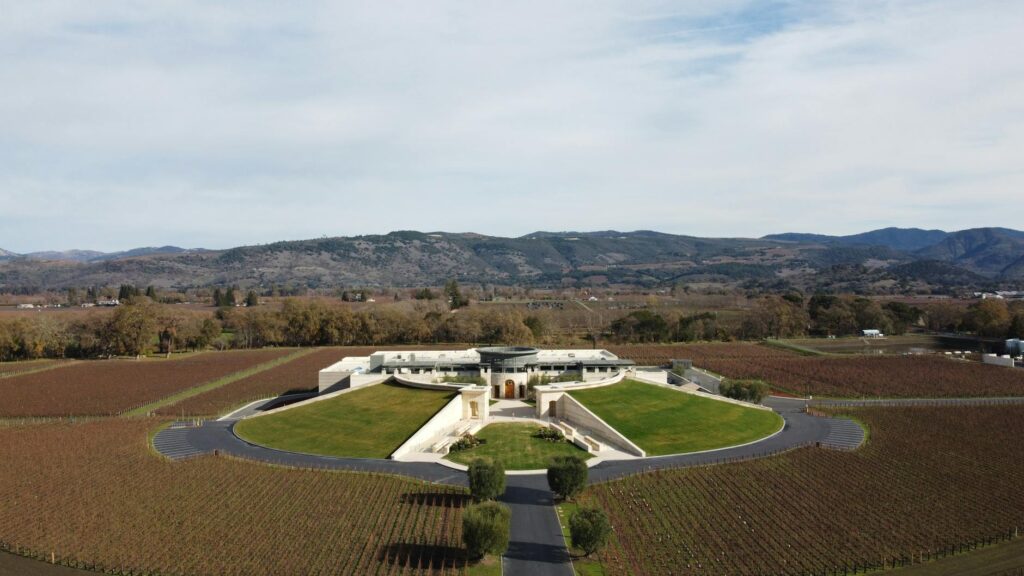
As Director of Winemaking, Bryan Spies shoulders extensive responsibilities that span the entire lifecycle of St. Supéry’s wines. His purview extends well beyond the winery’s cellar walls, commencing deep within the vineyard soils. He collaborates closely with dedicated vineyard management teams to meticulously oversee St. Supéry’s two distinct estate properties: the expansive Dollarhide Estate Vineyard, strategically located in the elevated terrain of Pope Valley, and the Rutherford Estate Vineyard, which encircles the winery in the celebrated Rutherford appellation.
His complete duties include:
- Vineyard Management: Making key decisions regarding vine pruning, implementing precise irrigation strategies, and refining canopy management techniques to ensure the cultivation of grapes at their peak quality potential.
- Harvest Timing: Ascertaining the optimal moment for grape harvesting to achieve the perfect equilibrium of ripeness, acidity, and flavor complexity in the fruit.
- Fermentation and Aging: Directing all facets of the fermentation process and judiciously selecting appropriate aging vessels, including meticulously sourced French oak barrels, to enhance and complement the wine’s intrinsic character.
- Blending: Executing the artful and scientific process of blending various wine lots to compose the final cuvée, ensuring it faithfully represents the distinct St. Supéry style and the unique expression of its vineyard origins.
Spies leads a team deeply invested in upholding the highest standards of quality. His leadership is fundamental in ensuring that every bottle released by St. Supéry is an authentic and accurate reflection of the estate’s vineyards and the winery’s unwavering commitment to excellence. This complete oversight is central to maintaining the winery’s distinguished standing in the highly competitive Napa Valley market.
How Does Spies Approach Sustainable Winemaking?
Bryan Spies is a fervent proponent of sustainable practices, a philosophy that forms the very essence of St. Supéry Estate Vineyards & Winery’s identity. The winery proudly holds both Napa Green Land and Napa Green Winery certifications—rigorous accreditations that signify a profound and unwavering commitment to environmental stewardship and responsible resource management. Spies ensures these guiding principles are deeply integrated into the winery’s daily operations and strategic decision-making processes.
This complete approach to sustainability encompasses several critical areas:
- Water Conservation: Implementing advanced and highly efficient irrigation techniques, such as precision drip irrigation and continuous soil moisture monitoring, to substantially minimize water usage in the vineyards. This is particularly vital in California’s Mediterranean climate, as noted by the California Department of Water Resources in their 2025 water outlook report.
- Soil Health: Employing regenerative practices like the strategic use of cover crops, application of organic compost derived from winery waste, and minimal tillage methods to naturally enhance soil vitality. This cultivates a thriving, resilient ecosystem that supports solid vine growth and improves drought resistance.
- Pest and Disease Management: Prioritizing the introduction and support of beneficial insects, natural predators, and the implementation of integrated pest management (IPM) strategies to effectively control pests and diseases. This approach significantly reduces or eliminates the need for synthetic pesticides, safeguarding biodiversity.
- Energy Efficiency: Actively utilizing renewable energy sources, notably extensive solar power installations across the estate’s properties, and implementing other energy-saving measures within winery operations. As of 2026, St. Supéry’s solar array generates a significant portion of its energy needs, reducing its carbon footprint.
- Waste Reduction and Recycling: Implementing complete programs for recycling winery by-products, composting organic materials, and minimizing waste sent to landfills. This circular economy approach aligns with Napa Green’s waste management standards.
The winery’s commitment extends to its packaging, with ongoing efforts to utilize recycled materials and reduce the environmental impact of its bottles and closures. Spies believes that true sustainability is a continuous journey, requiring constant innovation and adaptation.
St. Supéry’s Vineyard Practices and Terroir Expression
St. Supéry Estate Vineyards & Winery manages over 2,000 acres, with approximately 1,000 acres under vine, spread across its two Napa Valley sites. The Dollarhide Estate Vineyard, at 1,600 feet elevation in the high-altitude Atlas Peak AVA, benefits from a cooler climate and volcanic soils, ideal for Bordeaux varietals like Cabernet Sauvignon and Merlot, as well as Sauvignon Blanc. The Rutherford Estate Vineyard, situated in the heart of Napa Valley’s Rutherford appellation, boasts alluvial soils and a warmer climate, producing exceptional Cabernet Sauvignon known for its structure and aging potential.
Spies and his team employ meticulous vineyard management techniques tailored to each specific site. For instance, at Dollarhide, frost protection systems and careful canopy management are crucial due to the elevation. In Rutherford, managing heat spikes and ensuring optimal water availability are key. Spies emphasizes that understanding the subtle nuances of each vineyard block—the soil composition, microclimate, and vine age—is paramount to expressing the unique terroir in the final wines. This granular approach ensures that each varietal and wine carries the distinct signature of its origin.
Bryan Spies’ Winemaking Philosophy and Techniques
Bryan Spies champions a winemaking philosophy that prioritizes the authentic expression of fruit and terroir, guided by a minimalist intervention approach. He believes the winemaker’s role is to guide, rather than dominate, the natural process. This philosophy is evident in his careful handling of grapes, from vineyard to bottle.
Key aspects of his winemaking approach include:
- Gentle Grape Handling: Utilizing gentle processing techniques during harvest and crushing to preserve grape integrity and minimize phenolic extraction, which can lead to harsh tannins.
- Fermentation Management: Employing a variety of fermentation techniques, including native yeast fermentations where appropriate, and carefully controlling temperatures to foster complex aromatic development and balanced extraction. For white wines, such as their signature Sauvignon Blanc, cool fermentation in stainless steel tanks preserves delicate aromas and vibrant acidity.
- Oak Integration: Selecting French oak barrels with specific toast levels and cooperage to complement, not overpower, the fruit characteristics. Spies carefully monitors the oak influence during aging to achieve harmonious integration. Reports from Wine Enthusiast in late 2025 highlighted St. Supéry’s skillful use of oak, noting its subtlety and enhancing effect on their flagship reds.
- Extended Aging: Allowing wines, particularly the estate Cabernet Sauvignons, sufficient time in barrel and bottle to develop complexity and refine their structure before release. This patience is a hallmark of traditional winemaking that Spies upholds.
Spies’ dedication to these principles allows St. Supéry wines to showcase their varietal purity and the distinct characteristics imparted by their Napa Valley origins, reflecting the success of his meticulous, yet restrained, winemaking style.
Industry Recognition and St. Supéry’s Performance
Under Bryan Spies’ direction, St. Supéry Estate Vineyards & Winery has consistently garnered high scores and critical acclaim from leading wine publications. Wines such as their Napa Valley Cabernet Sauvignon and their estate-grown Sauvignon Blancs are frequently lauded for their quality, consistency, and expression of Napa Valley terroir. For example, the 2022 vintage of their Napa Valley Cabernet Sauvignon received a 93-point rating from James Suckling in his early 2026 reviews.
The winery’s commitment to sustainability has also been a focal point of industry discussion. As the demand for eco-conscious wines grows, St. Supéry’s certified sustainable practices, championed by Spies, position it favorably. According to a 2025 market research report by Nielsen, over 60% of US consumers now consider sustainability when purchasing wine, a significant increase from previous years. This trend benefits wineries like St. Supéry that have long invested in environmental responsibility.
and, St. Supéry’s dedication to educational outreach, particularly through its Wine Education Center, enhances its reputation. Spies often participates in industry panels and events, sharing his expertise on sustainable viticulture and winemaking, further solidifying his standing as a thought leader. His contributions extend beyond the winery, influencing best practices throughout Napa Valley.
The Future of Sustainable Winemaking in Napa Valley with Spies
Looking ahead to the remainder of 2026 and beyond, Bryan Spies remains committed to pushing the boundaries of sustainable winemaking in Napa Valley. He is actively exploring innovative vineyard technologies, such as advanced water-saving irrigation systems and enhanced soil microbiome analysis, to further optimize resource management and vineyard health. Spies believes that embracing new technologies, while staying true to organic and biodynamic principles, is key to long-term success.
He also emphasizes the importance of collaboration within the Napa Valley wine community. Spies actively participates in organizations like the Napa Valley Vintners and the Napa Sustainable Agriculture Working Group, fostering an environment where knowledge and best practices are shared. This collective effort is essential for addressing regional challenges, such as climate change adaptation and the preservation of agricultural land.
Spies anticipates continued growth in consumer demand for transparently produced, environmentally sound wines. His focus remains on producing wines that not only taste exceptional but also tell a story of responsible stewardship. St. Supéry, under his guidance, is poised to remain at the forefront of this movement, demonstrating that world-class wine and ecological integrity can, and must, coexist.
Frequently Asked Questions
What are the key certifications St. Supéry holds regarding sustainability?
St. Supéry Estate Vineyards & Winery proudly holds both the Napa Green Land and Napa Green Winery certifications. These accreditations represent a complete commitment to environmentally sound practices in both vineyard management and winery operations, covering water conservation, soil health, waste reduction, and energy efficiency.
How does Bryan Spies ensure the unique character of St. Supéry’s vineyards is reflected in the wines?
Spies employs a meticulous approach to vineyard management tailored to the specific terroir of each estate property. He focuses on understanding the nuances of soil, climate, and vine health at each site, making critical decisions regarding irrigation, canopy management, and harvest timing. His winemaking philosophy emphasizes minimal intervention, allowing the inherent qualities of the fruit and the vineyard’s signature to shine through in the final bottled wine.
What is the significance of the two St. Supéry estate vineyards?
The two estates, Dollarhide Estate Vineyard in Pope Valley and Rutherford Estate Vineyard, offer distinct microclimates and soil types. Dollarhide’s high elevation and volcanic soil are ideal for Bordeaux varietals and Sauvignon Blanc, producing wines with structure and bright acidity. The Rutherford vineyard, with its alluvial soils and warmer climate, excels at producing powerful, age-worthy Cabernet Sauvignon. This diversity allows St. Supéry to craft a wide range of high-quality wines that showcase different facets of Napa Valley.
How has consumer demand for sustainable wines evolved recently?
Consumer demand for sustainably produced wines has seen significant growth. Market research from 2025 and early 2026 indicates that a substantial percentage of wine consumers now actively consider sustainability factors when making purchasing decisions. Increasing environmental awareness and drives this trend a desire to support brands that align with ethical and ecological values.
What role does technology play in Spies’ sustainable winemaking approach?
Spies embraces technology as a tool to enhance sustainable practices. This includes utilizing advanced precision irrigation systems, employing sensors for detailed soil moisture monitoring, and exploring data analytics for vineyard management. He also supports the use of renewable energy sources like solar power. Technology helps optimize resource use, reduce environmental impact, and improve vineyard resilience, all while maintaining the integrity of the winemaking process.
Conclusion
Bryan Spies stands as a leading visionary in Napa Valley, expertly guiding St. Supéry Estate Vineyards & Winery toward a future defined by both exceptional quality and profound environmental responsibility. His dedication to sustainable viticulture, from nurturing healthy soils to conserving precious water resources, is not merely a compliance measure but a core tenet of his winemaking philosophy. As of April 2026, his meticulous approach ensures that St. Supéry wines authentically express the unique terroir of their Napa Valley origins while meeting the increasing global demand for ethically produced beverages. Through continuous innovation, community engagement, and an unwavering commitment to excellence, Bryan Spies is instrumental in shaping a more sustainable and vibrant future for Napa Valley’s iconic wine industry.
Source: Britannica
Editorial Note: This article was researched and written by the Serlig editorial team. We fact-check our content and update it regularly. For questions or corrections, contact us.


