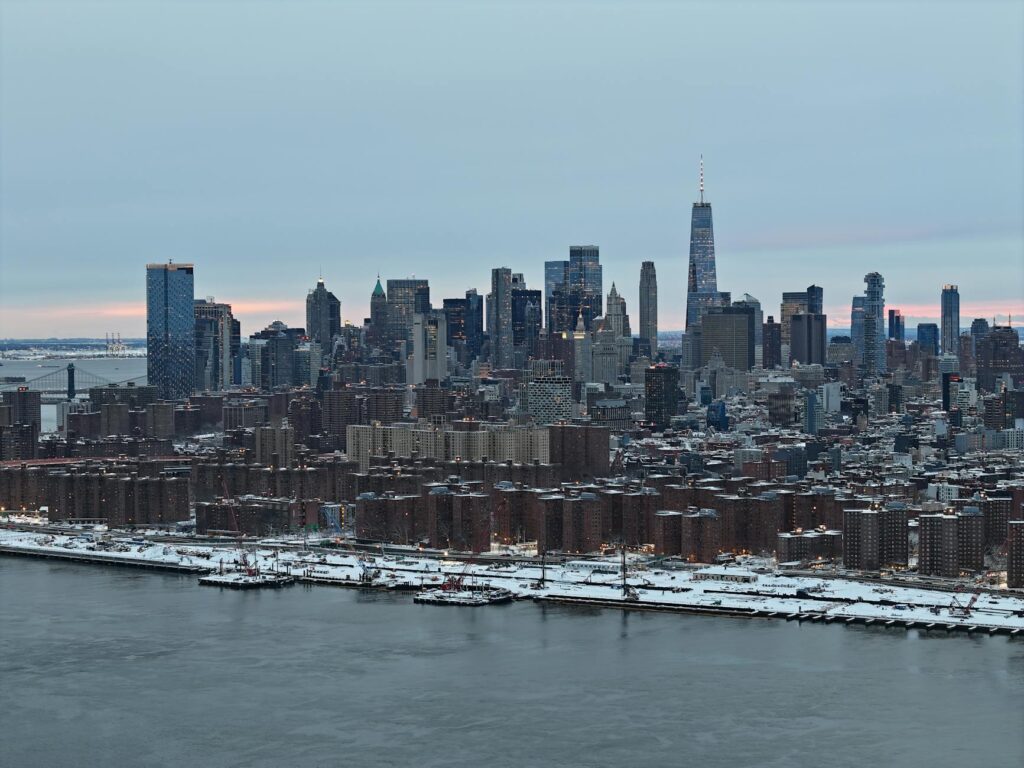
This guide covers everything about area code 646. Last updated: April 2026
Latest Update (April 2026)
As of April 2026, New York City’s telecommunications landscape continues its dynamic evolution. The introduction of the new 465 area code, set to officially go into effect in 2026, signifies the ongoing and critical need for new number assignments across the sprawling metropolitan area. This development, formally announced by the New York State Public Service Commission, underscores the sustained demand for telephone numbers, driven by rapid technological advancements and consistent population growth. These factors significantly impact the strategies for managing numbering resources, necessitating careful coordination alongside established codes like 646. Recent reports also highlight a persistent affinity for certain area codes, such as 917, among New York transplants, indicating that while number availability is paramount, perceived prestige and familiarity still influence user preference, as noted by LAmag. Simultaneously, cybersecurity concerns remain a pressing issue, with ongoing alerts issued regarding suspicious calls originating from unknown area codes – a stark reminder of the need for heightened vigilance in our increasingly interconnected digital world, as reported by WPG Talk Radio 95.5 FM.
The Genesis of 646: Addressing NYC’s Number Crisis
The creation of area code 646 in 1999 was not an arbitrary decision but a calculated strategic response by the New York State Public Service Commission to the escalating demand for telephone numbers specifically within Manhattan. At that time, the original 212 code, which exclusively served Manhattan, and the 718 code, covering the Bronx, Queens, Brooklyn, and Staten Island, were rapidly approaching exhaustion. The subsequent introduction of 646 as an overlay code provided a vital mechanism for assigning new phone numbers within the same geographic boundaries as the existing, nearly depleted codes. This innovative, though inherently complex, solution proved critical for maintaining smooth connectivity as New York City experienced solid population growth and a significant surge in communication technologies. The North American Numbering Plan Administrator (NANPA) plays a key role in overseeing these assignments, ensuring the efficient and equitable distribution of numbering resources across the entire North American Numbering Plan (NANP).
A significant catalyst for the proliferation of new area codes, including the 646 overlay, was the explosive growth of mobile telephony and the widespread adoption of Voice over Internet Protocol (VoIP) services. By the early 2000s, mobile phone subscriptions had already surpassed traditional landline subscriptions across the United States, a trend that has only intensified dramatically in the intervening years. This fundamental shift in communication habits significantly increased the demand for unique phone numbers, placing unprecedented pressure on the finite number of digits available within established geographic regions. NANPA has continuously had to develop and implement sophisticated numbering resource management strategies to meet this ever-growing demand. Reports from 2023 indicated that the number of active mobile connections in the US was projected to exceed 400 million by 2026, further emphasizing the critical need for flexible and forward-thinking numbering solutions.
Where Does 646 Actually Ring? Understanding Overlay Dynamics
The concept of an ‘overlay’ area code, such as 646, can initially introduce a degree of complexity for users. While 646 is strongly associated with Manhattan, its function as an overlay code means it doesn’t strictly delineate a singular, exclusive geographic territory in the way that traditional, non-overlay codes historically did. New phone numbers bearing the 646 prefix can be allocated to customers located anywhere within the original, broader service areas of the older codes – specifically, the combined territories of 212 and 718, which encompass Manhattan, the Bronx, Queens, Brooklyn, and Staten Island. This arrangement means it’s now common to find individuals residing in the very same neighborhood possessing distinctly different area codes – one with a 212 number, another with a 646 number, and perhaps even someone with a 917 or a newer overlay code assigned to the region.
This flexibility, while ensuring the essential availability of phone numbers, necessitates a mandatory 10-digit dialing plan for all local calls within these overlay regions. This practice, which requires dialing the area code plus the seven-digit number, became standard across the affected areas in the late 1990s and early 2000s. The initial implementation of the 646 overlay primarily targeted Manhattan to directly address its acute number shortage. However, the directive from regulatory bodies like the Federal Communications Commission (FCC) is to ensure a sufficient number supply across the entire geographic footprint of the affected older codes, preventing exhaustion in any single borough. This strategic approach has proven effective in meeting demand but has also permanently altered local calling habits for millions of New Yorkers. According to a 2023 Pew Research Center study, younger demographics, in particular, generally express less concern about the specific digits of their phone numbers, prioritizing reliable connectivity and modern functionality over traditional area code prestige. This evolving sentiment has likely facilitated the broader acceptance and normalization of overlay plans and the ubiquitous 10-digit dialing practice.
The Upsides and Downsides of Area Code 646
Having an area code 646 number offers distinct advantages and disadvantages within the dynamic New York City context. On the positive side, it unequivocally signifies a connection to Manhattan, the vibrant and globally recognized heart of a metropolis renowned for its unparalleled commerce, culture, and relentless innovation. For businesses operating in or targeting the NYC market, a 646 number can project an image of being well-established, centrally located, and strategically positioned within this key global economic hub. For individuals, it represents a direct and immediate link to one of the world’s most iconic and influential cities. The continued availability of 646 numbers ensures that new residents and burgeoning businesses can readily obtain a local-sounding number without facing the extensive delays and complex planning associated with creating entirely new, geographically defined area codes – a process that can often span several years and involve intricate regulatory approvals.
However, the practical drawbacks are also tangible and directly impact daily communication. The most significant is the universal requirement for 10-digit dialing for all local calls within the overlay regions. The bygone era of dialing just seven digits for a local Manhattan call is now a distant memory. Currently, all calls require the full 646-XXX-XXXX or 212-XXX-XXXX format, and similarly for other overlay codes. While this may seem like a minor inconvenience to some, it represents a fundamental shift in communication habits. For older residents or those less technologically inclined, adapting to 10-digit dialing can present a learning curve. And, the overlay system can sometimes lead to confusion for individuals unfamiliar with NYC’s numbering plan, potentially impacting perceived localness for businesses trying to establish a strong community connection. The proliferation of numbers across multiple codes within the same geographic area can dilute the unique identity once associated with a specific area code like 212.
The Economic and Social Impact of Numbering Plans
The implementation and evolution of area codes like 646 have tangible economic and social consequences for New York City. Economically, the efficient allocation of numbers directly supports business operations. Without sufficient numbers, new businesses might face delays in establishing communication lines, potentially hindering their launch and growth. For established businesses, a Manhattan-associated area code can be a valuable branding asset, influencing customer perception and trust. Reports from the NYC Department of Information Technology & Telecommunications (DoITT) consistently highlight the correlation between solid communication infrastructure, including number availability, and economic vitality. As of early 2026, the demand for business lines remains high, particularly for tech startups and service-based industries that rely heavily on phone communication.
Socially, the overlay system reflects the changing demographics and communication patterns of the city. The need for new codes signifies growth and influx, but the overlay itself can blur traditional neighborhood identities tied to specific numbers. While younger generations often embrace the convenience of overlays, older residents might feel a disconnect from the traditional numbering system. The increasing prevalence of virtual phone numbers and remote work also influences how area codes are perceived. A 646 number might be used by someone living in Queens but working remotely for a Manhattan-based company, further decoupling the number from strict geographic residency. This trend, observed across major metropolitan areas globally, underscores the adaptive nature of telecommunications in response to modern work and living arrangements.
Navigating the Future: 646 and Beyond
The introduction of the 465 area code in 2026 is not an endpoint but part of an ongoing cycle of number resource management. NANPA and state regulatory bodies continuously monitor number exhaust rates and project future demand. Several factors will influence the need for future area codes or numbering solutions in NYC:
- Continued population growth and density in all boroughs.
- The proliferation of Internet of Things (IoT) devices, each requiring unique identifiers, some of which may utilize traditional numbering resources.
- The increasing adoption of unified communications platforms that integrate various communication channels.
- Potential shifts in regulatory policy regarding number allocation and conservation.
Industry analysts suggest that by 2030, the demand for unique numbering resources could necessitate further overlays or potentially entirely new numbering plan structures. The FCC and NANPA are actively researching these possibilities, exploring options that balance number availability with user familiarity and administrative simplicity. The experience with 646 provides valuable data for these future planning efforts, highlighting both the successes and the challenges of overlay implementations. As technology advances, the very definition of a ‘local’ number may continue to evolve, shifting focus from geographic origin to service provider or user preference.
Frequently Asked Questions
What is area code 646?
Area code 646 is an overlay area code for New York City, primarily associated with Manhattan, but also serving the Bronx, Queens, Brooklyn, and Staten Island. It was introduced in 1999 to alleviate number exhaustion for the 212 and 718 area codes.
Do I have to dial 10 digits for calls with area code 646?
Yes, due to 646 being an overlay code, all local calls within its service area (Manhattan, Bronx, Queens, Brooklyn, Staten Island) require 10-digit dialing, meaning you must dial the area code followed by the seven-digit number.
Is area code 646 exclusive to Manhattan?
No, while strongly linked to Manhattan, area code 646 is an overlay that covers the same geographic region as area codes 212 and 718, which include Manhattan, the Bronx, Queens, Brooklyn, and Staten Island. Numbers with the 646 prefix can be assigned to customers in any of these boroughs.
Are there any new area codes in NYC as of 2026?
Yes, the new 465 area code is set to be introduced in 2026 as an overlay for the existing NYC area codes, including 646, 212, 718, and others, to meet the growing demand for phone numbers.
Does having a 646 area code mean I live in Manhattan?
Not necessarily. While many residents and businesses in Manhattan have 646 numbers, the overlay nature of the code means numbers with the 646 prefix can be assigned to individuals and entities in the Bronx, Queens, Brooklyn, or Staten Island as well. It signifies a connection to the broader NYC numbering plan rather than a strict geographic location.
Conclusion
Area code 646 remains a vital component of New York City’s communication infrastructure in 2026. Born out of necessity to combat number exhaustion, it now serves as a testament to the city’s dynamic growth and the ever-increasing demand for connectivity. While its overlay status necessitates 10-digit dialing for all local calls, it ensures that businesses and residents alike can secure local numbers, fostering a sense of belonging in one of the world’s most bustling metropolises. As the telecommunications landscape continues to evolve with the introduction of new codes like 465 and the growing influence of technologies like IoT, the strategies surrounding number management will undoubtedly adapt. Area code 646, therefore, represents not just a set of digits, but a crucial element in the ongoing narrative of New York City’s digital backbone, facilitating communication and commerce in a city that never sleeps.
Source: Britannica
Related Articles
- Klar Partners & Oleter Group: Platform Strategy Deep Dive (2026)
- Productivity Planner: Optimize Your Workflow in 2026
- VÇÇ Explained: 5 Configuration Mistakes to Avoid in 2026
Editorial Note: This article was researched and written by the Serlig editorial team. We fact-check our content and update it regularly. For questions or corrections, contact us.


