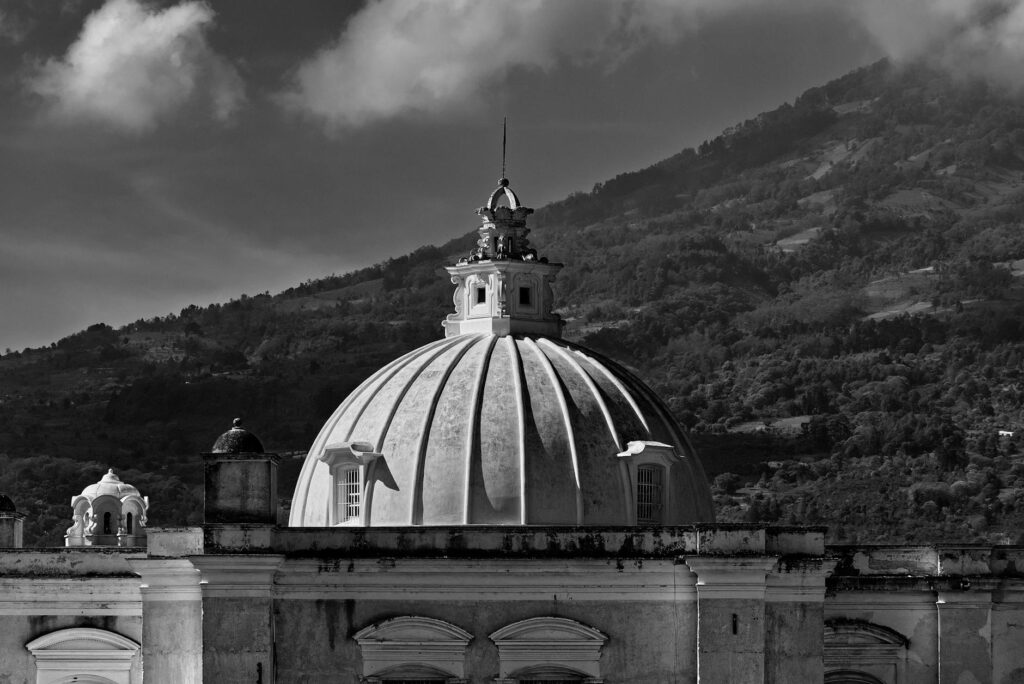
Antigua Guatemala: A Living Colonial Masterpiece
Latest Update (April 2026)
As of April 2026, Antigua Guatemala continues to solidify its reputation as a premier cultural and adventure tourism hub. Recent reports indicate a strong rebound in international tourism, with visitors drawn to the city’s unique blend of historical preservation and natural splendor. According to en.travel2latam.com, Guatemala is actively showcasing its diversity as a complete destination for events and tourism experiences in 2026. This renewed focus is expected to bring more cultural festivals and international gatherings to Antigua, further enriching the visitor experience. While the primary attractions remain its colonial architecture and volcanic landscapes, there’s an increasing emphasis on sustainable tourism practices and community-based initiatives, ensuring that the city’s heritage is preserved for future generations. The local tourism board reports a significant uptick in bookings for adventure tours and cultural immersion programs, signaling a solid recovery post-pandemic.
What Makes Antigua Guatemala a UNESCO World Heritage Site?
Antigua Guatemala’s designation as a UNESCO World Heritage site in 1979 recognizes its outstanding universal value as a preserved example of Spanish colonial urban planning and architecture. The city’s layout, characterized by a grid system of streets, remains largely intact, reflecting the urban ideals of the 16th century. Its numerous churches, convents, and public buildings, many of which are now romantic ruins due to frequent seismic activity—most notably the devastating earthquake of 1773—still showcase the grandeur and artistic sophistication of the colonial era. According to UNESCO’s latest conservation assessments (as of 2026, with ongoing monitoring), the site’s conservation status is critically important, with continuous efforts to protect its architectural integrity and cultural significance from modern pressures and environmental factors. The preservation efforts in 2026 focus on reinforcing structures against seismic threats and managing the impact of increasing visitor numbers while maintaining the authentic historical atmosphere.
Is Antigua Guatemala Safe for Tourists in 2026?
According to Berkshire Hathaway Travel Protection’s 2026 travel safety index, Guatemala, including Antigua, is considered a safe destination for travelers in 2026, though standard precautions are always advised. Like any popular tourist locale, petty crime can occur, but violent crime targeting tourists is rare. The local authorities and the dedicated tourism sector are committed to ensuring visitor safety, and most travelers report feeling secure and welcome. Maintaining awareness of your surroundings, securing your belongings, and adhering to common travel safety practices are key to a worry-free and enjoyable visit. Travelers can further enhance their safety by staying informed about local conditions and utilizing reputable tour operators. The Ministry of Tourism actively promotes safety guidelines and provides up-to-date information through official channels.
Exploring Antigua Guatemala’s Rich History and Architecture
The Colonial Legacy: From Capital to Cultural Hub
Antigua Guatemala served as the third capital of the Kingdom of Guatemala, a prestigious position it held for over two centuries, from its founding in 1542 until the devastating earthquake of 1773. This extended period allowed for the flourishing of a distinct colonial architectural style, characterized by thick walls, low arches, and ornate facades designed to withstand the region’s seismic activity. Even in their ruined state, the churches and monasteries, such as the Convento de Santa Clara and the Cathedral of Santiago, convey a profound sense of past grandeur and architectural ambition. The city’s iconic grid-like street plan, a direct testament to the Spanish ‘Laws of the Indies’ for urban planning, remains a defining feature today. This historical framework is meticulously maintained, making a stroll through Antigua feel like walking through a living museum — where every corner reveals a piece of history. The ongoing restoration projects, funded by international heritage organizations and local government initiatives in 2026, ensure that these historical structures continue to stand as testaments to Antigua’s past.
Architectural Marvels and Their Stories
The city is generously dotted with architectural gems, each with a unique story to tell. The Arco de Santa Catalina, instantly recognizable by its iconic yellow arch, was originally constructed to connect the Santa Catalina convent to a church across the street, allowing nuns to move between the two locations without venturing outdoors. Today, it stands as Antigua’s most famous landmark and a beloved photo opportunity. The ruins of the Iglesia y Convento de San Francisco, once one of the most significant religious complexes in the region, offer a hauntingly beautiful glimpse into the past, with its expansive courtyards and partially preserved structures inviting contemplation. The Palacio de los Capitanes Generales, now home to government offices and the Colonial Museum, stands as a prominent example of civil colonial architecture, showcasing the administrative power of the era. Visitors can observe a fascinating blend of styles, from the elaborate Baroque to the more restrained Neoclassical, with each building serving as a testament to the skilled artisans and architects of its time. In 2026, guided architectural tours are more popular than ever, offering in-depth insights into the history and construction techniques of these enduring monuments.
Experiencing Antigua Guatemala’s Natural Beauty and Surroundings
The Majestic Volcanoes: Guardians of the Valley
The omnipresent volcanoes are an integral part of Antigua Guatemala’s identity and enduring allure. Volcán de Agua, the most visually dominant, stands sentinel to the south, its perfectly symmetrical cone a constant, awe-inspiring backdrop to the city. To the west lie the more geologically active Volcán de Fuego and Volcán de Acatenango. Fuego is renowned for its near-constant, albeit usually minor, strombolian eruptions, providing a dramatic and often mesmerizing spectacle, especially visible at night when its fiery glow illuminates the sky. For the truly adventurous, a guided overnight trek to the summit of Acatenango to witness Fuego’s eruptions up close is an unforgettable, bucket-list experience. According to national park advisories updated in April 2026, conditions for these challenging hikes can change rapidly due to volcanic activity and weather patterns, emphasizing the need for experienced guides and preparedness. Hikers should always check the latest advisories from the National Institute of Seismology, Volcanology, Meteorology, and Hydrology (INSIVUMEH) before embarking on any volcanic trek.
Adventure Activities Beyond the City
Antigua’s natural surroundings offer a plethora of adventure activities. Beyond volcano hiking, visitors can explore the region through mountain biking tours that wind through coffee plantations and rural villages, offering stunning vistas. Ziplining adventures are available in nearby ecological parks, providing an exhilarating perspective of the cloud forest canopy. For those seeking a more relaxed pace, guided tours to local coffee fincas offer insights into the cultivation and production of one of Guatemala’s most famous exports, often including tastings. Birdwatching enthusiasts can find diverse species in the surrounding forests, particularly in the cloud forest reserves. As of 2026, sustainable ecotourism operators are increasingly prominent, offering tours that minimize environmental impact and support local communities. These operators often provide educational components, enhancing the visitor’s understanding of the local ecosystem and culture.
Coffee Culture: A Guatemalan Essential
Guatemala is world-renowned for its high-quality coffee, and Antigua is at the heart of this legacy. The fertile volcanic soil and ideal climate create perfect conditions for growing Arabica beans. As of April 2026, numerous coffee farms, or ‘fincas,’ surrounding the city welcome visitors for tours. These tours typically detail the entire process, from bean to cup, including harvesting, washing, drying, and roasting. Many fincas offer tasting sessions where you can savor the distinct flavor profiles of Antigua’s coffee, often described as rich, complex, and aromatic with chocolate and spice notes. Popular fincas like Finca Filadelfia and Finca El Paraiso offer complete experiences, from educational walks through the plantations to immersive tasting workshops. Supporting these local producers is a direct way to contribute to the Guatemalan economy and experience an authentic aspect of its culture.
Culinary Delights in Antigua Guatemala
Traditional Guatemalan Cuisine
Antigua offers a vibrant culinary scene, showcasing traditional Guatemalan dishes with a colonial twist. Staples include ‘Pepian,’ a rich, savory stew often made with chicken or beef, seasoned with pumpkin seeds, sesame seeds, and various spices; ‘Jocón,’ a tomatillo-based chicken stew; and ‘Kak’ik,’ a flavorful turkey soup spiced with achiote and chili. Corn is fundamental, appearing in tortillas, tamales, and ‘atol’ (a warm corn-based beverage). For dessert, ‘Rellenitos’ (plantain pastries filled with black beans and cinnamon) and ‘Molletes’ (sweet bread soaked in custard and fried) are local favorites. Many restaurants in Antigua pride themselves on using fresh, locally sourced ingredients, reflecting the agricultural richness of the region.
Dining Experiences for Every Palate
From charming street food stalls to upscale restaurants, Antigua caters to all tastes and budgets. For an authentic local experience, seek out ‘comedores’ that serve traditional ‘platos del día’ (plates of the day) at affordable prices. Restaurants like Caoba Organic Cafe and Por Que No offer farm-to-table experiences with international and fusion dishes, emphasizing organic and local produce. For fine dining with a view, consider establishments that offer rooftop terraces overlooking the city and volcanoes. Exploring the local markets, such as the Mercado de Artesanías and the main municipal market, is also a culinary adventure, offering everything from fresh produce and spices to prepared meals and local snacks. The coffee shops are plentiful, serving the region’s renowned brew alongside pastries and light meals.
Cultural Immersion and Local Life
Festivals and Celebrations
Antigua Guatemala comes alive during its many festivals. Semana Santa (Holy Week) is perhaps the most famous, with elaborate processions featuring religious floats adorned with flowers, marching bands, and penitents in solemn attire. The streets are covered in intricate carpets made of sawdust, flowers, and fruits, which are destroyed by the processions, symbolizing sacrifice and renewal. This event draws huge crowds and requires booking accommodations well in advance. Other significant celebrations include the Day of the Dead (Día de los Muertos) in November, marked by kite flying and family gatherings, and the Antigua Music Festival in July, showcasing local and international talent. As of 2026, there’s a growing trend towards smaller, community-focused events that highlight traditional crafts and music throughout the year, offering a more intimate cultural experience.
Artisan Crafts and Shopping
Antigua is a shopper’s paradise for unique handicrafts. Look for intricately woven textiles, colorful pottery, carved wooden items, leather goods, and traditional jewelry. The Mercado de Artesanías is a primary hub for these goods, where you can find a wide variety of items. Many smaller shops and galleries throughout the city also showcase the work of local artists and artisans. When purchasing textiles, pay attention to the quality of the weaving and the natural dyes used. Haggling is common in the markets, but always do so respectfully. Supporting local artisans directly ensures that traditional craft techniques are preserved and that the artisans receive fair compensation for their work. As of 2026, there’s an increasing number of boutiques focusing on high-quality, contemporary designs inspired by traditional Guatemalan motifs.
Getting Around Antigua Guatemala
Transportation Options
Within Antigua’s compact city center, walking is the most enjoyable and practical way to get around. The cobblestone streets and pedestrian-friendly layout make exploring on foot a delight. For longer distances or reaching nearby attractions, ‘tuk-tuks’ (motorized rickshaws) are readily available and offer a fun, local experience. Negotiate the fare before starting your journey. ‘Colectivos’ (shared minivans) are an economical option for traveling to surrounding towns and even to Guatemala City’s airport. For more comfort and direct service, private taxis and shuttle services can be arranged through your hotel or local tour operators. Many visitors opt for shuttle services for airport transfers due to their reliability and convenience.
Navigating from Guatemala City
The primary gateway to Antigua is La Aurora International Airport (GUA) in Guatemala City. The journey from the airport to Antigua takes approximately 1 to 1.5 hours, depending on traffic. Several transportation options are available:
- Shuttle Services: Pre-booked shared or private shuttles are the most popular and convenient choice. They offer door-to-door service and operate on regular schedules. Companies like Adrenalina Tours and GuateGo are well-regarded as of 2026.
- Taxis: Official airport taxis are available, but it’s advisable to agree on a price beforehand or opt for a taxi arranged by your accommodation.
- Colectivos: For the budget-conscious traveler, you can take a taxi or shuttle to a specific point in Guatemala City (like the bus terminal) and then catch a ‘colectivo’ to Antigua. This requires more effort and navigation.
it’s recommended to book airport transfers in advance, especially during peak tourist seasons, to ensure availability and competitive pricing.
Frequently Asked Questions
What is the best time of year to visit Antigua Guatemala?
The dry season, from November to April, is generally considered the best time to visit Antigua Guatemala. This period offers sunny days and cooler temperatures, ideal for exploring the city and surrounding natural attractions. However, it’s also the peak tourist season, so expect larger crowds and higher prices. The shoulder seasons (May-June and September-October) offer a good balance of pleasant weather and fewer tourists, though occasional rain showers are more likely. As of April 2026, travel advisories suggest that even during the rainy season, showers are often brief and don’t significantly disrupt travel plans.
How many days are recommended for a visit to Antigua?
A minimum of 3 to 4 days is recommended to experience the highlights of Antigua Guatemala, including its historical sites, local markets, and a taste of the surrounding nature. For a more in-depth exploration, including volcano hikes and day trips to nearby attractions like Pacaya Volcano or Lake Atitlán (though Lake Atitlán is a separate destination requiring more time), 5 to 7 days would allow for a more relaxed and complete visit.
What currency is used in Antigua Guatemala?
The official currency is the Guatemalan Quetzal (GTQ). While US dollars are sometimes accepted in tourist-oriented establishments, it’s best to use Quetzales for most transactions, especially in local markets and smaller businesses. ATMs are widely available in Antigua, and credit cards are accepted in many hotels, restaurants, and larger shops. It’s advisable to carry some cash for smaller purchases and local transport.
Is it easy to find vegetarian or vegan food options?
Yes, Antigua has become increasingly accommodating to vegetarian and vegan diets. Many restaurants, particularly those focusing on international or health-conscious cuisine, offer dedicated vegetarian and vegan options on their menus. Look for establishments that emphasize fresh, local ingredients, as they are often more flexible in adapting dishes. Cafes and juice bars are also great places to find lighter, plant-based meals and snacks. As of 2026, numerous eateries clearly label their vegan offerings.
What should I pack for a trip to Antigua Guatemala?
Pack light, comfortable clothing suitable for warm days and cooler evenings. Layers are recommended, especially if you plan on hiking volcanoes, as temperatures can drop significantly at higher altitudes. Essential items include comfortable walking shoes, a rain jacket or umbrella (especially outside the dry season), sunscreen, insect repellent, a hat, and a reusable water bottle. For visiting churches and religious sites, modest attire (covering shoulders and knees) is appreciated. Don’t forget a camera to capture the stunning scenery and architecture.
Conclusion
Antigua Guatemala remains a captivating destination in 2026, offering an unparalleled blend of rich history, stunning colonial architecture, and breathtaking natural landscapes. Its UNESCO World Heritage status is well-deserved, providing visitors with a unique opportunity to step back in time while enjoying modern comforts and adventure. Whether you are drawn by the allure of its volcanic peaks, the charm of its cobblestone streets, or the warmth of its culture, Antigua promises an unforgettable travel experience. Plan your visit to this living colonial masterpiece and discover why it continues to enchant travelers from around the globe.
Source: Lonely Planet
Editorial Note: This article was researched and written by the Serlig editorial team. We fact-check our content and update it regularly. For questions or corrections, contact us.


