This guide covers everything about area code is 515. Explore Central Iowa: Area Code 515 in 2026
Last updated: April 26, 2026
Latest Update (April 2026)
As of April 2026, Central Iowa continues to experience steady growth, making area code 515 a vital part of the region’s identity. Recent developments highlight the area’s cultural and educational vibrancy. For instance, a collaborative map project launched by Central Iowa Libraries aims to connect communities through shared resources, as reported by WHO13.com on April 19, 2026. This initiative underscores the region’s commitment to accessible information and community engagement. And, the aesthetic appeal of Iowa’s main streetscapes, including those within the 515 region, is gaining wider recognition. WorldAtlas highlighted several picturesque locations on March 29, 2026, showcasing the area’s charm beyond its urban centers. These recent updates reflect an ongoing narrative of community development and regional pride within the 515 area code.
Where’s the 515 Area Code Located?
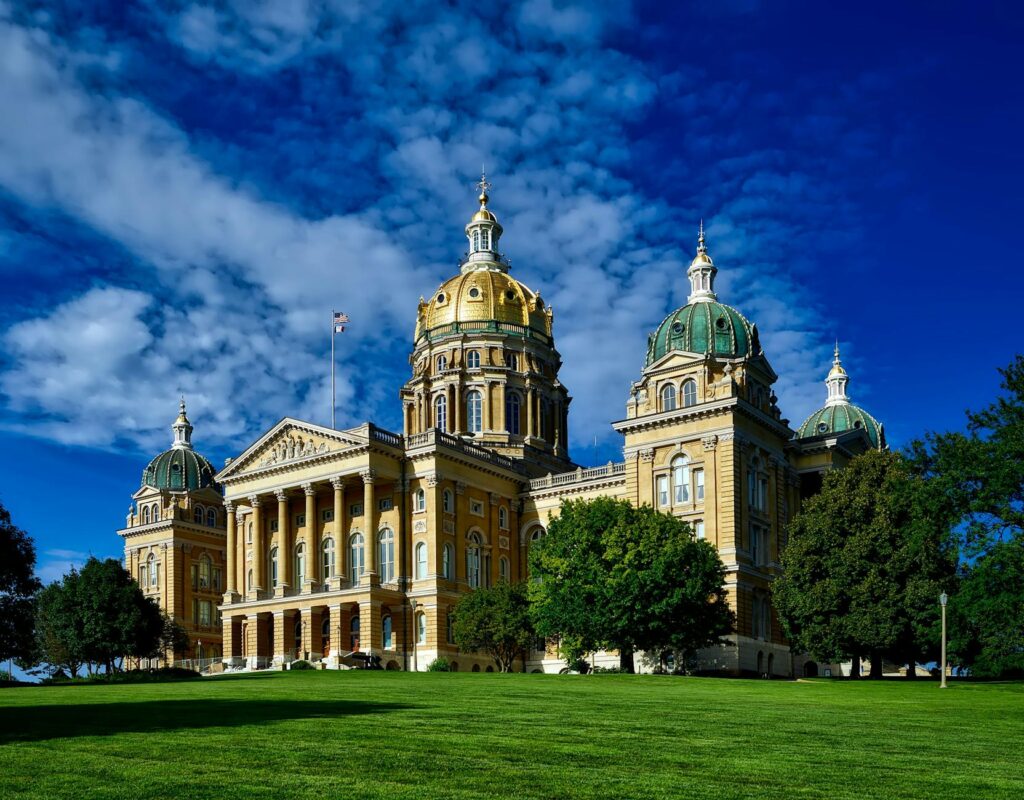
The 515 area code is geographically exclusive to central Iowa, with its core anchored by the state’s capital and largest city, Des Moines. This numbering plan area (NPA) encompasses a significant portion of the region, including major suburban centers and the surrounding rural communities. Key cities within the 515 footprint include Ames, renowned as the home of Iowa State University, and other rapidly expanding municipalities such as West Des Moines, Ankeny, and Urbandale. The area code primarily serves residents and businesses across Polk, Story, Dallas, Boone, and Jasper counties. While Des Moines is the most populous city, it’s important to recognize that the 515 area code also serves numerous smaller towns and villages. For precise location verification, always confirm the specific city associated with a 515 number, as the coverage extends well beyond the immediate Des Moines metropolitan boundaries.
Major Cities and Counties in the 515 Area Code
To provide a clearer understanding of the 515 area code’s reach, here’s a breakdown of the primary population centers and their respective counties. Understanding this distribution is key to recognizing the origin of a call and the diverse economic fabric of the region.
| City | County | Notable Feature |
|---|---|---|
| Des Moines | Polk | State Capital of Iowa, Insurance Hub, Growing Tech Sector |
| Ames | Story | Home of Iowa State University, Research & Technology Hub |
| West Des Moines | Polk, Dallas | Major Retail and Corporate Center, Residential Growth |
| Ankeny | Polk | One of the Fastest-Growing Suburbs in Iowa |
| Urbandale | Polk, Dallas | Significant Corporate Headquarters and Residential Community |
| Fort Dodge | Webster | Regional Trade and Manufacturing Center |
| Boone | Boone | Historic Community, Growing Tourism |
| Newton | Jasper | Manufacturing History, Home to Iowa Speedway |
What’s the Time Zone for the 515 Area Code?
The entire 515 area code operates within the Central Time Zone (CT). This encompasses both Central Standard Time (CST) — which is UTC-6, and Central Daylight Time (CDT), which is UTC-5, observed during daylight saving periods. When you receive a call from a 515 number, you can reliably assume it originates from this time zone. This is key for scheduling meetings, returning calls promptly, or understanding broadcast times. For example, 10:00 AM in the 515 area code corresponds to 11:00 AM Eastern Time or 8:00 AM Pacific Time as of 2026.
A Brief History: How Did the 515 Area Code Originate?
The 515 area code boasts a long and significant history, established in 1947 as one of the original 86 area codes created by AT&T and the Bell System. Initially, its geographic coverage was extensive, encompassing the entire central and northern third of Iowa. This large footprint remained in place for over five decades, making the 515 code synonymous with a substantial portion of the state for generations of Iowans. As the population grew and the demand for telephone lines surged—especially with the advent of fax machines and the rise of dial-up internet in the late 20th century—the need for more telephone numbers became apparent. According to the North American Numbering Plan Administration (NANPA), area code splits became a common strategy in the late 1990s and early 2000s to prevent number exhaustion.
On July 9, 2000, a significant change occurred when the 515 area code was split. The central region, including the major metropolitan areas of Des Moines and the university city of Ames, retained the 515 designation. However, the northern and more rural sections of the original 515 territory were assigned the new 641 area code. This division marked a notable event for residents and businesses, requiring adjustments to contact information and adherence to the new dialing plan. The split ensured continued service availability while modernizing the numbering plan to meet future demands. This historical context is essential for understanding the current geographic boundaries and the evolution of telecommunications infrastructure in Iowa.
How Can Businesses Use a 515 Number in 2026?
For businesses operating in or targeting Central Iowa, acquiring a local 515 phone number remains a powerful strategy for establishing an immediate local presence and building customer trust. In 2026, consumer preference for local companies persists, as they are often perceived as more accessible, accountable, and community-oriented. A 515 number clearly signals a connection to the Des Moines metropolitan area, a significant economic engine for Iowa known for its solid insurance industry, with major players like Principal Financial Group, and a rapidly expanding technology sector. Businesses can utilize modern Voice over Internet Protocol (VoIP) services to obtain a 515 number, regardless of their physical location, enabling them to effectively connect with and serve this valuable market.
The economic landscape of Central Iowa, as served by the 515 area code, is diverse and dynamic. Beyond the established insurance sector, the region is experiencing significant growth in technology, advanced manufacturing, and biosciences. Iowa State University in Ames plays a key role in fostering innovation and providing a skilled workforce for these burgeoning industries. Companies can use a 515 number to tap into this talent pool and signal their commitment to local economic development. And, the presence of the Iowa Speedway in Newton, within the 515 footprint, highlights the region’s capacity for hosting major events and attracting tourism, offering unique marketing opportunities for businesses in hospitality and related sectors.
The Economic Impact of Area Code 515
The 515 area code is central to Iowa’s economic activity. Des Moines, the state capital, serves as a hub for finance, insurance, and government. Major corporations headquartered or with significant operations in the area contribute substantially to the state’s GDP. As of April 2026, the technology sector in Des Moines is showing solid growth, attracting startups and established tech firms alike. Initiatives like the Tech supports this expansion Des Moines program, which fosters entrepreneurship and innovation. The presence of Iowa State University in Ames is also a significant economic driver, producing graduates in engineering, agriculture, and veterinary medicine, fields critical to Iowa’s economy. Reports indicate that the combined economic output of the counties within the 515 area code represents a substantial portion of Iowa’s total gross state product.
The agricultural sector, while not solely confined to the 515 area, remains a foundational element of the regional economy. Businesses supporting agriculture, from equipment manufacturers to biotechnology firms, thrive in this environment. The proximity to fertile farmland and the state’s strong agricultural heritage provide a unique advantage. And, the 515 region is a significant center for logistics and transportation, benefiting from its central location in the Midwest. Major highways and rail lines facilitate the movement of goods, supporting both agricultural and industrial enterprises.
Community and Culture within the 515
Central Iowa, defined by the 515 area code, offers a rich tapestry of community life and cultural experiences. Des Moines boasts a vibrant arts scene, with institutions like the Des Moines Art Center and the Civic Center of Greater Des Moines hosting world-class exhibitions and performances. The city also hosts numerous festivals and community events throughout the year, fostering a strong sense of local identity. Ames, driven by the university presence, offers a youthful energy with a dynamic cultural calendar, including concerts, lectures, and sporting events. The smaller towns within the 515 footprint contribute to the region’s charm with their own unique traditions, local festivals, and historical societies, often celebrating Iowa’s agricultural roots and pioneer history.
As reported by WHO13.com on April 19, 2026, the Central Iowa Libraries’ collaborative map project exemplifies the community-focused initiatives that are prevalent in the region. These projects aim to enhance access to information and strengthen social connections among residents. The emphasis on community engagement is a hallmark of life in the 515 area, where local pride is evident in everything from high school sports rivalries to support for local businesses. The ongoing efforts to preserve and promote Iowa’s history, as noted by WorldAtlas on March 29, 2026, further highlight the region’s commitment to its cultural heritage.
Living in the 515 Area Code
The quality of life in the 515 area code is a significant draw for residents and newcomers. Cities like Des Moines consistently rank high in ‘best places to live’ lists, citing affordability, job opportunities, and a family-friendly atmosphere. West Des Moines, Ankeny, and Urbandale are particularly popular with families due to their excellent school districts and abundant recreational facilities. Ames offers a unique blend of a college town atmosphere with the amenities of a larger city, appealing to students, faculty, and professionals. For those seeking a more rural or small-town experience, numerous communities within the 515 area provide a quieter pace of life while remaining within commuting distance of major employment centers.
As of 2026, housing prices in the 515 area code remain relatively affordable compared to national averages, although demand in popular suburban areas has led to steady appreciation. The cost of living is generally lower than in many other parts of the country, making it an attractive region for individuals and families looking to maximize their financial well-being. Access to healthcare is also strong, with major hospital systems serving the Des Moines metropolitan area and regional medical centers in cities like Ames and Fort Dodge.
Frequently Asked Questions
What are the main industries in the 515 area code as of 2026?
As of April 2026, the main industries in the 515 area code include finance and insurance, with Des Moines as a major hub. The technology sector is experiencing rapid growth, driven by startups and established companies. Advanced manufacturing, biosciences, and agriculture-related businesses also play significant roles. Iowa State University in Ames contributes heavily to research and development, particularly in technology and agricultural sciences.
Is it expensive to live in the 515 area code?
Generally, the cost of living in the 515 area code is considered affordable compared to national averages as of 2026. While housing prices have seen appreciation, especially in growing suburban areas, they remain more accessible than in many coastal or larger metropolitan regions. The overall cost of goods and services also tends to be lower, making it an economically attractive place to live for many.
What is the history of the 515 area code split?
The 515 area code was split on July 9, 2000. The original, large 515 area code was divided to accommodate growing demand for phone numbers. The central portion, including Des Moines and Ames, retained the 515 area code, while the northern and more rural sections were assigned the new 641 area code. NANPA to prevent number implemented this division exhaustion and ensure adequate telephone service for the region.
Are there any major universities in the 515 area code?
Yes, the most prominent university in the 515 area code is Iowa State University, located in Ames. As a major research institution, it significantly influences the region’s economy, culture, and talent pool. The university’s presence also contributes to Ames being a vibrant college town with numerous cultural and educational events.
What are some popular attractions in the 515 area code?
Popular attractions within the 515 area code include the State Historical Museum of Iowa and the Pappajohn Sculpture Park in Des Moines, the Reiman Gardens and the Octagon Center for the Arts in Ames, and the Iowa Speedway in Newton. The region also offers numerous state parks and recreational areas, such as Ledges State Park near Boone, providing opportunities for outdoor activities. The charm of the historic main streets in towns like Boone and Fort Dodge also draws visitors.
Conclusion
Area code 515 represents a dynamic and growing region in the heart of the Midwest. Anchored by Des Moines, Iowa’s capital and largest city, and home to the esteemed Iowa State University in Ames, the 515 territory is a hub for innovation, commerce, and culture. As of April 2026, the region continues to attract residents and businesses with its blend of economic opportunity, affordable living, and strong community values. From its historical roots as an original area code to its current role in supporting a diverse economy encompassing finance, technology, agriculture, and manufacturing, the 515 area code is integral to Iowa’s identity and future prosperity.
Source: Britannica
Editorial Note: This article was researched and written by the Serlig editorial team. We fact-check our content and update it regularly. For questions or corrections, contact us.


