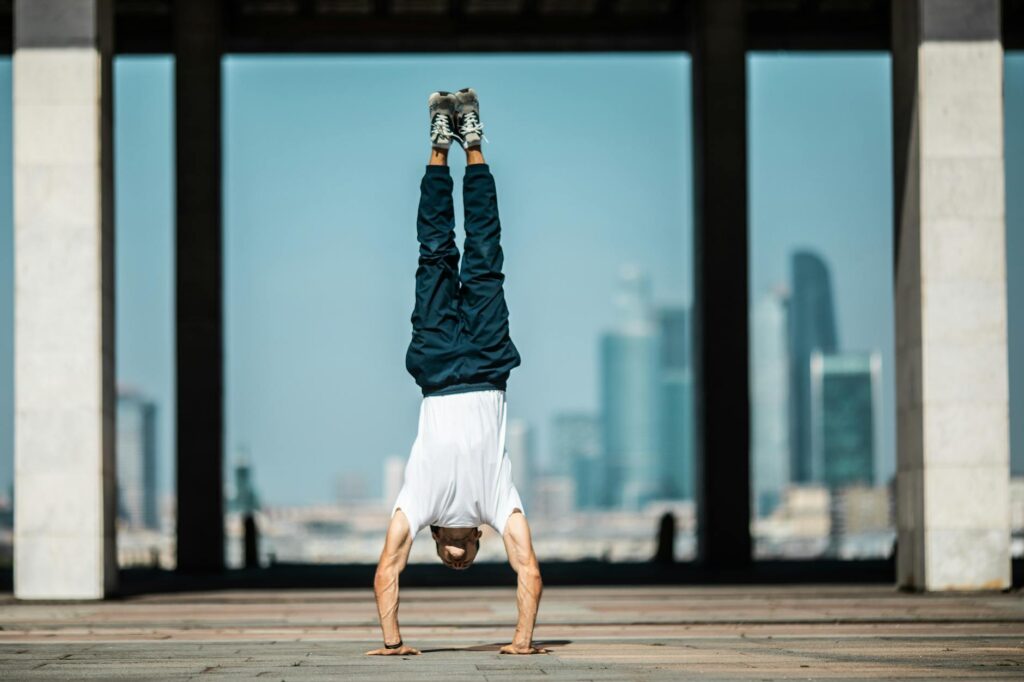
This guide covers everything about fitness while traveling. Maintaining a consistent fitness routine while traveling can feel like a monumental challenge. The allure of new experiences, the disruption of schedules, and the sheer exhaustion of navigating unfamiliar environments often lead to a complete abandonment of workout plans. This article offers practical, actionable strategies to help you stay active, eat mindfully, and keep your energy levels high, ensuring your health goals remain on track, no matter where your adventures take you.
Last updated: April 26, 2026
Featured Snippet Answer:
Table of Contents
-
Why Is Fitness While Traveling So Hard?
-
Your Hotel Room Becomes Your Gym
-
Eating Smart When You’re Out and About
-
Active Exploration: The Best Kind of Sightseeing
-
Gear Up: Smart Travel Fitness Essentials
-
Mind Over Matter: Staying Motivated
-
Frequently Asked Questions
Why Is Fitness While Traveling So Hard?
The challenges of maintaining fitness while traveling are numerous and often interconnected. A primary hurdle is the disruption of established routines. Different time zones can throw off sleep patterns, unfamiliar beds affect rest quality, and your dedicated gym space is replaced by a temporary lodging. As The Washington Post has pointed out, the very nature of travel often involves a shift in priorities away from a structured fitness regimen.
Beyond routine disruption, the temptation factor is immense. New destinations offer unique culinary experiences, late-night excursions are common, and the physical and mental exertion of exploring can be draining. Finding a suitable, affordable, and conveniently located gym can feel like an impossible task. This combination of factors makes it incredibly easy for fitness to fall by the wayside. However, experts emphasize that incorporating even moderate physical activity can combat jet lag, boost energy levels, and ultimately enhance the overall travel experience. For instance, understanding the science behind better sleep, as explored by Popular Science on April 24, 2026, can significantly improve recovery and energy levels, making it easier to stick to a fitness plan.
Your Hotel Room Becomes Your Gym
The idea of packing extensive workout gear is impractical for most travelers. Fortunately, your own bodyweight is a powerful and readily available fitness tool. With zero equipment, you can achieve an effective workout within the confines of your hotel room. Fundamental exercises like squats, lunges, push-ups (modified for floor, wall, or desk if needed), planks, glute bridges, and jumping jacks effectively target major muscle groups and elevate your heart rate.
Sample Hotel Room Workout (Under 30 Minutes)
This routine can be adapted to various fitness levels and requires no equipment:
- Warm-up (5 minutes): Light cardio like jogging in place or jumping jacks, followed by dynamic stretches (e.g., arm circles, leg swings).
- Circuit 1 (Repeat 3 times):
- 15 Squats
- 10 Push-ups (on knees or toes)
- 30-second Plank
- Rest for 60 seconds between circuits.
- Circuit 2 (Repeat 3 times):
- 15 Lunges per leg
- 15 Glute Bridges
- 30 seconds of High Knees
- Rest for 60 seconds between circuits.
- Cool-down (5 minutes): Static stretching, holding each stretch for 20-30 seconds (e.g., hamstring stretch, quad stretch, triceps stretch).
Important Considerations:
- Adjust repetitions and sets based on your current fitness level.
- Modify squats and lunges if you have knee sensitivities.
- Always listen to your body. Avoid pushing through sharp pain.
For those seeking more structured guidance, numerous fitness apps offer extensive bodyweight workout libraries. As highlighted by health.com, apps like Nike Training Club and Fitbit Coach provide guided routines that can be followed directly on your smartphone, making hotel room workouts more engaging and effective. Some hotel gyms, while variable in quality, can also offer basic equipment. A quick inquiry at the front desk can reveal what’s available. Users report that these apps are invaluable for structured workouts when away from home.
Eating Smart When You’re Out and About
Dining is a significant part of the travel experience, and enjoying local cuisine is essential. The key to maintaining healthy eating habits while traveling isn’t about strict deprivation but about making balanced, informed choices. Instead of opting for fried appetizers, heavy cream-based pasta dishes, and rich desserts at every meal, consider these strategies:
- Prioritize Protein and Vegetables: Seek out grilled lean meats, fish, or plant-based protein sources accompanied by plenty of vegetables. Most restaurants are accommodating. Don’t hesitate to ask for steamed greens or a side salad instead of fries.
- Be Mindful of Sauces and Dressings: High-calorie ingredients are often hidden in sauces, gravies, and dressings. Request them on the side to control portion size and minimize intake.
- Hydrate Wisely: Water should be your primary beverage. Sugary sodas, fruit juices, and alcoholic cocktails can quickly add significant calories and sugar to your daily intake. As Yahoo reported on April 23, 2026, even simple coffee upgrades can impact overall intake, so being mindful of additions like sugar and cream is important.
- Practice Portion Control: Restaurant portions are often oversized. Consider sharing entrees, ordering an appetizer as your main course, or packing leftovers for a later meal.
- Seek Out Healthy Snacks: Carry portable, healthy snacks like nuts, seeds, fruit, or protein bars to avoid relying on convenience store junk food when hunger strikes between meals.
- Read Menus Critically: Look for keywords like ‘baked,’ ‘grilled,’ ‘steamed,’ or ‘broiled’ which generally indicate healthier preparation methods compared to ‘fried,’ ‘crispy,’ or ‘creamy.’
Making conscious decisions about food doesn’t mean missing out on local flavors. It means finding a sustainable balance that supports your health goals while allowing you to savor the culinary journey. Many travelers find that incorporating these simple habits significantly reduces post-trip regrets about weight gain or feeling sluggish.
Active Exploration: The Best Kind of Sightseeing
The most effective way to stay fit while traveling is to make your exploration inherently active. Forget sedentary bus tours and embrace activities that get your body moving. This approach, often termed ‘active tourism,’ is gaining popularity as travelers seek more immersive and healthy experiences. Reports indicate a growing interest in vacations centered around hiking, cycling, kayaking, and even urban exploration on foot.
Consider these active exploration ideas:
- Walking Tours: Opt for guided walking tours or simply explore cities on foot at your own pace. Fitness while traveling allows you to discover hidden gems and burn calories simultaneously.
- Hiking and Nature Trails: Research local parks and trails for opportunities to hike or trail run. Fitness while traveling offers a fantastic way to connect with nature and get a great cardiovascular workout.
- Cycling Adventures: Rent a bike and explore your surroundings. Many cities offer bike-sharing programs, making it a convenient and eco-friendly option.
- Water Sports: If you’re near the coast or a lake, try activities like paddleboarding, kayaking, or swimming.
- Climbing and Bouldering: For the adventurous, seek out local climbing gyms or natural rock formations for a challenging full-body workout.
Integrating physical activity into your sightseeing not only keeps you fit but also enhances your overall travel experience. You see more, experience more, and return home feeling energized rather than depleted. As highlighted in a recent CN Traveller report, active tourism is no longer a niche interest but a mainstream travel trend for 2026.
Gear Up: Smart Travel Fitness Essentials
While extensive gear is unnecessary, a few key items can significantly boost your travel fitness efforts. Choosing lightweight, compact, and versatile items is paramount.
- Resistance Bands: As mentioned, these are incredibly versatile for adding resistance to bodyweight exercises. They come in various strengths and are perfect for targeting different muscle groups.
- Jump Rope: A classic for a reason, a jump rope provides an excellent cardiovascular workout and is highly portable.
- Fitness Tracker: Wearable technology can be a great motivator. Devices like smartwatches and fitness bands track steps, heart rate, calories burned, and sleep patterns, providing valuable insights into your activity levels. Travel and Leisure Asia reported on the best fitness trackers for 2026 on April 25, 2026, emphasizing their role in maintaining health goals.
- Comfortable Workout Shoes: Essential for any physical activity, ensure your footwear is suitable for both walking and workouts.
- Lightweight Athletic Apparel: Pack moisture-wicking fabrics that are quick to dry and comfortable for movement.
Choosing the right gear ensures you’re prepared to exercise whenever the opportunity arises, without being burdened by excessive luggage. Many travelers find that investing in one or two key pieces of equipment dramatically increases their likelihood of sticking to a routine.
Mind Over Matter: Staying Motivated
Motivation is often the biggest hurdle. When you’re tired, stressed, or surrounded by temptations, sticking to a fitness plan requires mental discipline.
- Set Realistic Goals: Don’t aim for your usual intense gym routine if you’re on a busy sightseeing trip. Aim for consistency over intensity. A 20-minute hotel room workout or a brisk walk is better than nothing.
- Schedule Your Workouts: Treat your exercise sessions like important appointments. Block out time in your itinerary, even if it’s just 15-30 minutes.
- Find a Travel Buddy: If you’re traveling with others, encourage each other to stay active. A workout partner can provide accountability and make exercise more enjoyable.
- Focus on How You Feel: Remind yourself of the benefits – increased energy, better sleep, reduced stress, and improved mood. This positive reinforcement is powerful.
- Be Flexible: Some days, your schedule won’t allow for a workout. Don’t let one missed session derail your entire effort. Just get back on track the next day.
- Reward Yourself: Plan non-food-related rewards for reaching fitness milestones, like a relaxing massage or a souvenir.
Remember that fitness while traveling is about progress, not perfection. Embrace the journey, be kind to yourself, and celebrate every small victory. The mental resilience built by staying active while traveling can translate into other areas of your life.
Frequently Asked Questions
What is the most effective way to stay fit while traveling with limited time?
The most effective way is to integrate activity into your sightseeing. Opt for walking tours, explore cities on foot, or choose hotels with accessible fitness facilities. Short, high-intensity workouts in your hotel room using bodyweight or resistance bands are also highly effective when time is scarce.
How can I avoid gaining weight while traveling?
Focus on mindful eating by prioritizing lean proteins and vegetables, requesting sauces on the side, staying hydrated with water, and practicing portion control. Balance indulgent meals with healthier choices and incorporate regular physical activity into your daily itinerary.
Are hotel gyms usually well-equipped?
Hotel gym quality varies significantly. Some offer a range of modern equipment, while others may only have a few basic machines or free weights. It’s best to inquire at the front desk about available facilities or come prepared with your own portable workout plan.
How important is sleep for fitness while traveling?
Sleep is critically important. It aids muscle recovery, boosts energy levels, and supports cognitive function, all of which are essential for maintaining a fitness routine. Popular Science reported on April 24, 2026, on scientific methods for improving sleep, which can be particularly beneficial when dealing with jet lag and unfamiliar sleeping environments.
Can I maintain a strength training routine without access to a gym?
Absolutely. Bodyweight exercises like squats, push-ups, lunges, and planks build significant strength. Adding resistance bands dramatically increases the variety and intensity of strength training exercises you can perform in any location.
Conclusion
Traveling doesn’t have to mean the end of your fitness journey. By adopting a proactive mindset, utilizing your hotel room as a gym, making smart food choices, embracing active exploration, and packing a few key essentials, you can maintain a healthy and energetic lifestyle on the road. Remember that consistency, even in small doses, is key. With the right strategies and a little determination, you can return from your travels feeling accomplished, revitalized, and stronger than ever.
Source: Britannica
Editorial Note: This article was researched and written by the Serlig editorial team. We fact-check our content and update it regularly. For questions or corrections, contact us.


