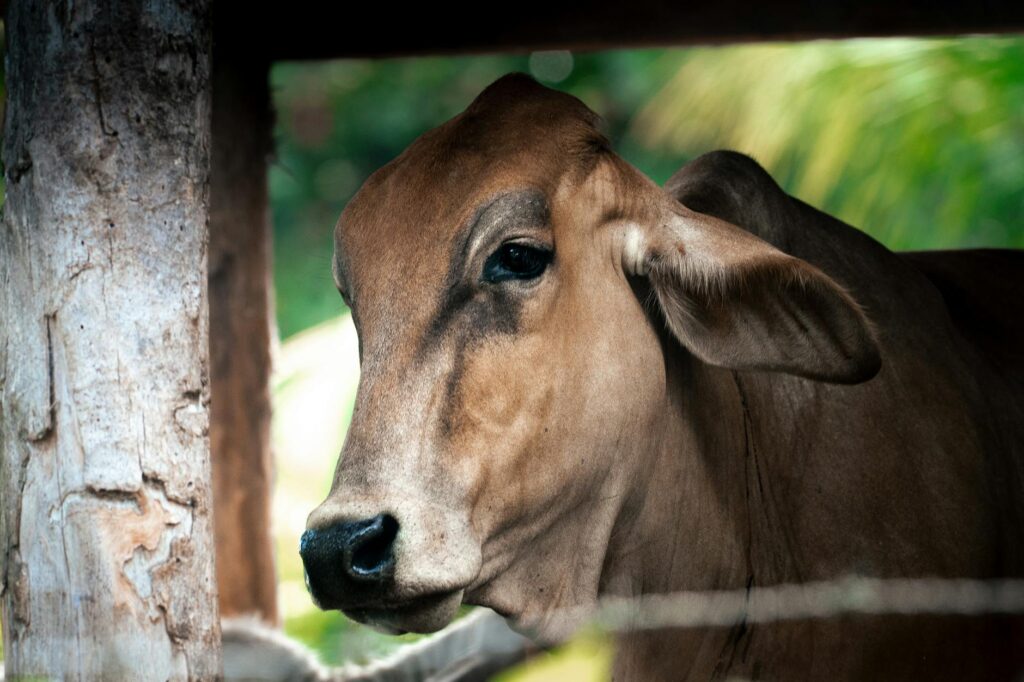
Many people wonder about the digestive anatomy of cows, often asking: How many stomachs does a cow have? The straightforward answer, while commonly misunderstood, is that a cow technically has only one stomach, but it’s divided into four distinct compartments. This complex, multi-compartment stomach is a hallmark of ruminant animals, enabling them to efficiently extract nutrients from fibrous plant matter that non-ruminants can’t easily digest. This article digs into the intricacies of a cow’s digestive system, exploring each compartment and its vital role in breaking down tough vegetation.
Last updated: April 26, 2026
This four-compartment system is characteristic of ruminant animals, a group that also includes sheep, goats, deer, and giraffes. Non-ruminant animals, like horses or pigs, possess different digestive strategies. Understanding this distinction is vital for appreciating the cow’s unique biological capabilities and its role in agriculture and the ecosystem.
The Four Compartments: A Detailed Look
A cow’s stomach is a marvel of biological engineering, designed for the continuous processing of large volumes of forage. Each compartment plays a specific role in a sequential digestive process that relies heavily on microbial fermentation.
1. The Rumen: The Fermentation Vat
The rumen is by far the largest compartment, acting as a massive fermentation vat. It can hold a significant amount of food, sometimes up to 25 gallons (around 95 liters) in a mature dairy cow, as of April 2026. Here’s where the magic of microbial fermentation truly begins. Millions of bacteria, protozoa, and fungi reside in the rumen, creating a symbiotic relationship with the cow. These microbes are essential partners in digestion.
These microbes are essential. They break down complex carbohydrates like cellulose and hemicellulose—the primary components of plant cell walls—into simpler volatile fatty acids (VFAs). These VFAs are then absorbed by the cow and serve as its main energy source. The microbes also synthesize B vitamins and essential amino acids, providing crucial nutrients for the cow. The environment within the rumen is anaerobic (oxygen-free) and maintained at a specific temperature and pH, ideal for microbial activity. This complex ecosystem is constantly working to break down ingested plant material.
2. The Reticulum: The Honeycomb’s Function
Often considered functionally inseparable from the rumen due to their close proximity and shared microbial populations, the reticulum is the second compartment. Its lining resembles a honeycomb, hence its name. The reticulum’s primary role is to trap larger particles and foreign objects (like nails or wire — which can be a hazard on farms) that the cow might ingest. It also plays a critical role in the process of rumination.
When a cow chews its cud, it’s regurgitating partially digested food from the reticulum (and rumen) back into its mouth for re-chewing. The reticulum’s muscular walls contract to help move ingested material backward for regurgitation or forward for further digestion. This repeated chewing, called rumination or cudding, is vital for breaking down plant fibers more effectively. This process significantly increases the surface area of the food, making it more accessible to microbial enzymes.
3. The Omasum: The Water Absorber
The omasum is the third compartment and is characterized by its many leaf-like folds, or laminae — which greatly increase the surface area. Its primary function is to absorb water and other small volatile fatty acids from the digested food. Think of it as a filter or a sponge that squeezes out excess moisture before the food moves to the final compartment.
By removing water, the omasum helps to concentrate the digesta, preparing it for more efficient enzymatic digestion. The precise mechanism of food movement into and through the omasum is complex, involving muscular contractions and fluid dynamics. This stage is crucial for ensuring that the material entering the true stomach has the optimal consistency for further breakdown.
4. The Abomasum: The ‘True Stomach’
Finally, the abomasum is the fourth compartment and is the true stomach of the cow, most closely resembling the single stomach found in monogastric (single-stomached) animals like humans. It secretes digestive enzymes, such as pepsin, and hydrochloric acid. These secretions break down proteins from both the feed and the microbial biomass that has passed from the rumen.
The acidic environment of the abomasum denatures proteins, making them accessible to enzymatic digestion. This compartment is where the final stages of enzymatic digestion occur before the nutrient-rich liquid passes into the small intestine for absorption. According to UC Davis, the cow’s digestive system, including the abomasum, plays a role in nutrient cycling and can even offer potential benefits for human health and the environment through improved feed efficiency and methane reduction strategies as of April 2026.
Latest Update (April 2026)
Recent research continues to highlight the significant environmental impact of livestock. BBC Wildlife Magazine reported in April 2026 that pet food alone accounts for similar levels of global greenhouse gas emissions to the entirety of the Philippines. While this headline focuses on pets, it highlights the broader discussion around the carbon footprint of animal agriculture — where cattle are a major contributor. Ongoing studies are exploring innovative feed additives and management practices to reduce methane emissions from cows, a key greenhouse gas produced during their digestive process. As reported by UC Davis, advancements in understanding cow digestion could lead to improved feed efficiency and reduced environmental impact, offering potential benefits for both human health and the planet.
and, the unique digestive capabilities of cows are being explored in novel ways. A study highlighted by CNN in July 2021 found that cows’ stomachs can break down hard-to-recycle plastic. While this research is still in its early stages as of April 2026, it points to the extraordinary biochemical processes occurring within the rumen and its potential applications beyond traditional agriculture. The complex microbial ecosystem within the cow’s digestive tract remains a subject of intense scientific interest for its potential to address various environmental challenges.
The Process: Rumination Explained
The answer to how many stomachs a cow has is closely tied to understanding its unique digestive process: rumination. This process is essential for cows to thrive on a diet of fibrous plants. The process can be broken down into several key stages:
- Ingestion: The cow initially chews its food just enough to swallow it. It’s then swallowed relatively coarsely and enters the rumen and reticulum.
- Fermentation: Microbes in the rumen begin breaking down the plant material.
- Regurgitation and Re-chewing: At rest, the cow regurgitates partially digested food (cud) from the reticulum back into its mouth.
- Mastication: The cow re-chews the cud thoroughly, mixing it with saliva — which further breaks down the plant fibers and increases surface area.
- Re-swallowing: The re-chewed cud is swallowed again, now entering the omasum for water absorption and then the abomasum for final digestion.
This cycle of chewing, swallowing, fermenting, regurgitating, and re-chewing can occur multiple times a day. Rumination can take up a significant portion of a cow’s day, often 6 to 8 hours daily, depending on the animal and its diet. This extensive chewing is critical for physical breakdown, but the microbial action in the rumen is equally important for the chemical breakdown of plant fibers.
Why This Digestive System?
The ruminant digestive system evolved to allow animals to survive on diets high in cellulose and other fibrous plant materials. These are abundant in grasslands but difficult for most animals to digest because they lack the necessary enzymes to break down cellulose. Cows, through their symbiotic relationship with rumen microbes, effectively outsource this complex digestive task.
The VFAs produced by rumen fermentation provide a rich energy source. And, the microbes themselves are digested in the abomasum and small intestine, providing the cow with high-quality protein and essential amino acids. This system allows cows to thrive on forages that would be nutritionally useless to many other species. As of April 2026, research by institutions like the U.S. Department of Agriculture (USDA) continues to explore how to optimize this process for greater feed efficiency and reduced environmental impact, focusing on methane mitigation and nutrient utilization.
Differences from Non-Ruminants
To fully appreciate the cow’s digestive system, it’s helpful to contrast it with that of non-ruminant animals. Monogastric animals, such as humans, pigs, and dogs, have a single-chambered stomach. Their digestive process relies primarily on enzymes secreted by the stomach and small intestine to break down food. They can’t efficiently digest large amounts of fibrous material because they lack the rumen’s microbial fermentation capacity.
Horses, while herbivores, are hindgut fermenters. They have a large cecum and colon where microbial fermentation occurs, but this happens after the main enzymatic digestion in the stomach and small intestine. This means they derive less energy and protein from fiber compared to ruminants. Pigs and poultry rely on omnivorous diets and have simpler digestive tracts designed for a wider variety of food sources. Understanding these differences underscores the specialized adaptation of the ruminant stomach.
Nutritional Implications and Modern Agriculture
The efficiency of the ruminant digestive system has profound implications for modern agriculture and global food production as of April 2026. Cattle are a primary source of protein (meat and dairy) for billions of people worldwide. Their ability to convert pasture and non-grain feedstuffs into nutrient-dense products is a cornerstone of the agricultural economy.
However, this system also has environmental considerations. Methane, a potent greenhouse gas, is a natural byproduct of rumen fermentation. Scientists and agricultural bodies, including the Food and Agriculture Organization of the United Nations (FAO), are actively researching methods to mitigate these emissions. Strategies include dietary modifications, feed additives, and improved herd management. For instance, research highlighted by the University of Illinois in early 2026 indicates that certain seaweed-based feed supplements show promise in reducing enteric methane emissions from cattle by up to 80% in laboratory settings.
Frequently Asked Questions
Does a cow have four stomachs?
No, a cow technically has one stomach divided into four compartments: the rumen, reticulum, omasum, and abomasum. The abomasum is considered the ‘true stomach’ due to its glandular secretions similar to a human stomach.
What is the function of the rumen?
The rumen acts as a large fermentation vat where billions of microbes break down fibrous plant material like cellulose into volatile fatty acids, which are the cow’s primary energy source. It also synthesizes B vitamins and microbial protein.
Why do cows chew their cud?
Cows chew their cud as part of rumination. They regurgitate partially digested food (cud) from the reticulum, re-chew it to break down fibers further, and then re-swallow it. This process enhances nutrient extraction from tough plant matter.
What is the difference between a cow’s stomach and a human’s stomach?
A human has a single-compartment stomach that relies on enzymatic digestion. A cow has a four-compartment stomach that utilizes microbial fermentation in the first three compartments (rumen, reticulum, omasum) before enzymatic digestion in the fourth compartment (abomasum).
Can a cow digest plastic?
Early research, as reported by CNN in July 2021 and still under investigation as of April 2026, suggests that the microbial enzymes within a cow’s rumen might have the potential to break down certain types of plastic. However, this is not a primary function and is still a subject of scientific exploration for potential environmental applications.
Conclusion
So, how many stomachs does a cow have? The answer, as of April 2026, remains that a cow possesses a single stomach with four distinct compartments. This complex digestive system, characterized by microbial fermentation in the rumen and reticulum, water absorption in the omasum, and enzymatic digestion in the abomasum, allows cows to thrive on fibrous diets. This remarkable adaptation is fundamental to their role in agriculture and the global food supply chain, while ongoing research continues to explore its environmental implications and potential novel applications.
Source: Britannica
Related Articles
- Best AI Writing Tools for Bloggers 2026: Case Study & Top Picks
- Magellan Global Equities: A UK Investor's Deep Dive
- John Harrell Basketball: Your 2026 Indiana Hub
Editorial Note: This article was researched and written by the Serlig editorial team. We fact-check our content and update it regularly. For questions or corrections, contact us.


