Facing a court or DMV order for a car breathalyzer, commonly known as an ignition interlock device (IID), can feel overwhelming, especially when you encounter unfamiliar terms. An ignition interlock device installation is the professional process of fitting a breath alcohol monitoring device to your vehicle’s ignition system. This service must be performed by a state-certified technician to ensure it functions correctly and meets all legal requirements for your state’s program. (Source: nhtsa.gov)
Last updated: April 30, 2026
Latest Update (April 2026)
Recent reports highlight ongoing challenges with IID compliance across several states. As of April 2026, studies indicate that a significant portion of drivers ordered to install these devices aren’t adhering to the mandate. For instance, in Washington state, recent reporting from outlets like The Spokesman-Review and KXLY.com suggests that less than half of drivers ordered to use ignition interlock devices are actually using them, with one report from The Center Square indicating compliance rates as low as 41% for drivers post-DUIs. This lack of widespread adoption highlights the importance of the installation process, associated costs, and the legal ramifications of non-compliance. New legislation is also being introduced in various regions. For example, The Sun recently reported on a new law potentially forcing drivers to install ‘shutdown’ devices if they break specific rules, indicating a trend towards stricter enforcement and monitoring technologies. In Maryland, repeat speeding offenders might face up to a year of monitoring before license reinstatement, as reported by WMAR 2 News Baltimore, signaling a broader application of monitoring technologies beyond just DUI offenses. WTOP also reported on new technology aiming to slow down Maryland’s worst drivers as of April 2026. Streetsblog New York City discussed efforts to prevent fatal crashes by addressing super speeders, underscoring the evolving landscape of traffic safety and monitoring.
What Exactly Happens During an Ignition Interlock Device Installation?
The installation is a precise technical procedure that connects the device to your car’s starter. A certified technician performs several key steps to ensure the device works as intended without harming your vehicle. The process is designed to be non-damaging and completely reversible upon removal. Here’s a detailed breakdown of what you can expect during your appointment:
- Vehicle Check-In: The technician meticulously verifies your identity, reviews your court or DMV paperwork, and confirms your vehicle information (make, model, year, Vehicle Identification Number – VIN). This ensures all documentation aligns with the device’s registration.
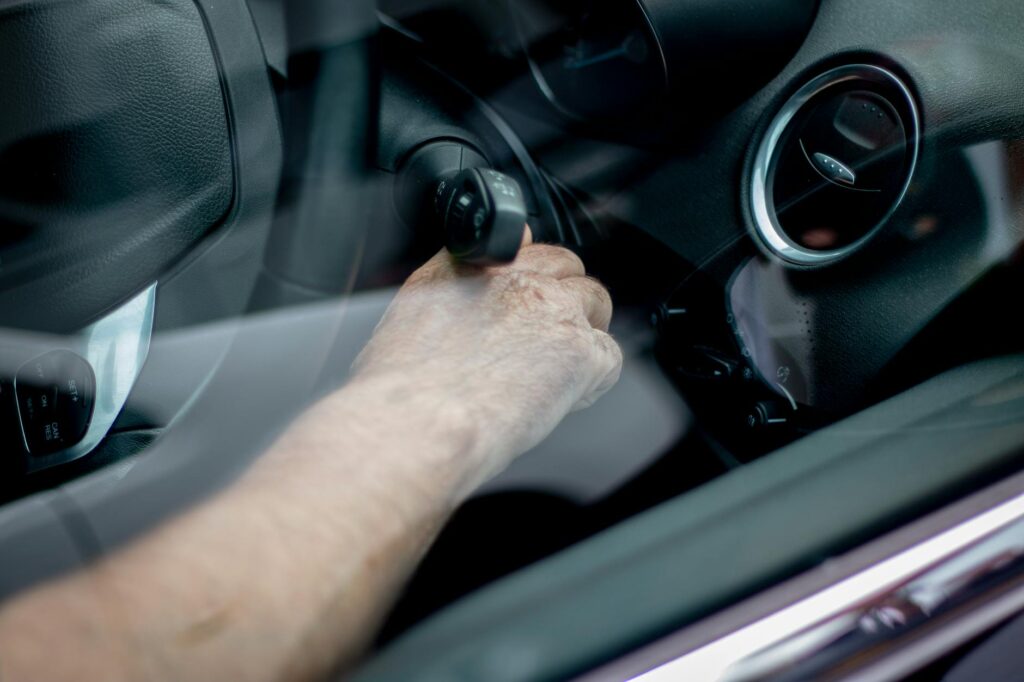
- Electrical System Access: They carefully access the vehicle’s wiring harness, typically located beneath the dashboard. The primary focus is on identifying and accessing the wires connected to the starter motor and ignition switch – essential for the car’s starting sequence.
- Device Integration: The technician expertly integrates the IID’s control unit and wiring harness into your vehicle’s existing electrical system. Modern installation techniques avoid cutting main harnesses, instead using industry-standard methods for tapping into specific circuits. This creates an electronic interrupt that prevents the car from engaging the starter motor until a valid, clean breath sample is provided through the device.
- Mounting the Handset: The handheld breathalyzer unit, often referred to as the handset or mouthpiece, is securely mounted in a location easily accessible to the driver while remaining out of the way of normal driving operations. The connecting cable between the handset and the under-dash unit is routed safely and discreetly.
- System Test and Calibration: After all connections are made, the technician powers up the system and performs a complete diagnostic test. This verifies that the IID communicates correctly with the vehicle’s systems and that the vehicle starts and stops as required by the device’s logic. Initial calibration ensures the device is set to the correct parameters for your jurisdiction.
- User Training: This is a critical phase. The technician provides thorough training on how to operate the IID. This includes demonstrating how to provide a proper, consistent breath sample, explaining the various screen messages and audible alerts, and detailing the procedure for mandatory rolling retests. You also learn about common violations, lockout modes, and troubleshooting basic issues.
- Paperwork Completion: Upon successful installation and testing, you receive official documentation, often a certificate of installation. This document is frequently required by your monitoring authority, such as the Department of Motor Vehicles (DMV) or your probation officer, as proof of compliance with the court or administrative order.
How Do I Find a Certified Installation Center?
it’s imperative that you use a state-approved provider and a certified installation center for your IID. Your specific court order or DMV program typically provides a list of authorized vendors. Prominent national providers include companies like Intoxalock, Smart Start Inc., and LifeSafer, among others. Choosing an uncertified or unauthorized installer can lead to serious legal repercussions, including non-compliance with your court order and potential revocation of driving privileges.
To find the right center for your needs:
- Consult Your Official List: Begin by referring to the official list of approved providers and installation locations furnished by your court, DMV, or relevant legal authority.
- Check Provider Websites: Major national IID providers maintain solid online platforms. You can typically use a zip code search function on their official websites to locate all certified installation shops within your geographical area.
- Consider Convenience and Service: Think about your daily commute and routine. You will need to return to this location, or another authorized facility of the same provider, for regular calibration appointments – which are usually required every 30 to 90 days. Selecting a center that’s conveniently located can save significant time and hassle.
- Read Reviews: While official lists are paramount, user reviews can offer insights into customer service and the efficiency of specific locations. Look for consistent feedback regarding professionalism and ease of service.
Understanding Ignition Interlock Device Costs in 2026
The cost of an ignition interlock device can vary significantly based on your state, the provider you choose, and the specific device model. It’s important to budget for multiple fees associated with the IID program. As of April 2026, you can expect the following cost breakdown:
Installation Fee
This is a one-time fee for the physical installation of the device in your vehicle. Costs typically range from $70 to $200, depending on the complexity of the installation and the provider. Intoxalock, Smart Start, and LifeSafer all have competitive pricing structures for installation.
Device Lease/Rental Fee
You will pay a recurring monthly fee to lease the IID. This fee covers the cost of the device itself, monitoring, and data transmission to your monitoring agency. Monthly lease costs generally fall between $60 and $100. Some states might have slightly higher or lower averages.
Calibration/Monitoring Fee
Regular calibration appointments, usually every 30-90 days, are mandatory. These appointments ensure the device is functioning correctly and that you are compliant. The fee for calibration can range from $60 to $100 per visit. Some providers bundle this with the monthly lease fee, while others charge separately.
Device Removal Fee
Once you have successfully completed your required IID period, you will need to have the device professionally removed. This fee is similar to the installation fee, typically ranging from $70 to $200.
Potential Additional Fees
Be aware of potential extra charges. These can include fees for missed appointments, failed calibration tests, tampering with the device, or emergency service calls. Some states or providers may also charge for expedited installation or removal services.
Total Estimated Cost
Considering all these factors, the total cost for an ignition interlock device program over a year can range from approximately $900 to $2,000 or more. It’s crucial to get a detailed quote from your chosen provider that outlines all anticipated fees for your specific situation.
The Legal Requirements and Consequences of Non-Compliance
Ignition interlock devices are legal tools mandated by courts and DMVs to ensure public safety and deter repeat offenses. Understanding and adhering to the specific requirements of your IID program is paramount. Failure to comply can result in severe penalties.
Common Violations
- Providing a False Breath Sample: Attempting to provide a sample without blowing correctly or tampering with the device.
- Failing a Breath Alcohol Test: Registering a blood alcohol content (BAC) above the legal limit set by your state (often around 0.025% or 0.04% for IIDs, significantly lower than the driving BAC limit).
- Missing Calibration Appointments: Failing to return for required device checks within the specified timeframe.
- Tampering or Circumventing the Device: Any attempt to disable, damage, or bypass the IID.
- Ignoring Rolling Retests: Failing to provide a breath sample when the device requests one during operation (a safety feature to ensure the driver remains sober).
Consequences of Non-Compliance
The consequences for violating IID program rules are strict and can include:
- License Suspension or Revocation: Your driving privileges can be suspended or permanently revoked.
- Extended IID Requirement: You may be required to keep the IID for a longer period than originally ordered.
- Fines: Significant financial penalties can be imposed.
- Re-arrest and Criminal Charges: In some cases, especially for repeat offenses or serious violations, new criminal charges can be filed. For example, a Stratford woman was recently charged with her seventh OWI (Operating While Intoxicated) after a traffic stop, highlighting the severe legal outcomes for persistent offenders, as reported by Wausau Pilot & Review.
- Probation Violations: If you are on probation, an IID violation can lead to its revocation.
As reported by The Sun, new laws are emerging that could introduce even more stringent measures, such as ‘shutdown’ devices for rule-breakers, indicating a tightening grip on driver accountability through technology.
Frequently Asked Questions
What is a rolling retest, and why is it important?
A rolling retest is a feature of most ignition interlock devices that requires the driver to provide a breath sample at random intervals while the vehicle is in operation. It’s a critical safety measure designed to ensure that the driver has not consumed alcohol after starting the vehicle and remains sober throughout the journey. Ignoring a rolling retest prompt is a violation and will be logged by the device.
Can I install an ignition interlock device myself?
No, absolutely not. Ignition interlock devices must be installed by a state-certified technician at an authorized service center. Attempting to install or tamper with the device yourself can lead to serious legal penalties, void your warranty, and result in non-compliance with your court or DMV order. The installation process involves complex integration with your vehicle’s electrical system.
How often do I need to get my IID calibrated?
Calibration frequency varies by state and provider but is typically required every 30 to 90 days. During calibration, the technician checks the device’s accuracy, downloads the data logs, and ensures it’s functioning correctly. Failure to complete calibration appointments on time is a violation of your IID program terms.
What happens if I accidentally fail a breath test on my IID?
If you accidentally blow a positive or high BAC reading, remain calm and follow the device’s instructions. Often, the device will provide a lockout period. Contact your IID provider immediately to understand the specific protocol for your situation and to schedule a calibration. Document everything, including when and why the incident occurred. As reported by Motor1.com, one woman’s experience at AutoZone, where someone tapped on her window before she pulled out, highlights how unexpected situations can arise, and immediate, correct action is vital.
Can an IID be installed in any vehicle?
Yes, ignition interlock devices can generally be installed in most types of vehicles, including cars, trucks, and motorcycles. However, the specific installation process and cost might vary depending on the vehicle’s make, model, year, and its electrical system complexity. Certified technicians are trained to handle a wide range of vehicle types.
Conclusion
Navigating the requirements for an ignition interlock device installation in 2026 involves understanding the process, costs, and legal implications. By choosing a certified provider, adhering strictly to program rules, and staying informed about evolving regulations and technologies, drivers can successfully complete their mandated period and regain unrestricted driving privileges. Remember that compliance is key, and proactive engagement with your IID provider and monitoring authority will help ensure a smooth experience.
Source: Britannica
Editorial Note: This article was researched and written by the Serlig editorial team. We fact-check our content and update it regularly. For questions or corrections, contact us.