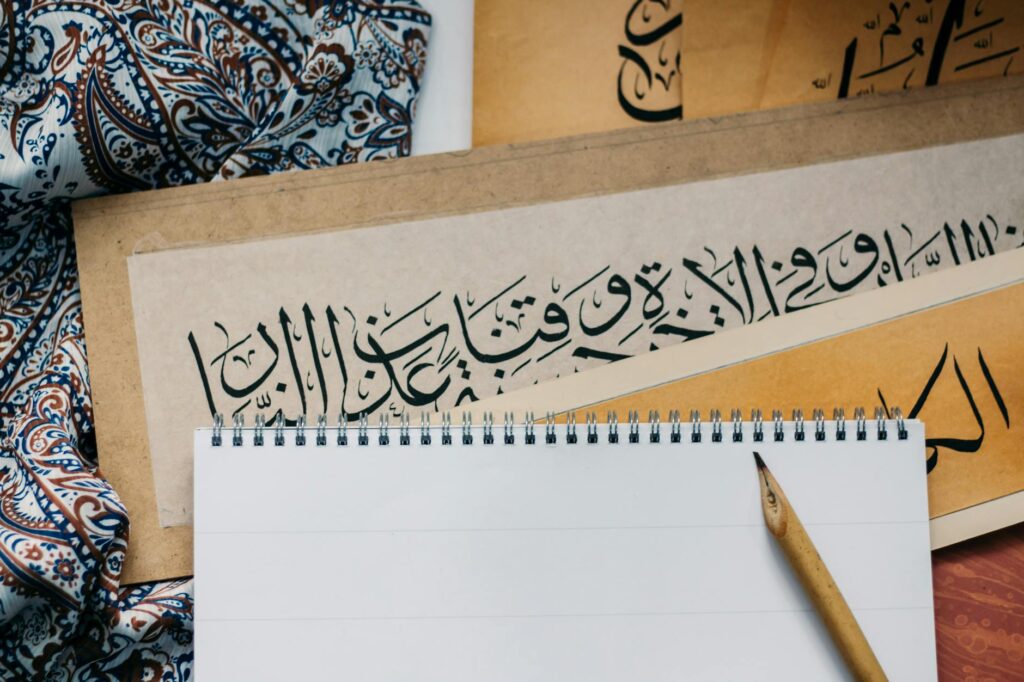
Islam: Core Beliefs and Practices in 2026
Imagine a world where billions of people orient their daily lives around a shared set of principles, a spiritual compass guiding their actions from dawn till dusk. Here’s the reality for adherents of Islam, a faith that has shaped civilizations and continues to influence global culture. Often referred to simply as ‘Islam is the religion’ by its followers, it represents more than just a system of belief; it’s a complete way of life. With over 1.9 billion adherents worldwide as of April 2026, Islam is the second-largest religion globally, its presence felt across diverse continents and cultures. This guide aims to provide a thorough understanding of its core tenets, historical development, and societal impact.
Last updated: April 26, 2026
Latest Update (April 2026)
Recent analyses from organizations like Pew Research Center continue to highlight the growing global Muslim population and the diverse expressions of Islamic faith across different regions. As of April 2026, studies suggest that while the core tenets remain unchanged, the interpretation and application of Islamic principles are continually evolving within various cultural contexts. Pew Research Center’s ongoing demographic studies underscore the importance of understanding contemporary Muslim communities worldwide. And, ongoing discussions and scholarly work, such as those explored by the Council on Foreign Relations regarding Sharia (Understanding Sharia: The Intersection of Islam and the Law), demonstrate the continued relevance and complexity of Islamic jurisprudence in the 21st century. Events like Ramadan continue to build community connection and introspection, serving as a vital period for spiritual renewal and charitable giving amongst Muslims globally, as noted in analyses from March 2024 and ongoing discussions in 2026.
Recent reporting from sources like MSN and Dailyhunt on April 23, 2026, highlight important discussions within Islamic legal frameworks. These reports indicate that, according to the All India Muslim Personal Law Board (AIMPLB), there’s no restriction in Islam on women attending mosque for namaz (prayer). This development signifies a contemporary engagement with traditional interpretations and underscores the dynamic nature of religious practice and legal opinion within the Muslim community.
What is Islam as a Religion?
At its heart, Islam is a religion of submission to the will of God (Allah). This submission, signified by the Arabic word ‘Islam’ itself, forms the bedrock of the faith. The journey begins with acknowledging the oneness of God and the prophethood of Muhammad. This foundational understanding is key for grasping the worldview and practices of Muslims.
Islam is a monotheistic religion, meaning its followers believe in one, indivisible God, known as Allah in Arabic. This belief in Tawhid (oneness of God) is the central and most fundamental aspect of Islam. Muslims believe that Allah is the creator and sustainer of the universe, all-powerful, all-knowing, and merciful. The religion’s teachings are derived from divine revelations revealed to the Prophet Muhammad over a period of 23 years in the 7th century CE. These revelations are compiled in the holy book of Islam, the Quran.
Muslims consider the Quran the literal word of God, preserved without alteration. It serves as the ultimate source of guidance for all aspects of life, encompassing theology, ethics, law, and social conduct. Alongside the Quran, the Sunnah—the practices and teachings of the Prophet Muhammad, as recorded in collections called Hadith—provides further explanation and practical application of the Quranic principles.
The Five Pillars of Islam: Foundations of Faith and Practice
The practice of Islam is structured around five essential duties known as the Five Pillars. These pillars are obligatory for all Muslims who are able to perform them and form the framework for a Muslim’s life, ensuring a balance between personal devotion and communal responsibility. According to various academic sources, including ongoing research into religious practices, these pillars are central to the observance of Ramadan, the holy month of fasting. As analyses from March 2024 and continued discussions in 2026 highlight, Ramadan continues to build community connection and introspection.
- Shahada (Declaration of Faith): This is the fundamental pillar, the testimony that ‘there’s no god but Allah, and Muhammad is His Messenger.’ Reciting this with sincerity is the entry point into Islam.
- Salat (Prayer): Muslims are required to perform five daily prayers at prescribed times, facing the Kaaba in Mecca. These prayers are a direct link between the worshipper and Allah, building mindfulness and discipline.
- Zakat (Charity): This pillar emphasizes social responsibility and economic justice. Muslims are obligated to give a portion of their wealth (typically 2.5%) to the poor and needy. This act purifies one’s wealth and helps alleviate poverty. As of April 2026, Zakat remains a cornerstone of Islamic economic ethics.
- Sawm (Fasting): During the month of Ramadan, adult Muslims abstain from food, drink, and marital relations from dawn until sunset. This practice builds self-discipline, empathy for the less fortunate, and spiritual reflection. The observance of Sawm is a deeply communal and personal experience, often shared with family and community.
- Hajj (Pilgrimage): Every Muslim who is physically and financially able must undertake a pilgrimage to Mecca at least once in their lifetime. This journey symbolizes the unity of the Muslim community and devotion to Allah. Current figures from travel and religious organizations indicate that millions undertake the Hajj annually, with preparations and logistics continually being refined for safety and accessibility as of 2026.
The Quran: The Divine Word
The Quran is the holy book of Islam, believed by Muslims to be the literal word of God revealed to Prophet Muhammad through the Angel Gabriel. It’s composed of 114 chapters (surahs) of varying lengths, revealed over approximately 23 years. The language of the Quran is Arabic, and its eloquent prose and profound message have inspired Muslims for over 14 centuries.
Muslims view the Quran as a guide for all humanity, offering solutions to life’s challenges and a roadmap to spiritual fulfillment. Its verses cover a vast array of topics, including theology, ethics, law, history, and prophecy. The study and recitation of the Quran are highly valued practices within Islam. According to Britannica, the Quran is considered the greatest miracle of Prophet Muhammad, and its preservation is seen as a testament to its divine origin.
The linguistic beauty and theological depth of the Quran continue to be subjects of extensive study and contemplation by scholars and believers alike. As of April 2026, numerous translations and commentaries exist, aiming to make its teachings accessible while preserving its original meaning. Understanding the context of revelation for each surah and ayah (verse) is crucial for accurate interpretation, a practice emphasized by Islamic scholars for centuries.
The Sunnah and Hadith: Prophetic Guidance
Complementing the Quran, the Sunnah—the traditions, sayings, and actions of Prophet Muhammad—provides practical examples of how to live according to Islamic principles. The Hadith are the documented narrations of the Sunnah, meticulously collected and authenticated by scholars. These collections, such as Sahih al-Bukhari and Sahih Muslim, are considered secondary sources of Islamic law and guidance after the Quran.
The study of Hadith involves critical analysis of the chain of narrators (isnad) and the content of the narration (matn) to ensure authenticity. This rigorous methodology, developed over centuries, ensures that the guidance derived from the Sunnah is reliable. As of 2026, the role of Hadith in interpreting Islamic law and practice remains a vital area of scholarship, with ongoing academic discourse on their application in contemporary society.
Key Islamic Beliefs Beyond the Pillars
While the Five Pillars form the core of practice, Islam encompasses a broader set of theological beliefs, often referred to as the Six Articles of Faith:
- Belief in Allah: The absolute oneness and uniqueness of God.
- Belief in Angels: Divine beings who serve Allah and carry out His commands.
- Belief in Divine Books: Scriptures revealed by Allah to various prophets, including the Torah, the Gospel, and the Quran. Muslims believe the Quran is the final and complete revelation.
- Belief in Prophets: Messengers sent by Allah to guide humanity, with Prophet Muhammad being the final prophet.
- Belief in the Day of Judgment: A day when all will be resurrected and judged by Allah for their deeds.
- Belief in Divine Decree (Qadar): The belief that Allah has knowledge of and has ordained all things, though human free will and accountability are also central tenets.
These articles of faith provide a complete theological framework for Muslims, shaping their understanding of the universe, humanity’s purpose, and the ultimate destiny.
Diversity within Islam
Islam is not a monolithic entity. The global Muslim population exhibits remarkable diversity in terms of ethnicity, culture, and interpretation of Islamic teachings. The two major branches of Islam are Sunni and Shia, accounting for approximately 85-90% and 10-15% of Muslims, respectively, as of April 2026. These branches differ primarily in their historical succession to Prophet Muhammad and certain aspects of religious law and practice.
Beyond these major divisions, numerous schools of thought, Sufi orders, and cultural interpretations exist, reflecting the vast geographical spread and historical development of Islam across regions like North Africa, the Middle East, South Asia, Southeast Asia, and beyond. As reporting from Modern Ghana suggests, there are ongoing efforts to reclaim unity within the Muslim Ummah (community), highlighting a persistent desire for solidarity across diverse groups.
Islam and Society in 2026
The principles of Islam continue to shape social structures, legal systems, and ethical frameworks in many parts of the world. Islamic finance, for instance, operates on principles derived from Islamic law, prohibiting interest (riba) and emphasizing profit-sharing and ethical investments. As of 2026, the global Islamic finance industry continues to grow, with significant assets managed according to Sharia principles.
In terms of social issues, contemporary discussions often revolve around the interpretation of Islamic teachings on family, gender roles, and community responsibilities. As evidenced by the recent reports from MSN and Dailyhunt regarding women’s access to mosques, these discussions are dynamic and involve legal, religious, and social authorities. The role of Islamic jurisprudence (Fiqh) in addressing modern challenges, from bioethics to environmental concerns, is a subject of continuous scholarly inquiry and debate.
The global Muslim population is projected to continue growing, with significant demographic shifts expected in regions like Sub-Saharan Africa and South Asia. Understanding these demographic trends, as tracked by institutions like Pew Research Center, is vital for comprehending global religious dynamics in the coming decades. As of April 2026, Islam’s influence on global affairs, culture, and individual lives remains profound and complex.
Frequently Asked Questions
What is the primary difference between Sunni and Shia Islam?
The primary difference lies in their historical disagreement over the succession of leadership after Prophet Muhammad. Sunnis believe the leader should be chosen by consensus, while Shias believe leadership should be hereditary, passing through the Prophet’s family. This divergence has led to some differences in religious practices, interpretations of Islamic law, and theological emphasis.
Is Islam a peaceful religion?
The concept of ‘peace’ (Islam) is central to the faith. Mainstream Islamic teachings emphasize peace, compassion, and justice. However, like any major religion, interpretations vary, and extremist groups have misused religious texts to justify violence, which is condemned by the vast majority of Muslims and Islamic scholars worldwide. As of April 2026, ongoing efforts focus on promoting interfaith dialogue and countering extremist narratives.
What is the role of women in Islam?
The role of women in Islam is a complex and often debated topic. Islamic texts grant women specific rights and responsibilities, including the right to education, property ownership, and participation in public life. However, interpretations and cultural practices vary significantly across different regions and communities. Recent legal discussions, such as those concerning women’s access to mosques reported in April 2026, highlight ongoing dialogue about the practical application of these rights.
How do Muslims view other religions?
Islam recognizes other monotheistic faiths, particularly Judaism and Christianity, as ‘People of the Book’ (Ahl al-Kitab), whose adherents received divine revelations before Islam. The Quran encourages respectful interaction and dialogue. While theological differences exist, the core principle is recognition of a shared divine origin and respect for prophets recognized by all three traditions.
What is the significance of the Kaaba?
The Kaaba, located in Mecca, is the most sacred site in Islam. Muslims face the Kaaba during their daily prayers (Salat), symbolizing the unity of the Muslim community. It’s also the focal point of the Hajj pilgrimage. Muslims believe it was originally built by Prophet Abraham and his son Ishmael as a house of worship dedicated to Allah.
Conclusion
Islam, with its profound emphasis on submission to God, its structured practices centered on the Five Pillars, and its rich theological framework, continues to be a dominant force shaping the lives of billions worldwide in 2026. From the divine guidance of the Quran and the Sunnah to the principles of justice and compassion embedded in its teachings, Islam offers a complete worldview. The faith’s dynamic nature is evident in ongoing scholarly discussions, diverse cultural expressions, and the continuous efforts to apply its timeless principles to the complexities of the modern world.
Source: Britannica
Related Articles
- Cach: My 14-Month Test of Its Real-World Impact in 2026
- Area Code 646: NYC's Digital Backbone in 2026
- Carbon Neutral Shipping: Better Practices Now in 2026
Editorial Note: This article was researched and written by the Serlig editorial team. We fact-check our content and update it regularly. For questions or corrections, contact us.


