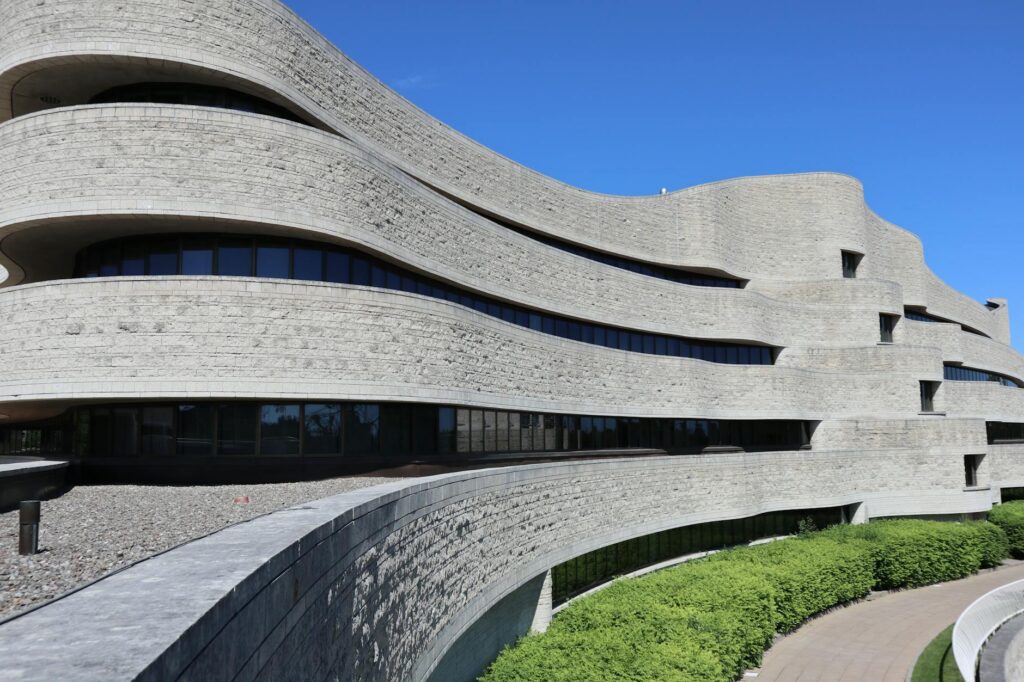
Northwestern University Kellogg: A 2026 Cost vs. Value Analysis
Last updated: April 26, 2026
The six-figure price tag of an elite MBA can feel more like a barrier than an investment. For prospective students eyeing the Kellogg School of Management, the question is sharp and direct: is it worth it? A Northwestern University Kellogg MBA is a significant financial undertaking, but its value is proven through world-class career outcomes, a famously collaborative alumni network, and access to top-tier global employers, delivering a powerful long-term return on investment for most graduates. (Source: northwestern.edu)
Latest Update (April 2026)
Recent developments highlight Kellogg’s ongoing commitment to its community and the cultivation of future leaders. The Kellogg School of Management recently celebrated its annual reunion on April 20, 2026, reinforcing the deep, lifelong connections that are a hallmark of the Kellogg experience. This event underscores the enduring strength of the Kellogg network. And, the announcement of the 2026 Youn Impact Scholars on April 16, 2026, showcases the school’s dedication to building students who aim to make a significant positive impact. As reported by Kellogg School of Management, the philosophy of finding ‘the right big idea at the right time’ drives innovation and impact among its scholars, as highlighted on April 10, 2026. These initiatives demonstrate a consistent focus on leadership and societal contribution, extending the school’s value beyond the academic curriculum.
Kellogg has also actively worked to demystify its program offerings. Recent insights shared by the Kellogg School of Management on March 10, 2026, aimed at debunking common myths surrounding the One-Year MBA program, indicating a continued effort to provide clarity and transparency to prospective students regarding program structures and benefits. According to Poets&Quants, a recent article titled “The MBAs Who Buy Instead Of Apply” published on April 24, 2026, discusses how a growing number of individuals are opting to fund their MBA degrees through personal savings or employer sponsorships rather than solely relying on loans. This trend suggests a strategic approach to managing the financial commitment of an MBA, with many students viewing the degree as a critical investment that justifies significant personal or corporate outlay.
What’s the True Cost of a Northwestern Kellogg MBA in 2026?
The total cost of pursuing a Kellogg MBA extends far beyond the listed tuition fees. To accurately budget for a full-time MBA from Northwestern University Kellogg, prospective students must account for tuition, university fees, living expenses, health insurance, and essential learning materials. These combined costs can easily push the total expenditure for the two-year program well over $200,000. It’s key to understand that the ‘sticker price’ is merely the starting point for financial planning. A complete financial analysis is essential for all applicants.
For the estimated 2025-2026 academic year, the complete cost of attendance for a single student in the Full-Time MBA program can be broken down into several key components. Remember that these figures are estimates and can vary based on individual lifestyle choices, spending habits, and location preferences within the Evanston and greater Chicago areas. Prospective students should always verify the most current figures on the official Kellogg website.
Estimated Cost Breakdown (2025-2026 Academic Year)
| Expense Category | Estimated Annual Cost (2025-2026) |
|---|---|
| Tuition | ~$80,000+ |
| Room & Board | $20,000 – $28,000 |
| Books & Supplies | ~$2,000 |
| Health Insurance | ~$5,000 |
| Personal Expenses & Travel | $10,000 – $15,000 |
Tuition: This represents the most substantial expense, typically exceeding $80,000 per academic year. For the full two-year program, tuition alone can approach $170,000 or more. This figure is subject to annual review and adjustment by Northwestern University.
Room & Board: Living expenses in Evanston or the nearby metropolitan area of Chicago can range from $20,000 to $28,000 annually. Many students opt for graduate housing provided by the university or seek off-campus apartments, with costs varying based on size, amenities, and proximity to campus. Shared living arrangements can help mitigate these costs.
Books & Supplies: A budget of approximately $2,000 per year should be allocated for essential academic resources, including case studies, textbooks, software licenses, and other required course materials. Some digital resources may be included in course fees.
Health Insurance: Northwestern University mandates that all students maintain health insurance coverage. Enrolling in the university’s provided plan is estimated to cost around $5,000 per year. Students with alternative coverage must meet university requirements.
Personal Expenses & Travel: This broad category encompasses a wide array of expenditures, including daily food costs, local transportation, professional networking events, and potential global immersion trips or study abroad components. These costs can easily add another $10,000 to $15,000 annually, depending on travel frequency and personal spending habits.
Total Estimated Cost (2 Years): Based on these estimates, the total cost for a full-time Kellogg MBA can range from approximately $200,000 to over $240,000, not including potential loan interest. This figure emphasizes the importance of thorough financial planning and exploring all available funding options.
Important Note: Northwestern University, including the Kellogg School of Management, reviews and adjusts tuition, fees, and estimated living costs on an annual basis. Prospective students are strongly advised to consult the official Kellogg tuition and financial aid pages on the university’s website for the most current and accurate figures before making any definitive financial plans or commitments.
Which Kellogg MBA Program Offers the Best Value?
Determining the ‘best value’ for a Kellogg MBA is a highly personalized assessment that depends entirely on an individual’s current career stage, professional aspirations, and financial circumstances. Kellogg offers several distinct MBA formats, each with its own unique cost structure, duration, and opportunity cost implications. The Full-Time MBA program, while the most complete, also carries the highest opportunity cost due to the two years of forgone salary. The Evening & Weekend MBA programs and the ONE-YEAR MBA program offer alternative pathways designed to balance career development with ongoing professional responsibilities and financial considerations.
Full-Time MBA Program
The flagship Full-Time MBA program at Kellogg is a two-year immersive experience. It provides unparalleled access to the core curriculum, a vast array of electives, extensive networking opportunities, and solid career services support. The two-year structure allows students to fully engage in internships, global study opportunities, and on-campus recruiting cycles. The significant opportunity cost is the forgone salary and career progression during these two years. However, for individuals seeking a complete career pivot or aiming for roles in highly competitive fields like investment banking or management consulting, this program often delivers the highest long-term return on investment due to the depth of transformation and network access it provides.
ONE-YEAR MBA Program
For a more accelerated path, the ONE-YEAR MBA program offers a concentrated curriculum, enabling students to complete their degree in a shorter timeframe. This program is ideal for individuals who already possess a strong foundation in business or seek to build upon their existing expertise without a prolonged absence from the workforce. The primary value proposition here is reduced opportunity cost compared to the two-year program. Graduates can re-enter the job market or their previous careers sooner, potentially mitigating the financial impact of lost earnings. However, students in the ONE-YEAR program may have less time for internships and may participate in a condensed recruiting cycle.
Evening & Weekend MBA Programs
Kellogg’s Evening & Weekend MBA programs in Chicago and Evanston are designed for working professionals who wish to earn their MBA while continuing their careers. These flexible formats allow students to apply their learning directly to their current roles, fostering immediate professional growth and often enabling employers to benefit from their developing skills. The cost is spread over a longer period, and students continue to earn their salaries. The value here lies in the ability to gain an MBA without the substantial disruption and opportunity cost associated with full-time programs. This option is particularly attractive for those looking to advance within their current industry or company.
The Kellogg MBA Value Proposition: Beyond the Price Tag
The true value of a Kellogg MBA is complex and extends far beyond the quantitative cost analysis. It’s rooted in the school’s distinctive culture, its academic rigor, and its powerful global network.
Kellogg’s Collaborative Culture
Kellogg is renowned for its “Share What You Love” culture, emphasizing collaboration over competition. This environment fosters genuine peer-to-peer learning, where students support each other’s development. This collaborative spirit is not confined to the classroom; it permeates alumni interactions, creating a network that’s actively engaged and willing to help fellow graduates. This sense of community is a significant intangible asset that contributes to career success long after graduation.
Academic Excellence and Innovation
The curriculum at Kellogg is designed to be both rigorous and relevant, preparing students for the complexities of the modern business world. With a wide range of electives, students can tailor their MBA experience to their specific career goals. Faculty members are leaders in their fields, bringing cutting-edge research and real-world insights into the classroom. As reported by Kellogg School of Management on April 10, 2026, the school continues to emphasize its philosophy of fostering “the right big idea at the right time,” encouraging students to develop innovative solutions to global challenges.
Global Network and Career Services
Kellogg boasts a powerful and extensive global alumni network, comprising over 70,000 members. This network provides invaluable career support, mentorship, and access to opportunities across diverse industries and geographies. The Career Management Center (CMC) at Kellogg is a world-class resource, offering personalized coaching, employer relations, and recruitment support. Graduates consistently achieve impressive career outcomes, with many securing positions at top-tier companies in finance, consulting, technology, and marketing. As of April 2026, reports indicate that Kellogg MBA graduates continue to command competitive salaries and secure roles in high-demand sectors.
Return on Investment (ROI) Considerations
Evaluating the ROI of a Kellogg MBA involves looking at both financial returns and intangible benefits. The financial ROI typically materializes through increased earning potential. Graduates often see a significant jump in their post-MBA salary compared to their pre-MBA compensation.
However, the non-financial returns are equally significant. These include enhanced leadership skills, a broader professional network, expanded career options, and personal development. The collaborative culture and the emphasis on experiential learning at Kellogg contribute to developing well-rounded leaders capable of driving change.
As Poets&Quants highlighted on April 24, 2026, in “The MBAs Who Buy Instead Of Apply,” the substantial investment in an MBA is increasingly viewed as a strategic career accelerator. While the upfront cost is considerable, the long-term earning potential and career trajectory improvements often justify the expense for ambitious professionals. The value is not just in the immediate salary increase but in the lifetime earnings potential and the doors that an elite MBA opens.
Frequently Asked Questions
What is the average starting salary for a Kellogg MBA graduate in 2026?
While specific figures for the graduating class of 2026 are compiled after graduation, historical data and current trends suggest that Kellogg MBA graduates can expect a competitive starting salary. Based on recent reports from the 2025 graduating class, average base salaries often exceed $150,000, with total compensation, including bonuses and stock options, significantly higher, particularly in fields like finance and technology. Prospective students should consult the official Kellogg Career Management Center reports for the most up-to-date statistics as they become available.
How does the cost of Kellogg’s MBA compare to other top business schools in 2026?
The cost of an MBA at top-tier business schools, including Kellogg, is generally comparable. As of April 2026, tuition and living expenses at leading programs in the US typically fall within a similar range, often exceeding $200,000 for a two-year full-time program. Differences may arise in specific fee structures, the cost of living in the surrounding area, and the availability of scholarships or fellowships. Prospective students should conduct a detailed comparison of the total cost of attendance and available financial aid across their target schools.
What are the most common career paths for Kellogg MBA graduates in 2026?
Kellogg MBA graduates pursue a diverse range of career paths. The most popular sectors include consulting (e.g., McKinsey, BCG, Bain), investment banking (e.g., Goldman Sachs, J.P. Morgan), technology (e.g., Google, Amazon, Meta), and marketing (e.g., Procter & Gamble, Unilever). Many graduates also enter general management, entrepreneurship, and non-profit leadership roles. The flexibility of Kellogg’s curriculum and its strong career services support enable graduates to tailor their paths to their individual ambitions.
Can I defer my Kellogg MBA admission after being accepted in 2026?
Kellogg’s policy on deferrals can vary. Typically, admitted students may be granted a deferral under specific circumstances, such as military service or a significant, unexpected personal event. Standard professional work experience after admission is generally not a basis for deferral for the full-time program. Applicants should carefully review the admissions policy or contact the Kellogg admissions office directly for the most accurate and current information regarding deferral options for the 2026 intake.
What financial aid options are available for Kellogg MBA students in 2026?
Kellogg offers various financial aid options, including merit-based scholarships, need-based grants, and loans. Scholarships are awarded based on academic achievement, leadership potential, and professional experience. The school also provides resources to help students secure federal and private loans. Prospective students are encouraged to explore all available financial aid resources on the Kellogg website and to complete their financial aid applications promptly after being admitted.
Conclusion
The decision to pursue a Northwestern Kellogg MBA in 2026 is a significant one, demanding careful consideration of both cost and value. While the financial outlay is substantial, approaching or exceeding $240,000 for the full-time program, the return on investment is compelling for many. Kellogg’s esteemed academic programs, its uniquely collaborative culture, and its powerful global alumni network provide graduates with a distinct advantage in their career trajectories. By thoroughly assessing personal financial situations, understanding the total cost of attendance, and exploring all available funding and scholarship opportunities, prospective students can make an informed decision about whether the Kellogg MBA is the right investment for their future.
Source: Britannica
Editorial Note: This article was researched and written by the Serlig editorial team. We fact-check our content and update it regularly. For questions or corrections, contact us.


