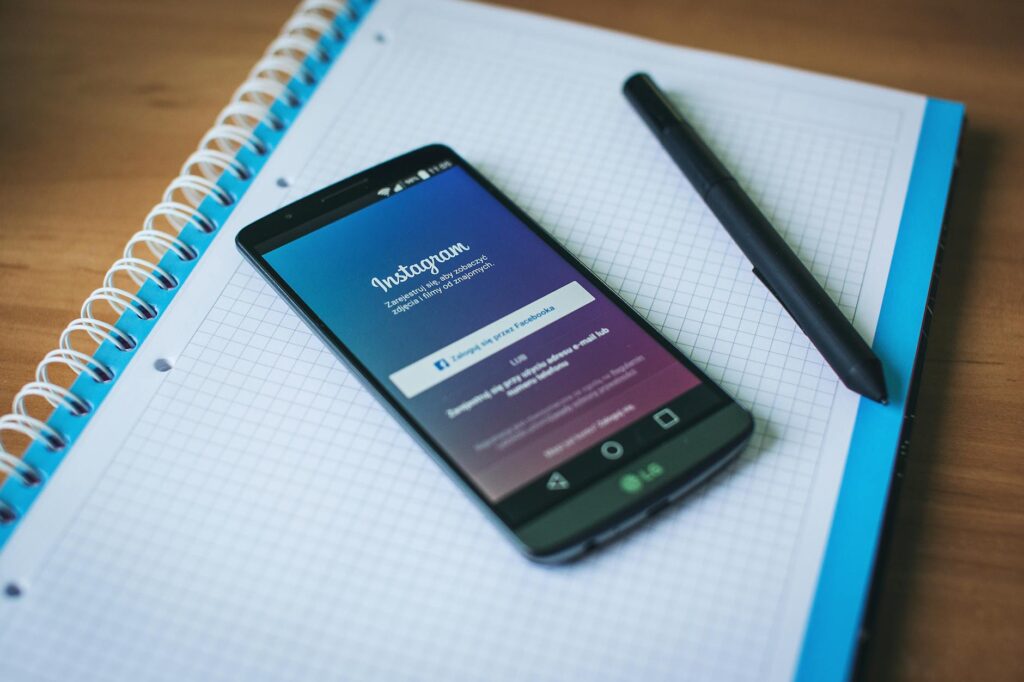
Many Instagram users have felt the urge to view a story or profile without leaving a digital footprint. This desire gave rise to the concept of “Stealthgram,” a general term for third-party applications, websites, and methods designed for anonymous Instagram viewing. These tools promise discretion, but often hide significant security and privacy risks that can compromise your account and personal data. (Source: help.instagram.com)
Last updated: April 30, 2026
Latest Update (April 2026)
As of April 2026, the digital landscape surrounding anonymous Instagram viewing continues to evolve. While the fundamental risks associated with third-party “Stealthgram” tools remain, new threats and evolving platform security measures by Meta Platforms, Inc. Necessitate a constant re-evaluation of these practices. Recent reports from cybersecurity firms indicate a rise in sophisticated phishing attempts disguised as anonymous viewers, aiming to harvest user credentials more effectively than ever before. Instagram’s own algorithms are becoming more adept at identifying and flagging accounts engaging in automated or suspicious viewing patterns, increasing the likelihood of account suspension for those who persist in using unauthorized services. Users seeking privacy are strongly advised to rely on official platform features or ethically developed solutions, as the penalties for violating Instagram’s Terms of Service are becoming more strictly enforced.
Meta Platforms, Inc. Has also intensified its efforts to combat malicious third-party applications. In early 2026, Instagram announced stricter API access controls, making it harder for unauthorized tools to scrape data or function reliably. According to a report by TechCrunch in March 2026, several popular anonymous viewing sites experienced significant disruptions due to these new API restrictions, highlighting the platform’s commitment to user safety and data integrity. This move by Meta underscores the inherent instability and increased risk associated with relying on such third-party services for viewing content anonymously.
What Does “Stealthgram” Actually Mean in 2026?
In 2026, “Stealthgram” is not an official Instagram feature or a single, sanctioned application. Instead, it functions as an informal umbrella term encompassing a variety of third-party tools, websites, browser extensions, and even manual techniques designed to facilitate anonymous viewing of Instagram content. These services generally fall into two primary categories: web-based viewers that access public profiles and stories, and more intrusive downloadable applications or scripts that often require users to input their Instagram login credentials to access private content. The core appeal is the promise of observing Instagram activity—be it posts, stories, or reels—without one’s username appearing in the viewer list, thereby maintaining a degree of anonymity. While the motivations for such anonymity can range from casual curiosity and competitor analysis to discreet market research, the methods employed by these “Stealthgram” services are frequently technically dubious and operate within a precarious gray area of Instagram’s platform rules and security protocols. A clear understanding of this distinction is really important for safeguarding one’s digital identity and account security.
How Do “Stealthgram” Tools Claim to Work?
The operational mechanisms of “Stealthgram” tools are varied, but they generally aim to create a buffer between the end-user and the Instagram platform. Web-based viewers designed for public profiles typically operate by employing server-side scripts or automated bots. These bots access Instagram’s servers, retrieve the requested public content, and then display it to the user through the third-party website. Because the request originates from the service’s server rather than the user’s direct device or authenticated account, the content creator often doesn’t see the user’s specific username in their view counts. This method is less risky than others but still subject to Instagram’s terms and can be detected.
Conversely, applications or services that claim to offer access to private profiles or require users to log in use a far more invasive approach. These tools typically request your Instagram username and password. Once provided, they often use your credentials to log into your account on your behalf, frequently routing the connection through proxy servers or utilizing your account’s API access tokens. This essentially grants the third-party developer unfettered access to your entire Instagram account, a significant security vulnerability that presents immediate and severe risks, as detailed in the following sections.
The #1 Mistake: Giving Your Instagram Login to Third-Party Apps
The single most critical error a user can make regarding anonymous Instagram viewing is entering their Instagram username and password into any non-official “Stealthgram” application, website, or browser extension. This action is akin to handing over the keys to your digital home. Doing so grants the developers of these third-party services direct, unfettered access to your account. According to Meta’s security guidelines, sharing login credentials with any external service is strictly prohibited and poses substantial risks.
Once malicious actors or even just careless developers have your login details, the potential ramifications are severe:
- Account Hijacking: They can change your password, locking you out of your account permanently and making recovery extremely difficult.
- Data Theft: Access to your private messages, contact list, personal information, and even financial data linked to your account can be stolen and exploited.
- Malicious Activity: Your account can be used to spread spam, scams, phishing links, or even promote illegal content, damaging your reputation and potentially implicating you in illicit activities.
- Identity Theft and Sale of Data: Your login credentials, along with any personal data harvested, can be sold on the dark web to other criminals for further exploitation, including identity theft.
Instagram, as part of Meta Platforms, Inc., invests heavily in account security. They explicitly warn users against sharing passwords. Ignoring this fundamental security principle is one of the most common ways users fall victim to account compromise. In 2026, the Federal Trade Commission (FTC) reported a significant increase in data breaches originating from compromised third-party applications, underscoring the widespread danger of entrusting your credentials to unverified services. Victims of such breaches often face lengthy recovery processes and significant personal distress.
Why Anonymous Viewing is Risky (Beyond Account Compromise)
Even if a “Stealthgram” tool doesn’t directly ask for your login credentials, using it can still expose you to significant risks. Many web-based anonymous viewers operate by scraping publicly available data. However, the methods they employ can still violate Instagram’s Terms of Service. Instagram’s algorithms are designed to detect and penalize automated or bot-like activity. Repeatedly accessing profiles or stories through such third-party services can trigger these detection mechanisms, leading to temporary or even permanent restrictions on your account.
and, the websites and applications offering anonymous viewing often display a barrage of advertisements, some of which may be malicious. These ads can lead to phishing sites, malware downloads, or other scams. Users might inadvertently click on a harmful ad while trying to view a story anonymously, leading to a different, yet equally damaging, security incident. Cybersecurity analysts have noted a trend where “free” anonymous viewer sites are increasingly used as vectors for malvertising campaigns, making the perceived anonymity a dangerous illusion.
Understanding Instagram’s Privacy Features in 2026
Instagram offers several built-in features that users can use for more control over their privacy without resorting to risky third-party tools. As of April 2026, these features include:
- Private Accounts: The most direct way to control who sees your content is by setting your account to private. Only approved followers can view your posts, stories, and reels. This is the most secure method for limiting viewership.
- Story Controls: Within your privacy settings, you can choose to hide your stories from specific individuals or groups of followers. Stealthgram allows for granular control over who sees your ephemeral content.
- Close Friends List: For stories, Instagram allows you to curate a “Close Friends” list. You can then share stories exclusively with this list, providing a more intimate sharing option without making your entire account private.
- Activity Status: You can control whether others see when you are active on Instagram. This setting can be found in your privacy settings and helps manage the perception of your online presence.
These official features provide a legitimate and secure way to manage your visibility on the platform. They are developed and maintained by Meta Platforms, Inc., ensuring they comply with the platform’s security standards and user agreements.
The Legal and Ethical Implications of “Stealthgram”
Using third-party tools to bypass Instagram’s intended viewing mechanisms can have legal and ethical consequences. While casual viewing of public profiles might seem harmless, using tools that violate Instagram’s Terms of Service can put your account at risk. More concerning are tools that access private accounts or scrape data without consent. This can infringe on the privacy expectations of users and content creators.
Instagram’s Terms of Service, which users agree to upon creating an account, explicitly prohibit scraping, unauthorized access, and the use of automated tools to interact with the platform. Violating these terms can lead to account suspension or permanent banning. And, depending on the jurisdiction and the nature of the data accessed, certain actions could potentially have legal ramifications, particularly if sensitive personal information is involved. As of April 2026, there’s ongoing discussion among legal experts regarding the enforceability of platform terms of service and the definition of data privacy in the context of social media, but the safest approach remains adherence to official platform rules.
Real-World Consequences: What Happens When “Stealthgram” Goes Wrong
Reports from cybersecurity forums and user support communities in 2026 frequently detail the negative outcomes of using unauthorized “Stealthgram” tools. Users who have shared their login credentials often describe scenarios where their accounts were flooded with spam, their personal messages were read or leaked, and their follower lists were manipulated. In some cases, accounts have been completely taken over, with attackers demanding a ransom to return control, a tactic that Meta Platforms, Inc. Actively works to prevent but which still occurs.
Beyond account compromise, users have also reported being victims of malware infections originating from the websites hosting these anonymous viewers. These infections can steal financial information, compromise other online accounts, or even hold personal files hostage for ransom. The Federal Trade Commission (FTC) has issued numerous warnings regarding such deceptive online practices. The perceived convenience of anonymous viewing rarely outweighs the severe, long-lasting damage that can result from these security failures. Independent security audits in early 2026 by organizations like the Cybersecurity and Infrastructure Security Agency (CISA) have consistently highlighted the vulnerability of users who rely on unvetted third-party applications for social media access.
Alternatives to “Stealthgram” for Privacy-Conscious Users
For users who prioritize privacy on Instagram, several legitimate and safe alternatives exist:
- Utilize Official Privacy Settings: As mentioned, setting your account to private, managing your follower list, and using the “Close Friends” feature for stories are the most effective ways to control who sees your content.
- Be Mindful of Public Content: Understand that anything posted on a public account is, by definition, public. If you are concerned about specific individuals seeing your public content, consider making your account private.
- Manual, Cautious Viewing: If you are viewing public profiles, simply visiting them directly through the official Instagram app or website is the safest method. Be aware that your username will appear in their viewer list for stories if you view them directly. For posts, there’s no viewer list.
- Focus on Content Creation Ethics: If your goal is market research or competitor analysis, focus on publicly available data and analytics provided by Instagram itself or reputable third-party marketing tools that use aggregated, anonymized data, rather than trying to view content anonymously.
These approaches respect Instagram’s platform rules and prioritize user security, offering peace of mind without the associated risks of third-party tools.
Frequently Asked Questions
Can I view Instagram stories anonymously without any third-party tools?
As of April 2026, there’s no foolproof method to view Instagram stories anonymously using only official Instagram features if you are logged into your account. If you view a story directly while logged in, your username will appear in the story’s viewer list. Some highly technical users attempt manual methods like using specific browser extensions that block requests or downloading story videos via complex workarounds, but these methods are often unreliable, may violate Instagram’s terms, and can carry their own risks. The safest approach for anonymity is not viewing the story at all or using a separate, unlinked, public account if the content is public, though this is not truly anonymous viewing of private content.
Are all anonymous Instagram viewers dangerous?
While some “Stealthgram” tools might appear less harmful because they only access public profiles and don’t require a login, they still carry risks. They can violate Instagram’s Terms of Service, leading to account flags or suspensions. And, the websites hosting these tools are often filled with aggressive advertising, potentially leading to malware or phishing scams. Tools that require login credentials are unequivocally dangerous and should be avoided entirely due to the high risk of account compromise and data theft.
What happens if Instagram detects I’m using a “Stealthgram” tool?
If Instagram’s algorithms detect that you are using unauthorized third-party tools, especially those that automate actions or access content in ways that violate their terms, your account could face several consequences. These can range from temporary restrictions, such as being unable to post or comment, to the suspension of your account. In severe or repeated cases of violation, Instagram may issue a permanent ban, meaning you would lose access to your account and its associated data forever. Meta Platforms, Inc. Actively monitors for such activities to maintain platform integrity and user security.
Are there any legitimate browser extensions for viewing Instagram anonymously?
As of April 2026, Instagram doesn’t officially endorse or support any third-party browser extensions for anonymous viewing. While some extensions claim to offer this functionality, they operate outside of Instagram’s official ecosystem. Their security and privacy practices are often unverified, and they may pose risks similar to other third-party tools, including data collection or malware. It’s always recommended to use extensions from trusted developers and to be extremely cautious about granting them access to your social media accounts.
How can I protect myself from scams related to anonymous Instagram viewing?
To protect yourself, always be skeptical of services promising anonymous Instagram viewing, especially if they ask for your login details. Rely only on official Instagram features for privacy. Enable two-factor authentication on your account. Be cautious of advertisements on third-party websites, as they can be a source of malware and phishing attempts. Regularly review your account’s security settings and connected apps within Instagram. If you suspect your account has been compromised, change your password immediately and contact Instagram support.
Conclusion
The allure of anonymous Instagram viewing through “Stealthgram” tools is understandable, but the risks associated with these services are substantial and, as of April 2026, continue to grow. From the severe threat of account hijacking and data theft when sharing login credentials to the less obvious but still significant dangers of malware and platform violations, the potential downsides far outweigh any perceived benefits. Instagram, under Meta Platforms, Inc., actively works to secure its platform and protect its users. Prioritizing official privacy features, exercising caution online, and understanding the inherent risks of third-party applications are the most effective strategies for maintaining account security and personal data integrity in 2026 and beyond.
Source: Britannica
Related Articles
- John Janssen Net Worth: Insights into His 2026 Financial Status
- Valerie Giuliani: Separating Myth from Reality in 2026
- Best Free AI Tools 2026: 12 Essential Apps That Solve Real Problems
Editorial Note: This article was researched and written by the Serlig editorial team. We fact-check our content and update it regularly. For questions or corrections, contact us.


