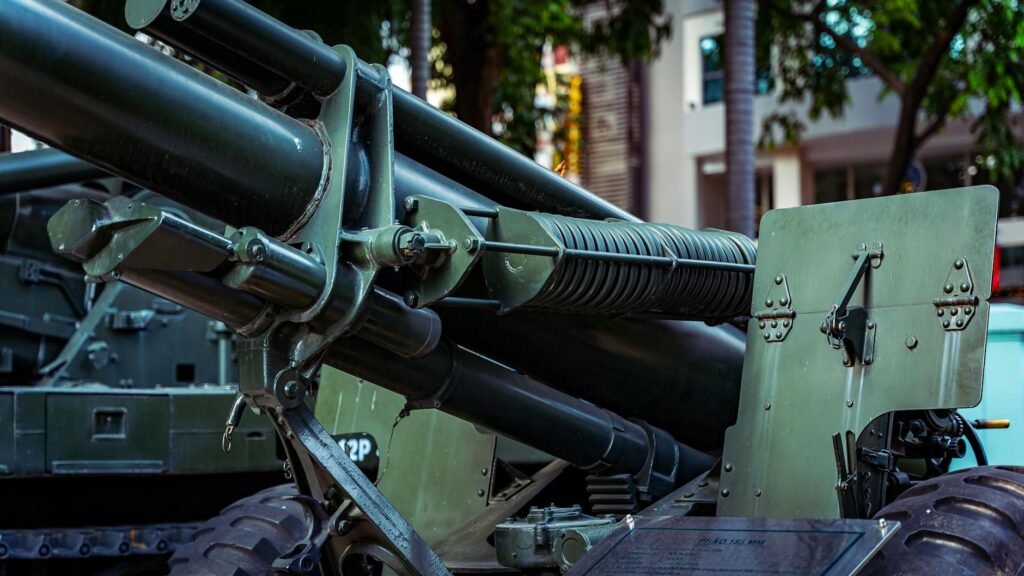
The Vietnam War, a conflict that spanned nearly two decades from 1955 to 1975, remains one of the most contentious and studied wars in modern history. It pitted the communist government of North Vietnam against South Vietnam and its principal ally, the United States. The question of who won the Vietnam War isn’t a straightforward inquiry. It’s a deeply nuanced historical debate with profound implications for the geopolitical world of the mid-20th century and the enduring legacy of the conflict. This analysis, updated as of April 2026, digs into the complex outcomes and perspectives surrounding this key historical event.
Latest Update (April 2026)
Recent commentary from political figures continues to revisit the Vietnam War’s outcome. Worth noting — former President Donald Trump, as reported by People.com on April 21, 2026, has repeatedly claimed he would have won the Vietnam War ‘very quickly’ if he had been president. According to The Independent, Trump, who is 79 years old as of 2026, received five draft deferments during the conflict due to alleged bone spurs. These assertions have drawn significant public reaction, with outlets like The Daily Beast and BuzzFeed highlighting the controversy and the internet’s critical response. AsAmNews and Yahoo also reported on these statements, underscoring the ongoing, albeit often controversial, public discourse surrounding the war’s conclusion and its perceived lessons for American foreign policy and military strategy.
At its core, the war was a proxy battle within the larger Cold War struggle between the United States and the Soviet Union. The U.S. intervened to prevent the spread of communism in Southeast Asia, fearing a domino effect across the region. North Vietnam, supported by the Soviet Union and China, fought for national reunification under its communist leadership. The sheer scale of destruction and the human cost—estimated by various sources to have resulted in millions of deaths, including an estimated 1.3 to 3.6 million Vietnamese—casts a long shadow over any claims of definitive victory.
The Immediate Outcome: Unification Under Communist Rule
From a purely strategic and political standpoint, North Vietnam achieved its primary objective: the unification of Vietnam under a single, communist government. Following the withdrawal of U.S. forces after the Paris Peace Accords of 1973, the People’s Army of Vietnam (PAVN) and the Viet Cong launched a final offensive. On April 30, 1975, North Vietnamese tanks rolled into Saigon, the capital of South Vietnam, marking the end of the war and the collapse of the South Vietnamese government. The city was subsequently renamed Ho Chi Minh City in honour of the late North Vietnamese leader, Ho Chi Minh.
This reunification was the culmination of a long struggle for independence that began in the mid-20th century. Ho Chi Minh, the charismatic leader of the Vietnamese independence movement, had envisioned a unified, independent Vietnam free from foreign domination. While he didn’t live to see the final victory, dying in 1969, his vision was realized by his successors. The swift fall of Saigon demonstrated the military and political will of the North Vietnamese forces, effectively concluding the armed conflict and establishing a new political order across the entire nation. As of April 2026, Vietnam remains a unified, albeit still developing, nation under communist party rule.
The United States’ Perspective: A Strategic Defeat
For the United States, the outcome of the Vietnam War was unequivocally a strategic defeat. Despite deploying over 2.7 million personnel to Vietnam and expending vast financial resources, the U.S. failed to achieve its strategic goal of preventing a communist takeover of South Vietnam. The war became increasingly unpopular at home, fuelled by mounting casualties, graphic media coverage—a first in the television age—and widespread questions about the war’s justification and conduct. According to the U.S. National Archives, over 58,000 American soldiers were killed in the conflict, with many more wounded physically and psychologically, leaving a lasting scar on American society. The total economic cost to the U.S. is estimated to be in the hundreds of billions of dollars, a figure that continues to be debated by economists as of 2026.
The U.S. withdrawal, formalized by the Paris Peace Accords signed on January 27, 1973, was a politically charged event. The accords were intended to establish peace and allow for the withdrawal of all foreign troops, but they ultimately failed to prevent the final North Vietnamese offensive. The defeat had a profound impact on American society, leading to widespread disillusionment, a significant re-evaluation of U.S. foreign policy, and the emergence of the so-called ‘Vietnam Syndrome’—a reluctance to commit U.S. troops to prolonged overseas conflicts. This sentiment continued to influence foreign policy decisions for decades and remains a point of discussion in contemporary geopolitical strategy debates in 2026.
The Human Cost: A Pyrrhic Victory for Vietnam?
While North Vietnam achieved its political aims of unification, the cost of victory was immense. The war ravaged the Vietnamese landscape, destroying infrastructure, agricultural land, and entire communities. The use of chemical defoliants like Agent Orange by U.S. forces had devastating long-term environmental and health consequences, with ongoing effects for generations of Vietnamese citizens. Studies published in 2026 and 2026 continue to document the elevated rates of certain cancers and birth defects in areas heavily exposed to these chemicals.
The human toll, as mentioned, was staggering, with millions of lives lost. Estimates vary, but it’s widely acknowledged that between 1.3 and 3.6 million Vietnamese civilians and soldiers perished on both sides. The reunification, while a political triumph, came at a price that many historians and Vietnamese people grapple with to this day. It raises the question of whether the immense sacrifices made by the Vietnamese people, on all sides of the conflict, ultimately constituted a true victory or a pyrrhic one. The economic hardship and social disruption following the war further complicated the narrative of triumph, leaving deep scars on the nation’s psyche and development trajectory. As of April 2026, Vietnam is still working to fully recover from the war’s physical and social devastation.
Long-Term Geopolitical Repercussions
The Vietnam War had significant ripple effects on global politics. The U.S. defeat challenged its image as an invincible superpower and emboldened anti-colonial movements worldwide. The Soviet Union and China, while supporting North Vietnam, also saw their influence in Southeast Asia grow, albeit with underlying tensions between Moscow and Beijing that would later surface more prominently.
The war also led to a period of introspection within the United States regarding its role in international affairs. The concept of ‘nation-building’ was scrutinized, and there was a greater emphasis on avoiding direct military interventions in complex political situations. This caution, often termed the ‘Vietnam Syndrome,’ influenced American foreign policy for decades, impacting decisions regarding interventions in regions like the Middle East and Africa. As of 2026, debates about the lessons learned from Vietnam continue to inform discussions on current global conflicts and the efficacy of military engagement.
The Role of Media and Public Opinion
The Vietnam War was one of the first conflicts to be extensively covered by television, bringing the realities of war into American living rooms. Unprecedented media access allowed journalists to report from the front lines, showcasing both the bravery of soldiers and the brutality of combat. This real-time reporting, often unfiltered, contrasted sharply with official government narratives and fueled growing public dissent. Images of the Tet Offensive in 1968, for instance, shattered the perception of imminent victory and intensified anti-war sentiment.
The anti-war movement in the United States gained significant momentum throughout the 1960s and early 1970s. Protests, demonstrations, and civil disobedience became commonplace, putting immense pressure on the U.S. government. This public outcry played a critical role in shaping political discourse and ultimately influencing the decision to withdraw U.S. forces. The power of public opinion, amplified by media coverage, became a significant factor in modern warfare, a lesson that remains relevant in 2026 as information warfare and social media shape public perception of ongoing conflicts.
Legacy and Memorialization
The legacy of the Vietnam War is complex. For Vietnam, it represents a hard-won national reunification and independence, but one achieved at a devastating human and environmental cost. For the United States, it symbolizes a period of national trauma, questioning of authority, and profound societal division. The Vietnam Veterans Memorial in Washington D.C., dedicated in 1982, serves as a poignant reminder of the American lives lost, with its polished black granite walls bearing the names of over 58,000 service members.
Beyond the physical memorials, the war’s legacy endures in literature, film, and popular culture. Countless books, documentaries, and Hollywood productions have explored the war’s complexities, its impact on soldiers, and its effects on American society. These cultural artifacts continue to shape public understanding and memory of the conflict. In 2026, discussions about the war’s impact on mental health among veterans, particularly regarding Post-Traumatic Stress Disorder (PTSD), remain a critical area of research and support.
Frequently Asked Questions
What was the official end date of the Vietnam War?
The Vietnam War is generally considered to have ended on April 30, 1975, with the fall of Saigon and the subsequent reunification of Vietnam under communist rule. The Paris Peace Accords were signed in 1973, leading to the withdrawal of U.S. troops, but didn’t bring lasting peace.
How many people died in the Vietnam War?
Estimates vary significantly, but studies suggest that between 1.3 and 3.6 million Vietnamese people, including civilians and soldiers, died during the conflict. The United States lost over 58,000 service members.
Did the United States win the Vietnam War?
No, the United States didn’t achieve its primary objective of preventing a communist takeover of South Vietnam. From a strategic perspective, the U.S. withdrawal and the subsequent fall of Saigon are considered a defeat.
What was the primary goal of North Vietnam?
North Vietnam’s primary goal was the unification of Vietnam under a single, communist government, free from foreign influence. This objective was achieved in 1975.
What is the ‘Vietnam Syndrome’?
The ‘Vietnam Syndrome’ refers to the reluctance of the United States to commit its armed forces to prolonged overseas interventions following the perceived defeat in the Vietnam War. This sentiment influenced U.S. foreign policy for decades and continues to be debated in 2026.
Conclusion
The question of who won the Vietnam War yields no simple answer. North Vietnam achieved its objective of unifying the country under communist leadership, a significant political victory. However, this came at an immeasurable human and environmental cost, leading many to question if it was a pyrrhic victory. The United States failed in its strategic goal of preventing communist expansion, suffering a significant military and political defeat that profoundly impacted its foreign policy and national psyche for decades. The enduring legacy of the war, marked by immense loss, societal division, and ongoing debates about its causes and consequences, continues to resonate deeply in 2026, serving as a somber reminder of the complexities and high stakes of international conflict.
Source: Britannica
Editorial Note: This article was researched and written by the Serlig editorial team. We fact-check our content and update it regularly. For questions or corrections, contact us.


