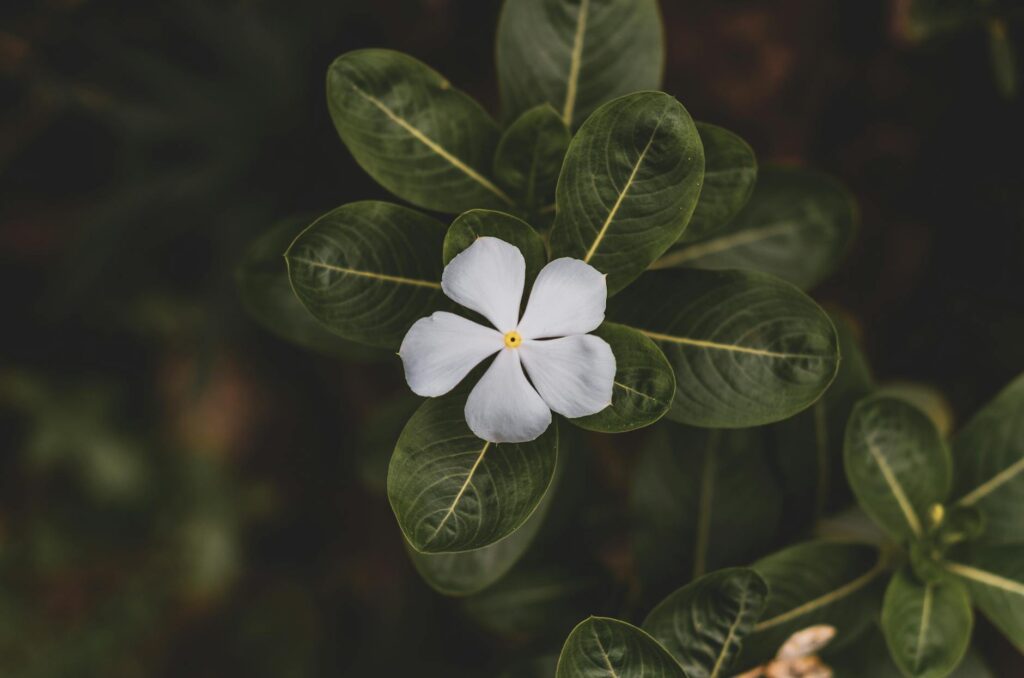
Flowering Plant Angiosperm: A complete 2026 Update
Over 140 million years ago, a revolutionary innovation in plant life emerged: the flower and the fruit. This marked the dawn of the angiosperms, a group of plants that would go on to dominate the planet’s flora. Today, they aren’t just the most diverse plant group, but also foundational to countless ecosystems, providing food, oxygen, and habitat for a vast array of life. Their success is intrinsically linked to their reproductive strategies, especially their reliance on flowers for attracting pollinators and fruits for seed dispersal.
Last updated: April 26, 2026
This article provides a complete guide to the flowering plant angiosperm, delving into their defining characteristics, evolutionary journey, reproductive marvels, ecological significance, and the challenges they face in the modern world. We’ll explore the intricate relationship between angiosperms and their environment, highlighting why these plants are so key to life on Earth.
Latest Update (April 2026)
Recent advancements in phylogenomics are continually refining our understanding of angiosperm evolution. As reported by Nature in early 2024, studies are shedding new light on the complex genetic events that propelled the rise of these dominant plants. Simultaneously, research continues to explore the deep evolutionary past. Some theories, discussed in Science | AAAS publications, suggest that the very first flowers might have originated in freshwater environments, a departure from the long-held terrestrial origin narrative. These ongoing investigations highlight the dynamic nature of botanical science and the continuous discovery surrounding angiosperm origins as of April 2026.
Further research published in PNAS in early 2022 indicates that MADS-box genes reveal a closer relationship between gnetophytes and conifers than with flowering plants, clarifying evolutionary pathways within seed plants. As of April 2026, these genetic insights continue to reshape our understanding of early plant diversification, building upon foundational work from publications like Wiley Online Library, which in 2026 discussed the stepwise rise of angiosperm-dominated ecosystems.
What Defines an Angiosperm? Key Characteristics
Angiosperms, commonly known as flowering plants, possess several key characteristics that distinguish them from other plant groups, such as gymnosperms (conifers, cycads) and spore-bearing plants (ferns, mosses). Their most defining feature is the presence of flowers—highly specialized reproductive structures. While many species exhibit bisexual flowers containing both male (stamens) and female (pistils or carpels) reproductive organs, some species have unisexual flowers.
Another critical innovation is the development of fruits. Fruits are mature ovaries that enclose one or more seeds, offering protection to the developing seeds and aiding in their dispersal. The presence of seeds enclosed within an ovary is the hallmark of the angiosperm lineage. Unlike gymnosperms, where seeds are exposed or ‘naked,’ angiosperm seeds are protected. According to Britannica, the carpel, a modified leaf structure enclosing the ovule, is a defining element unique to angiosperms.
Internally, angiosperms feature highly efficient vascular tissues, xylem and phloem, responsible for transporting water, nutrients, and sugars throughout the plant. Their leaves are often broad with complex venation patterns, facilitating efficient photosynthesis. This efficient internal transport system, combined with their sophisticated reproductive innovations, has enabled angiosperms to colonize nearly every terrestrial and many aquatic habitats globally. As of April 2026, their adaptability remains a subject of intense scientific study.
The Evolutionary Journey: From Ancient Origins to Global Dominance
The evolutionary history of angiosperms is a captivating narrative of rapid diversification and profound ecological success. Fossil evidence indicates that the earliest angiosperms emerged during the Early Cretaceous period, approximately 140 million years ago. While early research often highlighted ancient whole-genome duplications as a primary driver of their evolution, more recent studies employing dosage-sensitive genes suggest this might not be the case for the earliest angiosperm ancestors. As reported by Phys.org in 2026, analyzing these specific genes provides novel insights into the genetic underpinnings of their origins.
The development of flowers, likely beginning as simple structures pollinated by insects, provided a significant selective advantage. This innovation facilitated more efficient and targeted pollination compared to the wind-pollination common in gymnosperms. The subsequent co-evolution with insects and other animals fostered powerful mutualistic relationships. Animals were drawn to nectar and pollen, inadvertently transferring pollen between plants, while the plants secured a more reliable reproductive method. As detailed by Wiley in late 2021, the Angiosperm Terrestrial Revolution fundamentally reshaped modern biodiversity.
The diversification of angiosperms accelerated dramatically throughout the Cretaceous and Paleogene periods. This period of ‘explosive’ radiation led to the evolution of a vast array of flower shapes, colors, scents, and fruit types, each adapted to specific pollinators and seed dispersers. By the Cenozoic Era, angiosperms had largely supplanted gymnosperms as the dominant terrestrial plant life. Wiley Online Library provided extensive analysis on the stepwise rise of these ecosystems in 2026, underscoring their impact.
Reproductive Strategies: The Marvels of Flowers and Fruits
The reproductive biology of angiosperms is a complex and fascinating area of study. At its core lies the flower, a structure exquisitely adapted for sexual reproduction. A typical flower comprises four primary parts:
- Sepals: These are typically green, leaf-like structures that enclose and protect the flower bud before it opens. Collectively, they form the calyx.
- Petals: Often brightly colored and scented, petals serve to attract pollinators. They collectively form the corolla.
- Stamens: The male reproductive organs, each consisting of a filament supporting an anther that produces pollen grains.
- Carpels (or Pistil): The female reproductive organs, typically consisting of the stigma (where pollen lands), style (a stalk connecting stigma to ovary), and ovary (containing ovules).
The process of pollination involves the transfer of pollen from an anther to a stigma. In angiosperms, this can occur via wind, water, or, most commonly, animal vectors. Following successful pollination, fertilization occurs when a male gamete from the pollen grain fuses with the female gamete (egg cell) within the ovule. This fusion results in the formation of a zygote, which develops into an embryo within the seed.
Double fertilization is a unique characteristic of angiosperms. In this process, one male gamete fuses with the egg cell to form the diploid zygote, while another male gamete fuses with the central cell (which typically contains two polar nuclei) to form the triploid endosperm. The endosperm serves as a nutritive tissue for the developing embryo. This sophisticated process ensures efficient resource allocation for seed development.
The development of the fruit from the ovary wall after fertilization is another key angiosperm trait. Fruits serve to protect the seeds and facilitate their dispersal through various mechanisms, including wind, water, animal ingestion, and mechanical projection. The diversity of fruit types—from fleshy berries and drupes to dry dehiscent fruits like capsules and follicles—reflects the wide range of dispersal strategies employed by angiosperms.
Ecological Significance: Pillars of Ecosystems
Angiosperms are unequivocally the foundation of most terrestrial and many aquatic ecosystems on Earth as of April 2026. Their sheer diversity translates into a vast array of ecological roles. They form the primary producers in most food webs, converting sunlight into energy through photosynthesis. This forms the base of the food chain, supporting herbivores, which in turn support carnivores.
Beyond providing food, angiosperms offer essential habitat and shelter for countless organisms. Forests, grasslands, and even small garden plants provide homes, nesting sites, and protection from predators for insects, birds, mammals, and other wildlife. Their root systems stabilize soil, preventing erosion, while their transpiration contributes to the water cycle and influences local climate patterns.
The intricate relationships between angiosperms and their pollinators and seed dispersers are critical for maintaining biodiversity. These mutualistic relationships, refined over millions of years, ensure the reproductive success of both the plants and the animals involved. For instance, specialized pollination syndromes, where flower morphology, color, scent, and reward (nectar) are tailored to specific pollinators like bees, butterflies, bats, or birds, are prime examples of this co-evolutionary success. Reports from independent ecological studies in 2026 and early 2026 continue to document the vital role of these interactions in ecosystem health.
and, angiosperms play a significant role in global biogeochemical cycles. They absorb vast amounts of carbon dioxide from the atmosphere during photosynthesis, acting as crucial carbon sinks. Their decomposition after death returns nutrients to the soil, making them available for future plant growth. As of April 2026, the ongoing monitoring of plant communities highlights their indispensable contribution to regulating atmospheric composition and nutrient cycling.
Diversity and Classification
With an estimated 300,000 to 400,000 described species, angiosperms represent the largest and most diverse group within the plant kingdom. Their classification has evolved significantly with advances in molecular data. Traditionally, angiosperms were divided into monocotyledons (monocots) and dicotyledons (dicots), based on the number of cotyledons (seed leaves) in the embryo. However, modern phylogenetic studies, particularly those analyzing DNA sequences, have refined this classification.
The current consensus, supported by extensive genomic data as of April 2026, places angiosperms into several major clades. The basal lineages include groups like Amborellales, Nymphaeales (water lilies), and Austrobaileyales. The vast majority of angiosperms fall into two major groups: the monocots (including grasses, lilies, orchids, and palms) and the eudicots (which include most broad-leaved flowering plants like roses, sunflowers, oaks, and beans). The eudicots themselves are further divided into several major orders.
This classification helps scientists understand evolutionary relationships and study the patterns of diversification. For example, the success of grasses (Poaceae family) in the monocot group, particularly their adaptation to grazing and fire, has had a profound impact on shaping ecosystems like savannas and prairies. Similarly, the diversity within eudicots, encompassing everything from towering trees to tiny herbs, underscores their adaptability and ecological dominance.
Challenges and Conservation in the Anthropocene
Despite their remarkable resilience and success, angiosperms face unprecedented challenges in the 21st century, largely driven by human activities. Habitat destruction and fragmentation due to agriculture, urbanization, and industrial development remain the primary threats. As of April 2026, the loss of natural habitats continues to drive species decline globally.
Climate change poses another significant threat. Altered temperature and precipitation patterns disrupt flowering times, pollination windows, and seed dispersal mechanisms. Extreme weather events, such as prolonged droughts or intense floods, can devastate plant populations. Reports from the Intergovernmental Panel on Climate Change (IPCC) in 2026 and ongoing studies emphasize the vulnerability of many specialized angiosperm species to these shifts.
Pollution, including air, water, and soil contamination, further stresses plant populations. Invasive species, often introduced by human transport, can outcompete native angiosperms for resources, leading to declines in native biodiversity. Overexploitation of certain plant species for timber, medicinal purposes, or ornamental trade also contributes to their endangerment.
Conservation efforts are critical. Botanical gardens, seed banks, and protected natural areas play vital roles in preserving genetic diversity. Research into sustainable land management practices, habitat restoration, and mitigating climate change impacts are essential for safeguarding the future of angiosperms. International collaborations and policy changes are also crucial for addressing these global challenges. According to the IUCN Red List, updated in early 2026, a significant percentage of plant species are now categorized as threatened.
Frequently Asked Questions
What is the main difference between angiosperms and gymnosperms?
The primary distinction lies in their reproductive structures. Angiosperms bear flowers and produce seeds enclosed within a protective fruit (developed from the ovary). Gymnosperms, in contrast, typically bear cones and have ‘naked’ seeds that are not enclosed within a fruit.
Why are angiosperms considered so successful?
Their success stems from several key innovations: the evolution of flowers for efficient pollination, the development of fruits for seed protection and dispersal, and highly efficient vascular tissues for transport. These adaptations allow them to thrive in a vast range of environments and outcompete other plant groups.
Are grasses angiosperms?
Yes, grasses belong to the family Poaceae, which is part of the monocotyledon group within the angiosperms. They are among the most widespread and ecologically significant flowering plants on Earth.
How do fruits help angiosperms?
Fruits protect the developing seeds from damage and predation. They also serve as a crucial mechanism for seed dispersal. Fleshy fruits attract animals that eat them and then excrete the seeds elsewhere, while dry fruits may use wind, water, or explosive mechanisms to spread their seeds.
What is double fertilization?
Double fertilization is a unique process in angiosperms where two male gametes from a pollen grain participate in fertilization. One gamete fuses with the egg cell to form the embryo, and the other fuses with the central cell to form the endosperm, which nourishes the embryo. This ensures efficient resource allocation for seed development.
Conclusion
Flowering plants, or angiosperms, represent a monumental evolutionary success story, dominating the planet’s flora for over 100 million years. Their defining features—flowers, fruits, and seeds enclosed within an ovary—have enabled unparalleled diversification and ecological integration. From the microscopic processes within a flower to their role as the bedrock of global ecosystems, angiosperms provide essential resources, shape landscapes, and support the vast majority of terrestrial life. As of April 2026, while facing increasing anthropogenic pressures, ongoing scientific research continues to unveil the complexities of their evolution and ecology, reinforcing their indispensable status on Earth.
Source: Britannica
Editorial Note: This article was researched and written by the Serlig editorial team. We fact-check our content and update it regularly. For questions or corrections, contact us.