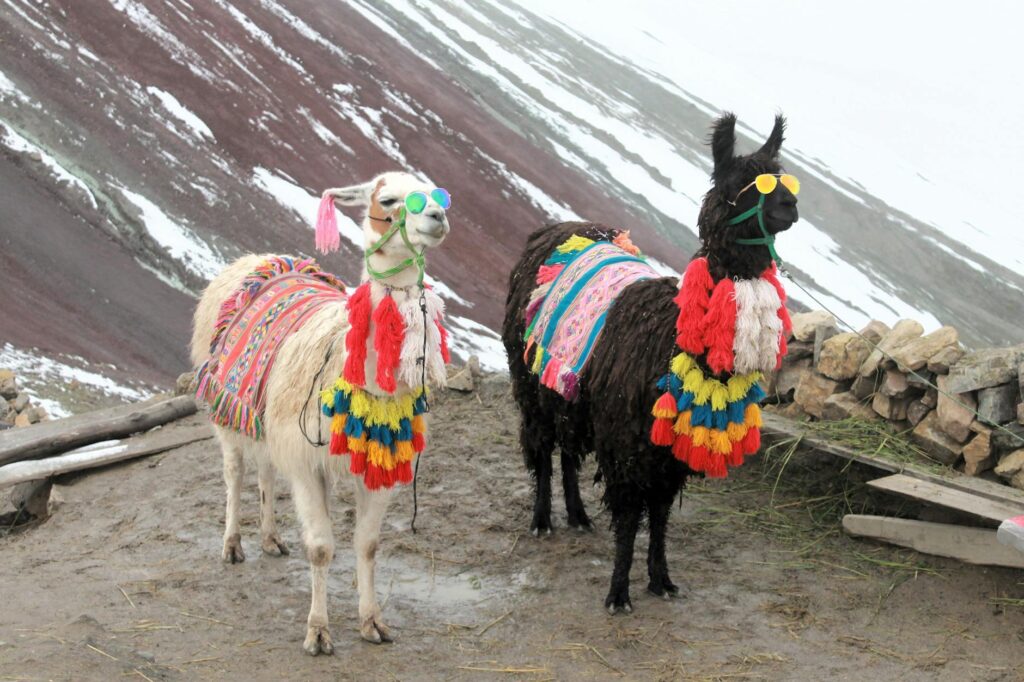
This guide covers everything about llama vs alpaca. Imagine standing in the crisp, thin air of the Andean highlands. Before you, a creature with a long neck and soft eyes regards you calmly. Is it a llama or an alpaca? This common scene, replicated in farms and sanctuaries worldwide, highlights a frequent point of confusion. While both are treasured South American camelids, closely related and often found in similar environments, they’re distinct species with unique histories, physical attributes, and temperaments. Nuanced differences between the llama vs alpaca is key for anyone interested in these fascinating animals, whether for agricultural purposes, companionship, or simply appreciating biodiversity.
Latest Update (April 2026)
As of April 2026, the demand for both llama and alpaca fiber continues to grow in the sustainable fashion industry. Alpaca fleece remains a premium material, with prices for high-quality fiber ranging from $5 to $20 per pound, depending on grade and color, according to recent industry reports. Llama fiber, while less common, is gaining traction for its durability and unique texture, particularly in artisanal textiles. And, advancements in camelid genetics and breeding practices are leading to healthier, more productive animals. According to the Camelid Breeders Association’s 2026 outlook, there’s a notable increase in interest for these animals as companion animals and for therapeutic programs, driven by their gentle dispositions.
The fundamental distinction lies in their domestication purpose and resulting physical and behavioral traits. Llamas were historically bred as pack animals, prized for their strength and resilience, while alpacas were selectively developed for their luxurious fleece. This core difference informs nearly every aspect of their appearance and disposition, a distinction that remains relevant in agricultural and companion animal contexts in 2026.
A Tale of Two Species: Origins and Domestication
Both llamas and alpacas trace their lineage back to wild ancestors in the Andean region of South America. Their domestication stories are intertwined with the ancient cultures of this area, especially the Incas and their predecessors. According to archaeological evidence, both species have been domesticated for thousands of years, with ongoing research continually refining our understanding of their ancient roles.
The llama (Lama glama) is believed to be descended from the wild guanaco (Lama guanicoe), a larger, more solid camelid. Guanacos are known for their adaptability and ability to thrive in harsh environments. Llamas were selectively bred by ancient Andean peoples to be sturdy beasts of burden, capable of carrying heavy loads over treacherous mountain terrain. They were integral to the Inca economy and transportation system, facilitating trade and communication across vast distances. Their role as pack animals is well-documented, with historical accounts describing caravans of llamas traversing the Andes, a practice that continues in modified forms today for tourism and cultural heritage.
The alpaca (Vicugna pacos), conversely, is thought to be descended from the wild vicuña (Vicugna vicugna). Vicuñas are smaller, more delicate camelids, renowned for producing an exceptionally fine and soft wool. Ancient breeders focused on enhancing this fleece quality, developing alpacas into specialized fiber-producing animals. The alpaca’s fleece was highly prized, used to create warm, lightweight textiles for royalty and nobility. While they could carry small loads, their primary value was always in their fleece. This historical focus on fiber quality is a major reason why alpaca fleece remains a sought-after material in the global textile industry in 2026.
This divergent evolutionary path – one selected for strength and utility, the other for fiber fineness – is the root cause of most observable differences between the two species today. The U.S. Department of Agriculture’s Animal and Plant Health Inspection Service (APHIS) provides guidelines for importing camelids, underscoring their status as regulated livestock with distinct breed considerations, as highlighted in their updated import regulations from February 2026.
Physical Differences: Size, Ears, and Faces
When comparing a llama vs alpaca side-by-side, several physical distinctions immediately become apparent. These visual cues are the most reliable way for the untrained eye to differentiate between them, even in unfamiliar settings.
Size and Build
Llamas are significantly larger than alpacas. An adult llama typically stands between 5.5 to 6 feet tall at the head and weighs between 250 to 450 pounds. They possess a more solid, muscular build, reflecting their history as pack animals. Their legs are longer and sturdier, designed for carrying substantial weight over long distances.
Alpacas, conversely, are smaller and more compact. They usually stand around 3 feet tall at the shoulder (approximately 4.5 to 5 feet at the head) and weigh between 100 to 175 pounds. Their bodies are more rounded, and they appear more woolly due to their dense fleece, giving them a softer silhouette.
Ears
The shape of their ears is a classic distinguishing feature. Llamas possess long, distinctly banana-shaped ears that curve inward. These ears are quite expressive and can swivel independently to indicate mood or attention, often a first clue for observers.
Alpacas have shorter, spear-shaped ears that are more pointed and stand erect. They don’t exhibit the pronounced curve seen in llama ears, appearing more upright and less mobile.
Facial Structure
The faces of llamas and alpacas also differ noticeably. Llamas have a longer face with a more pronounced snout. Their faces are typically less woolly, allowing their facial features to be more visible and giving them a more angular appearance.
Alpacas have a shorter, blunter face, often described as ‘smushed’ or ‘baby-faced.’ Their faces are usually covered in dense wool, contributing to their softer, cuter appearance. This woolly face, combined with their smaller stature, enhances their perceived gentle and approachable nature.
Fiber Types and Quality
While both species produce fiber, the types and qualities are distinct and highly valued for different applications in 2026.
Alpaca Fiber
Alpaca fiber is renowned globally for its exceptional softness, fineness, and warmth. It’s hypoallergenic because it lacks lanolin, the greasy substance commonly found in sheep’s wool, making it ideal for sensitive skin. Alpaca fiber comes in over 22 natural colors, ranging from white and beige to various shades of brown, grey, and black. The two main breeds of alpaca produce slightly different fleece:
- Huacaya: This is the most common type, accounting for about 90% of the alpaca population. Huacaya fleece grows perpendicular to the body, resulting in a crimpy, dense fleece that gives the animal a fluffy, teddy-bear-like appearance. It’s known for its elasticity and resilience.
- Suri: Suri alpacas have fleece that grows in long, silky locks that hang close to the body, resembling dreadlocks. This fiber is lustrous, has a beautiful drape, and is often used for high-end apparel and accessories where sheen and drape are desired.
According to recent market analyses from the International Alpaca Association (IAA) in early 2026, the global market for alpaca fiber is projected to grow by 5% annually, driven by increasing consumer preference for natural, sustainable, and luxurious textiles. Prices for prime alpaca fleece can range significantly, with superfine grades (under 18 microns) commanding premium prices, sometimes exceeding $20 per pound for raw fleece, while coarser grades are more affordable.
Llama Fiber
Llama fiber is coarser and more variable than alpaca fiber. It consists of two distinct types of hair: a coarse guard hair and a finer undercoat. The undercoat is soft and can be used for various textile applications, while the guard hair is typically removed during processing. Llama fiber is known for its strength, warmth, and water-repellent properties. It also comes in a wide array of natural colors, similar to alpaca.
While not as fine as the best alpaca fleece, llama fiber offers unique characteristics. It’s often favored for durable items like outerwear, blankets, and rugs. Recent trends reported by the Llama Fiber Cooperative in 2026 indicate a growing interest in llama fiber for its rustic appeal and durability, particularly among artisans and designers seeking unique, sustainable materials. Its processing requires more attention to separate the guard hairs from the softer undercoat, which can influence its cost and availability compared to alpaca fiber.
Temperament and Behavior
The differences in their historical roles have shaped the personalities and typical behaviors of llamas and alpacas.
Llamas
Llamas are known for their calm, confident, and independent nature. As herd animals, they are social but also possess a strong sense of self-reliance, a trait honed by their ancestral role as guardians and pack animals. They are curious and intelligent, often used in therapy programs and as companion animals for other livestock due to their protective instincts. Llamas can be trained to lead and are sometimes used for trekking or packing in recreational settings.
They are generally gentle but can be more assertive than alpacas. When threatened or annoyed, llamas may spit, although this is usually directed at other llamas rather than humans. They are also known for their vocalizations, including a distinctive humming sound.
Alpacas
Alpacas are more timid, gentle, and herd-oriented than llamas. They thrive in the company of other alpacas and can become stressed if kept alone or with animals they perceive as threats. Their primary defense mechanism is to flee rather than confront. They are known for their soft humming sounds and are generally quieter than llamas.
Alpacas are less likely to spit at humans, though they will spit at each other, especially during feeding or when establishing social hierarchies. Their docile nature makes them popular as pets and for petting zoos, though their sensitive disposition means they require a calm environment.
Care and Management
While both species share some basic care requirements as camelids, there are nuances based on their differing needs.
Diet
Both llamas and alpacas are herbivores with efficient digestive systems. Their primary diet consists of grass and hay. They are browsers and grazers, meaning they consume a variety of vegetation. In pasture settings, good quality forage is essential. Supplemental feeding with high-quality hay (like grass hay or alfalfa) is often necessary, especially during winter months or when forage is scarce. Camelid-specific mineral supplements are also recommended to ensure they receive adequate nutrients, as their needs differ from those of sheep or cattle. According to veterinary guidelines updated in 2026 by the American Camelid Association, ensuring a balanced diet low in excessive protein and rich in fiber is key to preventing common health issues like internal parasites and weight problems.
Housing and Shelter
Both species need protection from extreme weather conditions. Simple three-sided shelters that provide shade from the sun and protection from wind and rain are generally sufficient. They require clean, dry living areas and access to fresh water at all times. Pasture rotation is important to prevent overgrazing and help manage parasite loads.
Health Considerations
Common health issues for both llamas and alpacas include internal parasites, dental problems, and issues related to diet. Regular deworming, dental checks (especially for alpacas whose teeth can overgrow), and fecal egg counts are crucial components of preventative care. Llamas, being larger, may be more prone to joint issues if overweight. Alpacas, with their dense fleece, can be susceptible to heat stress in warm climates and require shearing at least once a year. Annual veterinary check-ups are recommended for both species to monitor overall health and address any emerging concerns.
Shearing
Alpacas are shorn annually, typically in the spring, to harvest their valuable fleece and prevent overheating during warmer months. The shearing process is a significant event for alpaca farmers, as the quality and yield of the fleece directly impact their income. Llama fiber is typically harvested through combing or skirting the fleece, rather than full shearing, as their fiber is not as uniformly fine as alpaca fleece. However, some llamas raised primarily for fiber may be shorn more like alpacas.
Uses and Applications in 2026
The distinct characteristics of llamas and alpacas lead to different primary uses in modern agriculture and beyond.
Llamas
- Pack Animals: Still used for carrying loads in rugged terrain, popular for recreational trekking and historical reenactments.
- Guard Animals: Their protective nature makes them excellent guardians for sheep, goats, and other livestock, deterring predators like coyotes and foxes. Studies by livestock associations in 2026 indicated a significant reduction in predation losses when llamas are present.
- Fiber Production: While not as prized as alpaca fiber, llama wool is used for durable textiles.
- Companionship and Therapy: Their calm demeanor and curiosity make them suitable for therapeutic programs and as gentle companions.
Alpacas
- Fiber Production: This remains their primary purpose. Alpaca fleece is highly sought after for luxury garments, including sweaters, scarves, socks, and blankets.
- Show Animals: Many breeders focus on producing animals with superior fleece quality and conformation for showing.
- Pets and Companions: Their gentle, quiet nature makes them appealing pets for hobby farms and individuals seeking calm, manageable livestock.
- Therapeutic Animals: Their soft nature can be beneficial in animal-assisted therapy settings.
Frequently Asked Questions
What is the most significant difference between a llama and an alpaca?
The most significant difference lies in their primary historical purpose: llamas were bred as pack animals for strength and endurance, while alpacas were bred for their fine fleece. This distinction dictates their size, build, ear shape, and fiber characteristics.
Can llamas and alpacas interbreed?
Yes, llamas and alpacas can interbreed and produce fertile offspring, often called ‘huarizos’ or ‘mistis’. These crosses typically exhibit traits from both parents, often resulting in fiber quality intermediate between alpaca and llama.
Which animal is better for beginners: llama or alpaca?
Alpacas are generally considered more suitable for beginners due to their smaller size and more docile, herd-oriented nature. However, both require proper management, knowledge, and commitment. Llamas, while more independent, can also be managed successfully by attentive owners.
Do llamas or alpacas spit more?
Llamas are more prone to spitting, especially at each other, as a form of communication or defense. While they can spit at humans if provoked or feeling threatened, it’s less common than their spitting at other llamas. Alpacas are much less likely to spit at humans, reserving this behavior primarily for interactions within their own species.
Is llama or alpaca fiber more expensive?
Generally, high-quality alpaca fiber is more expensive than llama fiber due to its superior fineness, softness, and consistency. Superfine alpaca fleece can command prices significantly higher than even the best llama undercoat. However, premium llama fiber, particularly from animals bred for fiber, can still be valuable.
Conclusion
Understanding the key differences between llamas and alpacas is essential for anyone considering owning, working with, or simply appreciating these remarkable South American camelids. From their distinct origins as pack animals versus fiber producers to their varying physical traits like size and ear shape, and their differing temperaments, each species offers unique qualities. As of April 2026, both llamas and alpacas continue to be valued for their contributions to agriculture, fashion, and companionship, with ongoing research and evolving market demands shaping their roles in the modern world. Whether you’re drawn to the sturdy utility of the llama or the luxurious fleece of the alpaca, recognizing these distinctions ensures a deeper appreciation for these fascinating creatures.
Source: Britannica
Editorial Note: This article was researched and written by the Serlig editorial team. We fact-check our content and update it regularly. For questions or corrections, contact us.


